




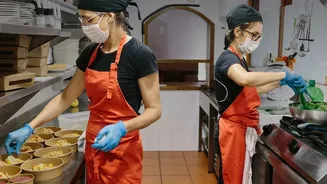
Batch cooking is a lifesaver for busy working couples, turning a hectic week into a series of delicious, home-cooked meals. But to reap the benefits, it's crucial to master the basics of food safety to prevent foodborne illness.
The Foundation: A Clean Start
Before you even start chopping,
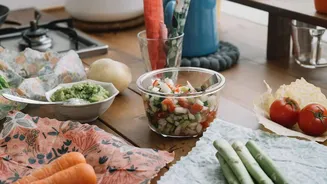
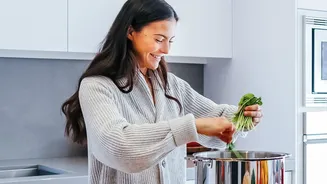
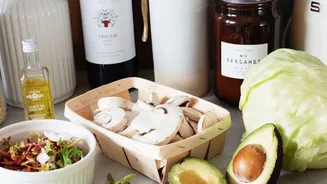
ensure your kitchen is a safe zone. The first rule of food safety is cleanliness. Wash your hands thoroughly with soap and warm water for at least 20 seconds before and after handling food, especially raw meat, poultry, or seafood. Keep raw and cooked foods separate to avoid cross-contamination. Use different cutting boards and knives for raw proteins and vegetables. A simple system, like using a specific colour board for meats, can make this easy. Always store raw meat in sealed containers on the bottom shelf of the fridge to prevent juices from dripping onto other foods.
The Danger Zone: A Core Concept
The most critical concept in food safety is the 'Temperature Danger Zone'. This is the temperature range between 4°C and 60°C, where bacteria can multiply rapidly, sometimes doubling in as little as 20 minutes. The primary goal of batch cooking safely is to minimise the time your food spends in this zone. Never leave perishable food out at room temperature for more than two hours. If the room is particularly warm (above 32°C), this window shrinks to just one hour.
The Critical Cooldown
One of the most common mistakes is leaving a large pot of hot food on the counter to cool. This keeps the food in the danger zone for too long. To cool foods rapidly and safely, you must get them from hot (above 60°C) to below 21°C within two hours, and then down to 4°C or colder within the next four hours. The best method is to divide large batches of dal, curry, or rice into smaller, shallow containers. This increases the surface area and allows heat to escape much faster. You can also place the containers in an ice bath and stir periodically to speed up the process.
Smart Storage: Fridge and Freezer Rules
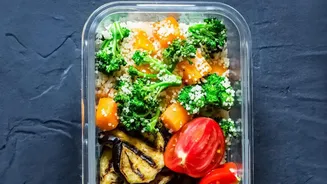
Once cooled, it's time to store. Use airtight, clean containers; glass is a great option as it doesn't stain or retain odours. For meals you plan to eat within the next few days, the refrigerator is your go-to. Most cooked dishes, like dals and gravies, can be safely stored in the fridge for 3 to 4 days. For anything you won't eat within that window, the freezer is your best friend. Freezing meals on the day they are cooked preserves their quality and safety. Most batch_cooked meals will maintain good quality for 2 to 4 months in the freezer. Always label your containers with the dish name and the date it was cooked to keep things organised.
The Final Step: Reheating Safely
When it's time to enjoy your prepped meals, reheating properly is the final safety check. Whether you're using a stovetop or a microwave, the goal is to bring the food to a safe internal temperature of at least $74°C or $165°F throughout. For soups, sauces, and gravies, bringing them to a rolling boil is a good visual cue. If using a microwave, cover the food to retain moisture and ensure it heats evenly, stirring partway through. And remember, a reheated leftover should only be reheated once.