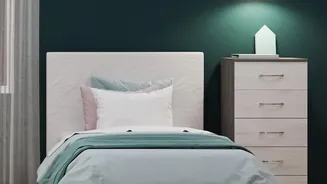





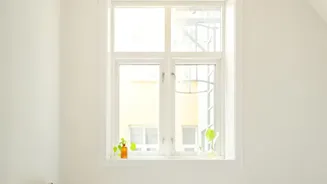


Living in a compact urban home doesn't mean compromising on comfort or style. The secret lies in smart choices. By selecting furniture that serves multiple purposes and rethinking your bedroom layout, you can create a space that feels spacious and serene.
Plan Before You Purchase
Before you get enchanted by a sleek sofa-bed or a compact desk, take out the measuring tape. Understanding the exact dimensions of your bedroom is the first step to reclaiming your space. Note the location of doors, windows, and electrical outlets. Decide what functions your bedroom must serve. Is it just for sleeping, or does it also need to be your home office, a reading nook, or a dressing area? Answering this will clarify what you truly need. A clear plan prevents impulse buys that look great in a showroom but end up swallowing your room whole. It’s about fitting your life into the space, not just fitting furniture.
Furniture That Works Overtime
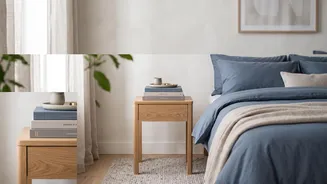
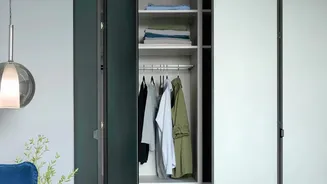
In a small home, every piece of furniture should earn its keep. Multifunctional furniture is your greatest ally in this endeavour. Think of a bed with built-in drawers or a hydraulic lift mechanism that reveals a large storage compartment underneath. This is invaluable for stowing away seasonal clothing, luggage, or extra bedding, items that typically clutter up wardrobes. Similarly, a storage ottoman can act as a footrest, extra seating, and a hidden home for magazines or electronics. For those who work from home, a wall-mounted foldable desk offers a dedicated workspace that disappears when the workday is over, instantly returning the room to a state of rest.
The Art of Going Vertical
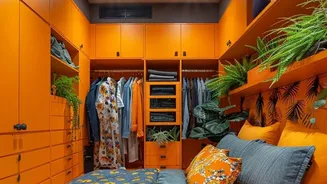
When you can't build outwards, build upwards. Using your room's vertical space is a classic trick that designers swear by. Instead of a wide, low bookshelf, opt for a tall, narrow one that draws the eye upward and provides ample storage without eating into your precious floor area. Wall-mounted floating shelves are perfect for displaying books and decor without adding visual bulk. This strategy keeps the floor clear, which is crucial for making a room feel more open and less claustrophobic. Consider a loft bed if your ceiling height allows; the space underneath can be used for a desk or a small seating area, effectively doubling the utility of a single footprint.
Strategic Bed Placement
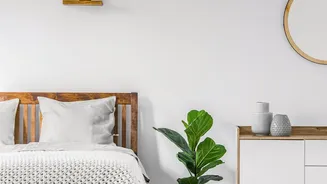
The bed is the largest piece of furniture in your bedroom, so its placement dictates the entire room's flow. A common and effective strategy is to place the bed against the center of the longest, uninterrupted wall. This often creates a sense of symmetry and allows for clear pathways on either side, making the room feel balanced and orderly. If your room is particularly narrow, you might consider placing the bed lengthwise against a wall to open up one side for movement and other furniture. Try to avoid placing the bed directly under a window, as it can limit headboard choices and create drafts. The goal is to anchor the room without overwhelming it.
Creating Illusions of Space
Beyond the physical arrangement, you can use visual tricks to make your bedroom feel larger. Mirrors are a powerful tool; placing a large mirror opposite a window will bounce natural light around the room, creating an illusion of depth. Light colours on the walls and for your main furniture pieces also help. Soft whites, pale greys, and muted pastels reflect more light than dark shades, making the space feel airy and open. Layer your lighting with a mix of overhead fixtures, bedside lamps, or wall sconces to eliminate dark corners and add warmth. Simple, clean lines in your furniture and minimal clutter on surfaces will also contribute to a streamlined, spacious feel.