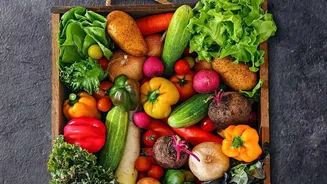






The Monsoon Challenge for Vegetables
The rainy season creates a perfect breeding ground for bacteria, fungi, and pests. High humidity accelerates spoilage, while waterlogged fields can lead to contamination. Vegetables that are perfectly healthy in other seasons may require extra scrutiny
during these months. Issues like rot, mould, insect infestations, and general wilting become far more common. This doesn't mean you should stop eating fresh vegetables, but it does mean you need to be a more discerning shopper. Knowing what to look for is the first step towards ensuring your food is both fresh and safe.
Leafy Greens: Inspect with Care
Spinach (palak), fenugreek (methi), and coriander are particularly vulnerable during the monsoon. Their layered leaves can easily trap mud, moisture, and tiny insects, making them difficult to clean thoroughly. When buying, avoid any bunches that look wilted, slimy, or have yellowing leaves. Check the base of the stems for any signs of rot. The leaves should be crisp and have a vibrant, uniform colour. It’s best to buy leafy greens in smaller quantities and consume them quickly. Even after purchase, experts recommend sorting the leaves, washing them meticulously under running water, and cooking them well rather than consuming them raw.
Cruciferous Vegetables: Check for Worms
Cauliflower and cabbage are notorious for harbouring worms, especially during the rains. The tightly packed florets of cauliflower and the dense layers of cabbage provide an ideal hiding spot for pests. When selecting a cauliflower, look for one that is creamy white, compact, and feels heavy for its size. Check the gaps between the florets for any dark spots or tiny worms. For cabbage, the outer leaves should be crisp and fresh. A heavy head is a good sign. It's often wiser to buy these vegetables cut in half so you can inspect the internal layers before purchasing. Avoid any with visible holes or discolouration.
Root Vegetables: Avoid Softness and Sprouts
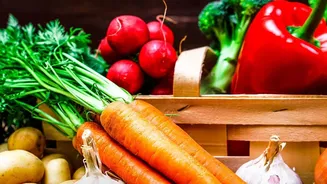
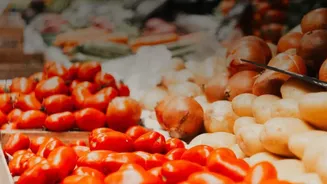
Potatoes, onions, and garlic are staples, but they are prone to sprouting and rotting in humid weather. When buying potatoes, ensure they are firm, smooth, and free from soft spots, green patches, or sprouts. Sprouted potatoes are old and should be avoided. For onions, look for ones with dry, papery outer skin and a firm feel. Any that feel soft or have dark, powdery patches (a sign of mould) should be left behind. Store these vegetables in a cool, dry, and dark place with good air circulation, not in the refrigerator, to prevent them from spoiling quickly.
Fruiting Vegetables: Look for Firmness
Vegetables like tomatoes, brinjal (eggplant), and capsicum can spoil quickly in the damp monsoon air. For tomatoes, select ones that are firm to the touch and have smooth, unblemished skin. Avoid any with soft spots, cracks, or a wrinkled appearance, as these are signs of decay. Brinjal should be smooth, glossy, and feel light for its size; a heavy brinjal might be overly seedy or starting to rot. Capsicums should be firm with shiny skin. Any softness or wrinkling near the stem indicates they are past their prime.
General Rules for Monsoon Shopping
Beyond specific vegetable checks, a few general rules can help. Always avoid produce that appears wilted, unusually wet, or has any visible mould. Don’t be tempted by pre-cut vegetables, as the exposed surfaces combined with high humidity can lead to rapid bacterial growth. It’s also wise to shop for vegetables more frequently and in smaller batches rather than stocking up for the week. This ensures you are always cooking with the freshest possible ingredients. Finally, trust your senses—if a vegetable smells off or feels slimy, it’s best to avoid it.