


The End of All-or-Nothing Eating
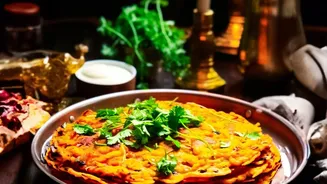
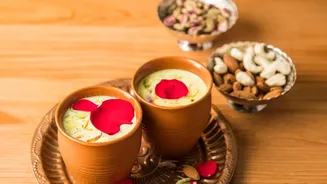
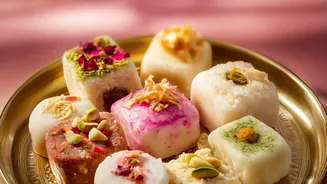
For years, the narrative around festive food has been one of extremes. You either indulged without restraint, accepting the inevitable post-celebration regret, or you practised strict avoidance, politely declining every ladoo and samosa offered. This
all-or-nothing mindset often creates a frustrating cycle. Many people believe that to eat healthily during festivals, they must avoid their favourite foods completely. However, this strict restriction can backfire, leading to increased cravings and feelings of deprivation. The psychological pressure of avoiding foods that are deeply tied to culture and celebration can be immense, making it difficult to maintain a positive relationship with food. As a result, more people are realising that this black-and-white approach doesn't work. Instead, a more balanced and sustainable mindset is taking hold—one that prioritises moderation over complete prohibition.
The Psychology of Mindful Indulgence
The shift towards moderation is supported by a better understanding of our own psychology. Extreme dieting and food restriction often lead to a pattern of guilt and rebound bingeing. When you label foods as "good" or "bad," you create feelings of guilt around the so-called bad ones. This can lead to a sense of failure and loss of control when you inevitably eat them. In contrast, mindful eating encourages you to savour your food without judgment. By allowing yourself to enjoy a small portion of your favourite festive treat, you satisfy the craving without feeling deprived. This prevents the psychological scarcity mindset that can trigger overeating. It's about balance, not control. This approach fosters a healthier, long-term relationship with food where you can participate in traditions guilt-free.
Practical Tips for a Balanced Festive Plate
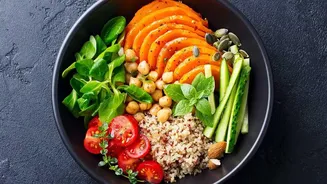
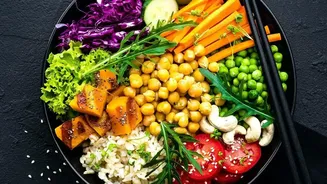
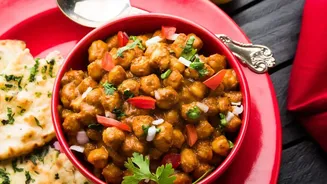
Embracing moderation doesn't have to be complicated. A few practical strategies can help you navigate festive gatherings with confidence. One effective tip is to never arrive at a party starving. Skipping meals to "save calories" often leads to overeating later. Having a small, protein-rich snack before you go can help you make more mindful choices. When you're at the event, be selective. Choose one or two of your absolute favourite sweets or snacks and enjoy them slowly, rather than trying to sample everything. Portion control is key; savouring a smaller serving can be just as satisfying. It also helps to balance your plate. Fill up on fibre and protein-rich foods like salads, dal, and paneer before you move on to the richer treats. And don't forget to stay hydrated, as thirst is often mistaken for hunger.
Healthier Swaps That Don't Sacrifice Flavour
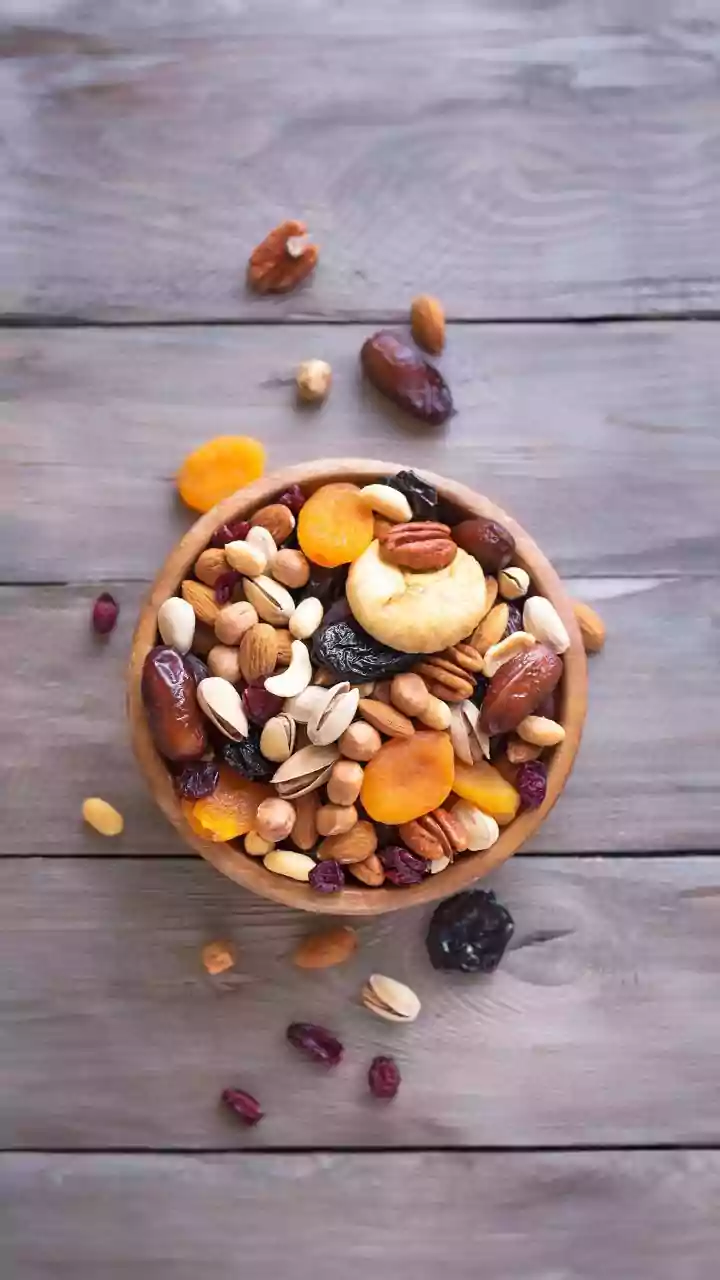
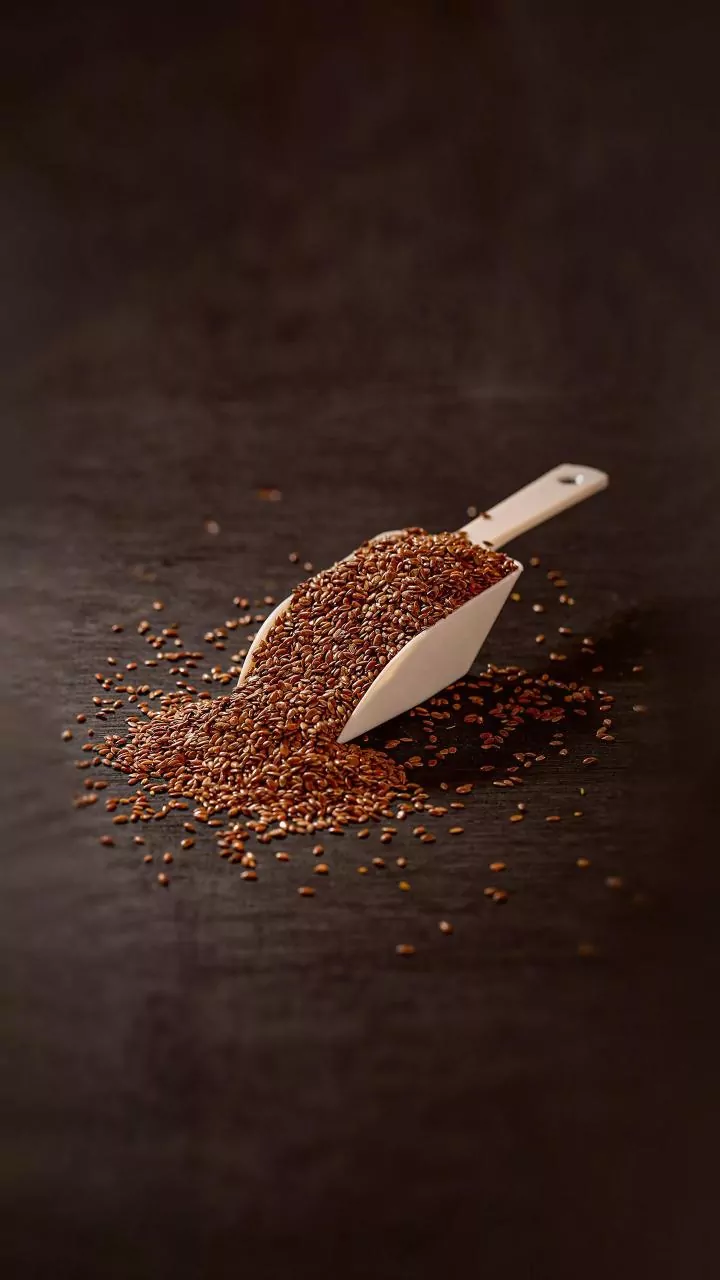
Another aspect of this evolving approach is making smarter choices in the kitchen. Many traditional festive recipes can be made healthier with a few simple ingredient swaps. Instead of refined sugar, consider using natural sweeteners like jaggery, dates, or honey, which have a lower glycemic index and offer more nutrients. You can also replace refined white flour (maida) with whole grains like ragi, whole wheat, or millet flour to increase the fibre content of ladoos and other sweets. Even the cooking method can make a difference. Opting to bake or air-fry snacks like samosas and gujiyas instead of deep-frying them can significantly reduce the calorie and unhealthy fat content. Homemade sweets are often a better choice than store-bought varieties, as you can control the amount of sugar and fat used.