


Essentials for Prasad Preparation
The prasad, or blessed offering, is central to Janmashtami puja. Many preparations are milk-based, reflecting Krishna's love for dairy. While the grand 'Chappan Bhog' involves 56 items, a few key dishes made with devotion are just as significant. Your
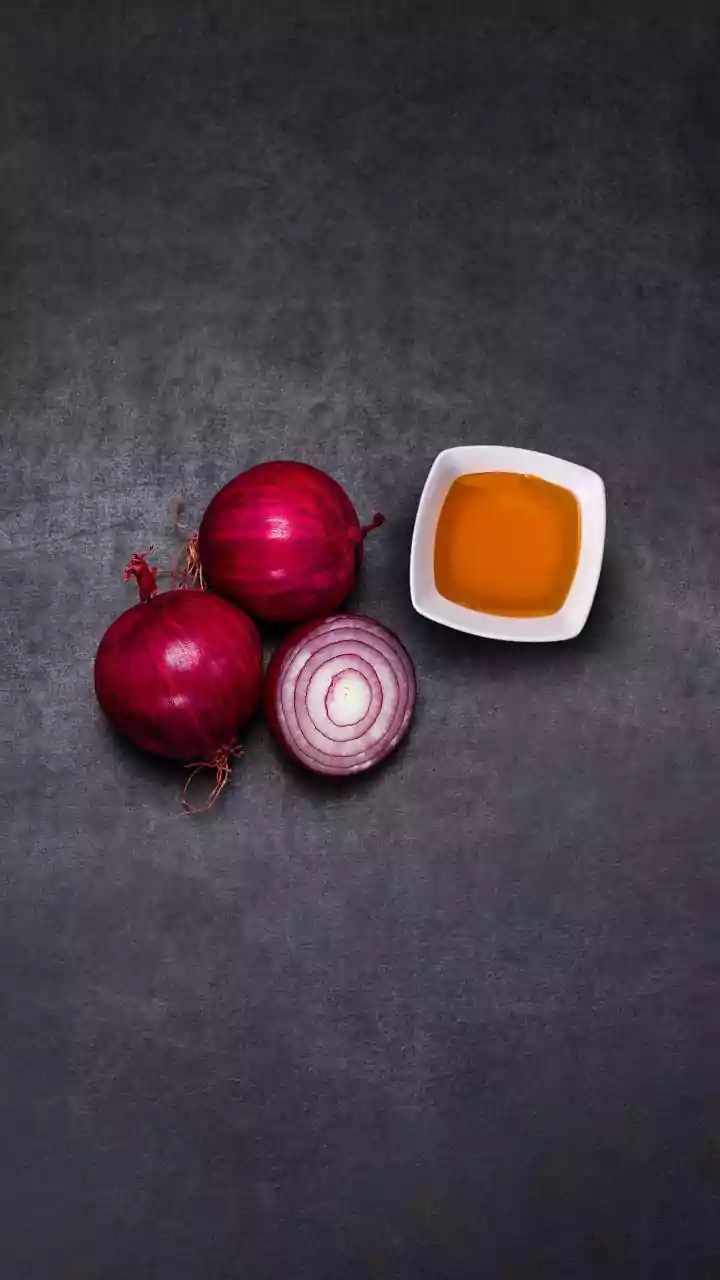
shopping list should start with pure and sattvic ingredients, meaning no onions or garlic. Key items include full-cream milk, ghee, yogurt (curd), honey, and sugar or mishri (rock sugar). These form the base of Panchamrit, a sacred five-ingredient nectar. For other sweets, stock up on makhana (fox nuts), coriander powder, assorted nuts like almonds and cashews, and desiccated coconut.
Classic Prasad Dishes to Offer
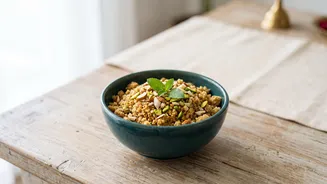
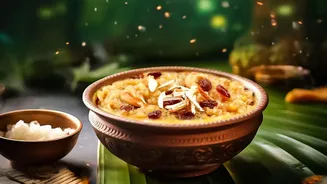
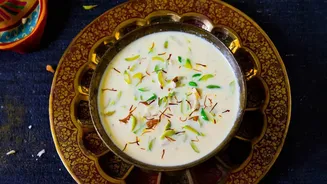
With your ingredients ready, you can prepare timeless offerings. Makhan Mishri, a simple blend of fresh white butter and rock sugar, is considered Krishna's favorite and is one of the easiest to prepare. Dhaniya Panjiri is another quintessential Janmashtami prasad, made by roasting coriander powder in ghee with nuts and sugar. It is often used to break the fast after midnight prayers. You can also make Makhana Paag, a crispy sweet made by frying fox nuts in ghee and coating them in sugar syrup, or a simple Kheer made with milk, sugar, and rice or makhana. These sweets are not just offerings but are shared among family and friends, spreading the festive cheer.
Understanding the Janmashtami Fast
Many devotees observe a fast (vrat or upvas) on Janmashtami, abstaining from food until the midnight celebration of Krishna's birth. The nature of the fast varies; some observe a strict 'Nirjala' fast without water, while many follow a 'Phalahar' fast, consuming fruits, milk, and specific non-grain foods. The core principle is to avoid regular grains like wheat and rice, lentils, and common salt. Instead, meals are prepared using a specific list of ingredients that are considered pure and suitable for fasting. This practice is believed to cleanse the body and mind, helping one focus on prayers and devotion.
Your Shopping List for Fasting Dishes
To prepare wholesome fasting meals, you'll need a different set of pantry staples. For flours, stock up on kuttu ka atta (buckwheat flour), singhare ka atta (water chestnut flour), and rajgira ka atta (amaranth flour). These are used to make puris, parathas, and halwa. Sabudana (tapioca pearls) and samak chawal (barnyard millet) are excellent grain substitutes for making khichdi, kheer, and vadas. For vegetables, potatoes, sweet potatoes, raw banana, and pumpkin are commonly used. The only salt permitted is sendha namak (rock salt). Don't forget dairy like paneer and yogurt, and peanuts for adding crunch and protein to your dishes.
Simple and Satisfying Vrat Recipes
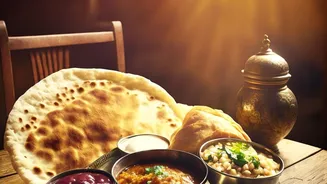
Fasting doesn't have to mean bland food. Sabudana Khichdi is a popular and filling one-pot meal made with tapioca pearls, boiled potatoes, roasted peanuts, and seasoned with rock salt and green chillies. Another classic is Kuttu ki Puri served with a simple Vrat ke Aloo sabzi, a tomato-based potato curry made without onion or garlic. For a snack, you can make crispy Sabudana Vada or Farali Pattice, which are fried patties of potato and fasting flours. For a sweet treat, a simple Singhare ka Halwa or Makhane ki Kheer provides a comforting and festive end to your fasting meal.