






The Fuel Factor: More Than Just the Price Per Litre
Fuel is the most obvious expense, but it’s also the one most likely to be underestimated. The cost of petrol and diesel varies not just from state to state due to local taxes, but also between cities. On July 24, 2026, for instance, petrol in Delhi was
priced at ₹102.12 per litre, while in Mumbai it was ₹111.21. This difference adds up significantly over a multi-day journey. A smart plan involves more than just a rough budget. First, calculate your car's average mileage and map out your approximate distance to get a baseline fuel cost. Add a 15-20% buffer for detours, city driving, and unexpected idling in traffic. It's also wise to avoid letting your tank run close to empty, especially when travelling through remote areas where petrol stations can be few and far between. A well-thought-out fuel strategy prevents both financial surprises and the stress of searching for a pump on a deserted highway.
Taming the Tolls: The Power of FASTag
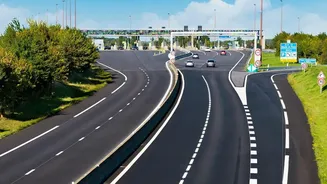
Indian highways are increasingly seamless thanks to FASTag, an electronic toll collection system that is mandatory for four-wheeled vehicles. This system uses a rechargeable RFID sticker on your windscreen to automatically deduct toll charges as you pass through designated lanes, eliminating the need for cash transactions. While convenient, these costs can accumulate rapidly on a long drive. Before you even start your engine, use an online toll calculator. These tools allow you to enter your start and end points, along with your vehicle type, to get a detailed estimate of all the toll plazas and charges on your route. This not only helps you budget accurately but also ensures your linked FASTag wallet has sufficient balance, preventing delays and potential fines at the toll booth. Many systems also offer discounts for a return journey within 24 hours, another factor that a calculator can help clarify.
Driver Rest: The Most Critical Pit Stop
This is the most overlooked, yet most critical, element of road trip planning. Driver fatigue is a silent threat that dramatically slows reaction times and impairs judgment, with research showing that being awake for 18 hours can have a similar effect to mild alcohol intoxication. Planning for rest isn't a sign of weakness; it's a mark of a responsible driver. For commercial drivers, rest periods and driving hour limits are becoming more strictly enforced to prevent accidents. This principle should be adopted by all. A good rule of thumb is to take a break every two hours, even if it's just to get out, stretch, and have some water. For long, multi-day trips, pre-booking night halts is essential. Driving through the night disrupts your body's natural sleep cycle, making you more susceptible to 'highway hypnosis' and dangerous micro-sleeps. Instead of viewing stops as delays, build them into your itinerary. A planned overnight stay or a long lunch at a famous dhaba turns a safety necessity into a memorable part of the adventure.
Building a Smarter, Safer Itinerary
Integrating these three elements moves your plan from a simple route map to a robust travel strategy. Start by mapping your daily driving distance, aiming for a realistic number of hours behind the wheel—many experienced drivers suggest no more than 10-12 hours on the road in a day. Once you have your daily start and end points, use online tools to calculate the estimated fuel and toll costs for each leg. This gives you a clear daily expenditure to track. Next, identify potential rest stops along the way. These could be major towns for an overnight stay or designated rest areas for a quick 20-minute power nap. Share the driving if you have a co-passenger who can, and agree to switch every couple of hours regardless of who feels tired. Constant vigilance is required on Indian roads due to unpredictable traffic and road conditions, which contributes heavily to mental fatigue. A plan that accounts for this reality is a plan that is built for success.