




The Soul of a Classic Plate
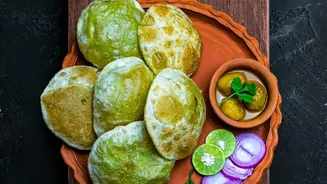
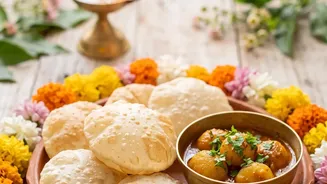
Puri sabzi is more than just a meal; it's an experience. The combination of deep-fried, puffed bread with a savoury, spiced potato curry is a staple across India, enjoyed for breakfast, lunch, or dinner. The beauty of the dish lies in its balance: the rich,
crispy puri against the soft, yielding potatoes, all enveloped in a symphony of spices. The foundation is robust and satisfying, built on common Indian spices like turmeric, cumin, and mustard seeds. It is this hearty base that creates the perfect canvas for fresher, more volatile aromatics.
The Brightness of Fresh Coriander
Fresh coriander, also known as dhaniya, is one of the most important finishing herbs in the Indian kitchen. Its role goes far beyond adding a pleasant green colour. The leaves possess a bright, citrusy, and slightly peppery flavour that provides a crucial counterpoint to rich, cooked-down gravies. When sprinkled over warm puri sabzi just before serving, chopped coriander releases its fresh oils, lifting the entire dish. This burst of freshness cuts through the heaviness of the fried puri and the earthy potatoes, preventing the flavours from feeling monotonous and adding a clean finish to every bite.
The Pungent Warmth of Ginger
Ginger, or adrak, is a cornerstone of Indian cooking, valued for both its pungent flavour and its health properties. While often used in paste form at the beginning of the cooking process to build a flavour base, adding fresh ginger towards the end offers a different kind of magic. Finely chopped or julienned fresh ginger introduces a sharp, zesty, and warming spice that complements the other flavours without overpowering them. This pungent kick adds an exciting new layer of complexity. In Ayurvedic tradition, ginger is also known to aid digestion, making it a functional as well as flavourful addition to a rich meal.
The Magic of Synergy
While wonderful on their own, coriander and ginger create a special synergy when used together. Their flavour profiles are remarkably compatible, with studies showing they share a significant number of flavour molecules. The fresh, citrusy notes of coriander beautifully balance the spicy warmth of ginger. Think of it as a culinary duet: the ginger provides the deep, resonant notes while the coriander adds the high, bright melody. This combination ensures the final dish is not just a sum of its parts, but a well-rounded, dynamic, and multi-layered flavour experience. It transforms a simple, comforting meal into something truly memorable.
How to Use for Best Results
To get the most out of these two ingredients, timing and preparation are key. Both fresh coriander and ginger should be added at the very end of cooking, or even as a garnish after the sabzi has been plated. Cooking them for too long will destroy their delicate, fresh aromas. For the coriander, a rough chop is perfect for releasing its essential oils. For the ginger, you have two great options: mincing it finely will distribute its flavour more evenly throughout the dish, while cutting it into thin juliennes (matchsticks) provides small, intense bursts of spicy warmth. For an even more integrated flavour, some recipes incorporate coriander and a little ginger paste directly into the puri dough itself. Whichever method you choose, always opt for fresh over dried for that irreplaceable vibrant kick.