


The Green Giant's Comeback
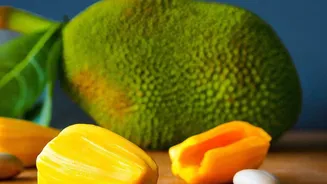
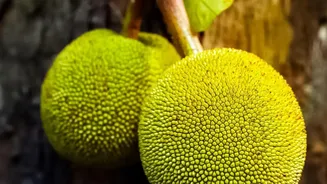
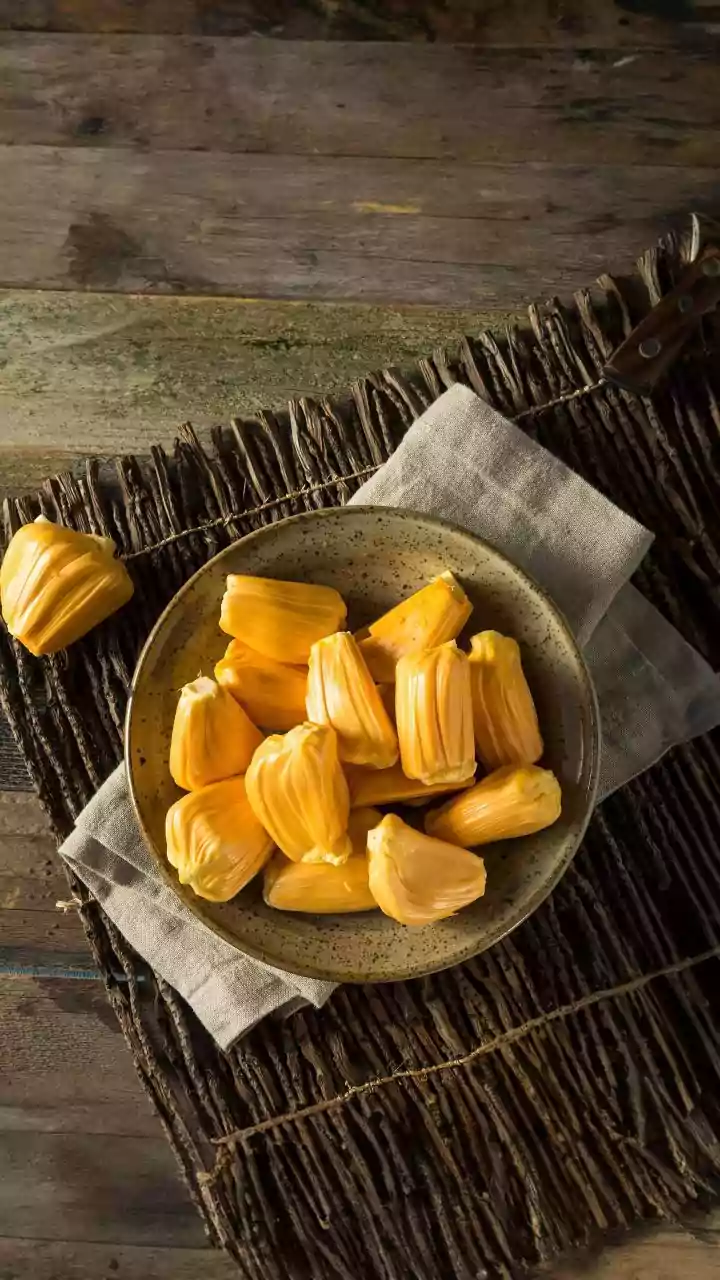
For generations, the jackfruit, or 'chakka' as it's known in Malayalam, was a symbol of sustenance in Kerala, thriving in backyards with minimal care. It was a dependable, affordable food source that could be transformed into countless dishes. However,
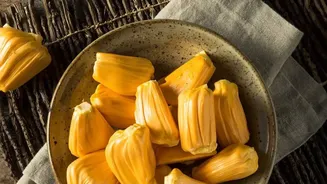
with urbanisation, this colossal, spiky fruit became something of a nuisance. Its large size, the sticky sap released when cutting it, and the sheer effort required for preparation made it less appealing to city dwellers with busy lives and smaller kitchens. For a time, it seemed destined to be left behind, a relic of a slower, more rural past. But now, a significant shift is underway. Across cities like Kochi and Thiruvananthapuram, the jackfruit is being celebrated once again, not just for its versatility, but for its deep cultural roots.
A Craving for Nostalgia
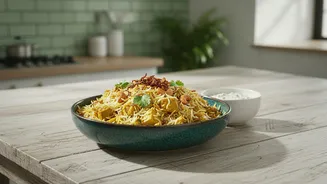
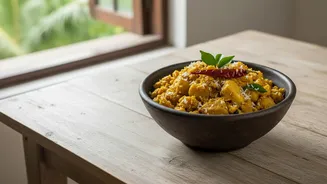
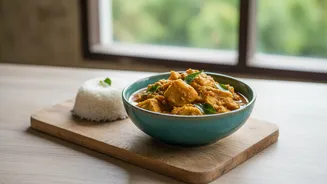
A major driving force behind this revival is a powerful sense of nostalgia. For many urban Malayalis, the aroma of a simmering jackfruit curry evokes vivid memories of childhood summers and grandmother's kitchens. Dishes like 'chakka puzhukku'—a hearty mash of raw jackfruit, coconut, and spices, often paired with a fiery fish curry—are more than just food; they are an emotional connection to family and heritage. In a fast-paced world, the act of preparing and sharing these traditional foods has become a way to slow down and reconnect with one's roots. This sentiment has been amplified by social media, where home chefs and food bloggers share recipes and photos, inspiring others to rediscover these forgotten flavours.
The Modern Health Halo
Beyond nostalgia, the jackfruit's comeback is perfectly aligned with modern wellness trends. Praised as a 'superfood', it is rich in fibre, vitamins C and B6, potassium, and antioxidants. Raw jackfruit has a low glycemic index, making it a healthy alternative to rice and wheat, which is particularly appealing given the rising concerns about lifestyle diseases like diabetes. Its fibrous, meaty texture has also made it a popular plant-based substitute for meat, celebrated globally in vegan communities. This combination of health benefits and its organic-by-default nature—jackfruit trees are famously pest-resistant and require little intervention—makes it an ideal ingredient for today's health-conscious urban consumer.
From Curries to Cutlets
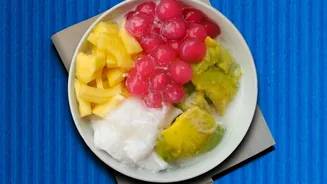
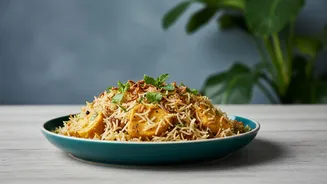
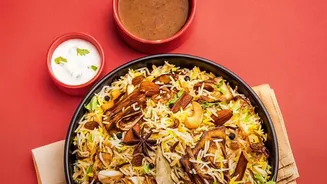
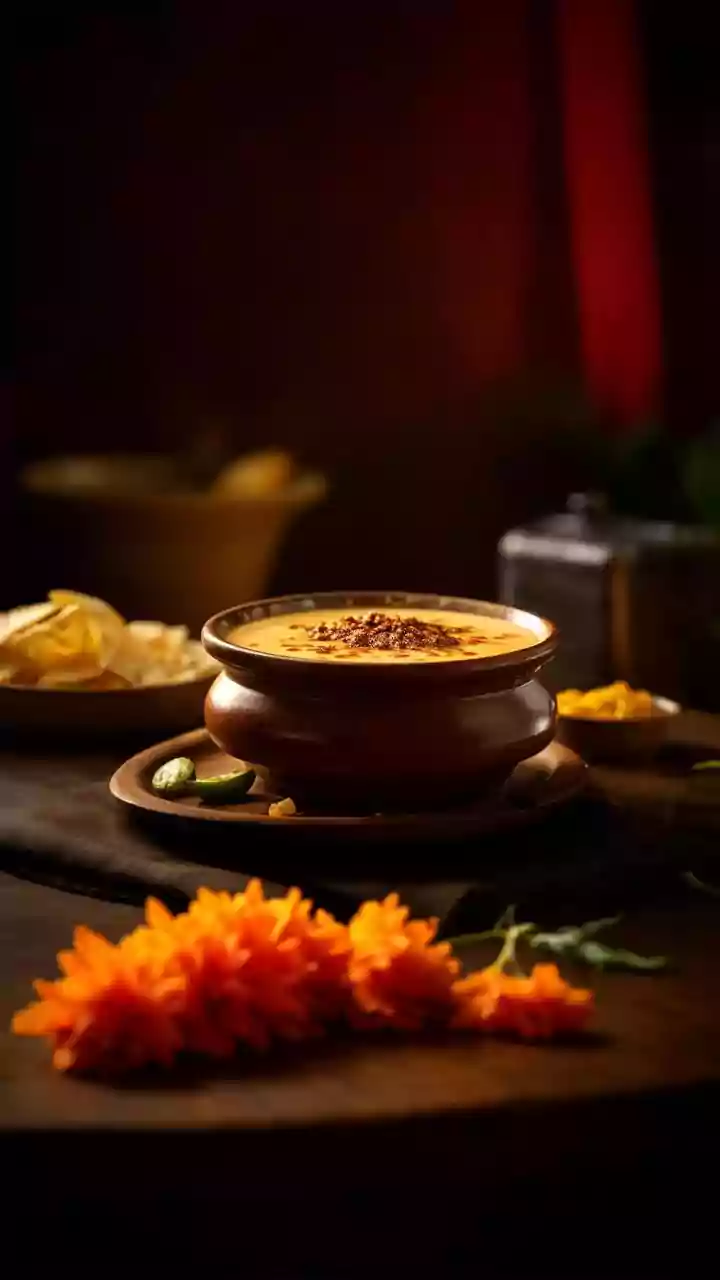
The sheer versatility of jackfruit is a cornerstone of its renewed popularity. Its culinary potential changes dramatically as it matures. The tender, raw fruit ('idichakka') is used for stir-fries, while the mature raw fruit provides the base for savoury dishes like curries and the classic 'chakka puzhukku'. The ripe fruit ('chakkapazham'), with its unique sweet taste, is eaten fresh or transformed into desserts like jams ('chakka varattiyathu'), puddings ('pradhaman'), and steamed cakes ('ada'). Even the seeds are roasted or added to curries. This adaptability is now being explored by a new wave of culinary enthusiasts, leading to innovative creations like jackfruit cutlets, biryanis, and even shawarmas, proving that traditional ingredients can find a firm place in the modern kitchen.