





The Search for 'Ghar Ka Khana'
For countless young professionals and students who migrate to India’s metropolitan hubs, the initial excitement of culinary freedom often fades into a monotonous cycle of restaurant takeaways and fast food. The rich, heavy, and standardized taste of commercially
prepared meals quickly loses its appeal. What replaces it is a deep-seated craving for 'ghar ka khana'—food that tastes like home. This isn't just about flavour; it's about the simplicity, the balance, and the intangible feeling of care cooked into a meal. The daily tiffin, with its promise of wholesome, less oily, and varied home-style fare, directly answers this growing need. It fills a nutritional and emotional void that even the most extensive food app menu cannot.
A Prescription for Health and Wellness
The current generation of young Indians is arguably the most health-conscious yet. Aware of the long-term effects of a poor diet, they actively seek out cleaner eating options. Restaurant food, often laden with excess oil, salt, and preservatives to ensure a consistent, crowd-pleasing taste, is increasingly viewed with suspicion. Tiffin services have capitalized on this trend by positioning themselves as the healthier alternative. They often advertise the use of fresh ingredients, balanced food groups (roti, sabzi, dal, rice), and controlled oil usage. For someone working a demanding job, the tiffin is a hassle-free way to stick to a healthier diet without the effort of meal-prepping or cooking after a long day.
The Antidote to Decision Fatigue
Modern urban life is a gauntlet of choices. From what to wear to which project to prioritize, we are in a constant state of decision-making. By evening, the simple question of 'what's for dinner?' can feel overwhelming. Scrolling endlessly through food delivery apps, comparing ratings, and waiting for orders contributes to what is known as decision fatigue. A tiffin subscription brilliantly eliminates this daily stressor. The meal arrives predictably, requires no active choice, and provides a comforting routine. This return to simplicity is a powerful draw for those feeling burnt out by the hyper-choice culture of modern life. It outsources a daily decision, freeing up mental energy for other things.
Nostalgia in a Steel Dabba
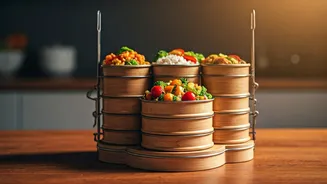
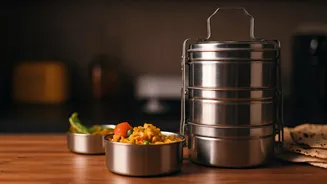
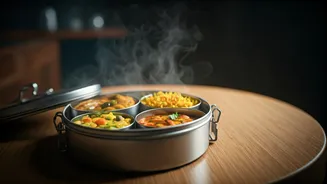
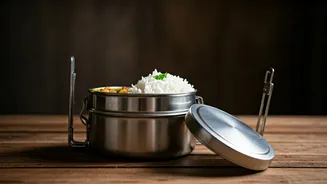
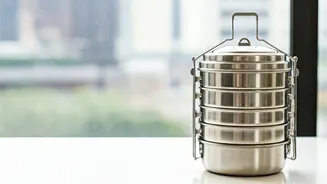
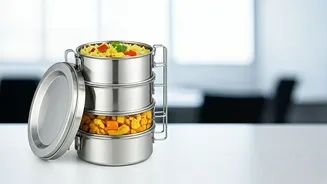
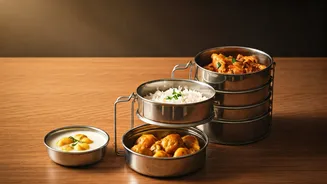
Beyond the practical benefits of health and convenience lies the tiffin’s most potent ingredient: nostalgia. The clink of the multi-tiered steel dabba, the waft of simple, familiar spices upon opening it—these sensory cues can instantly transport a person back to their childhood. It evokes memories of school lunchboxes packed by a mother's loving hands or the comforting rhythm of family meals. In the often isolating and fast-paced environment of a big city, this daily dose of nostalgia acts as an emotional anchor. It provides a tangible connection to one's roots, a reminder of home, and a feeling of being cared for, even from miles away. Each simple, unpretentious meal reaffirms a sense of identity and belonging.
Smarter, Cheaper, and More Reliable
Finally, the choice is also a matter of smart economics. While ordering a single meal from a restaurant app might seem affordable, the daily costs, including delivery fees, taxes, and surge pricing, add up significantly. A monthly tiffin subscription offers predictable, budget-friendly pricing. It’s a fixed expense that helps young Indians manage their finances better. Furthermore, the modern tiffin service has evolved. Many now operate through apps or WhatsApp, offering easy subscription management, menu previews, and sometimes even customization. This blend of old-world culinary comfort and new-age convenience makes the tiffin a pragmatic and emotionally satisfying choice for the digital-native generation.