


The Allure of the Rains
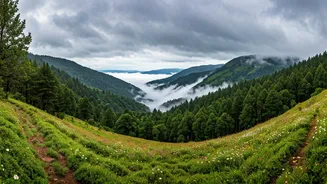
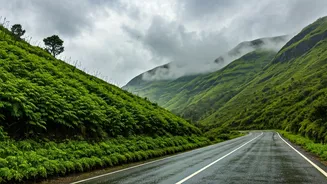
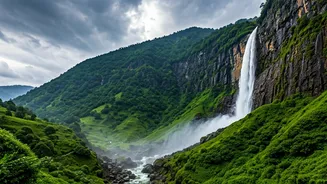
There's a certain magic to the monsoon that transforms familiar landscapes into something new and exhilarating. The scorching summer heat gives way to cool, misty air. Brown, dusty hillsides explode into a thousand shades of vibrant green. Waterfalls,
once mere trickles, now roar down mountainsides with magnificent force. For trekkers, this isn't a season to be avoided; it's the main event. The appeal lies in witnessing this dramatic rebirth of nature. The usual crowds of fair-weather tourists are gone, replaced by a quiet serenity broken only by the sound of rain and the chorus of chirping insects. It’s an immersive, sensory experience—the smell of wet earth (petrichor), the feel of mist on your face, and the sight of clouds rolling through the valleys below you.
Where the Action Is
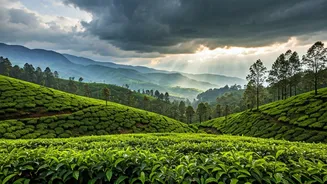
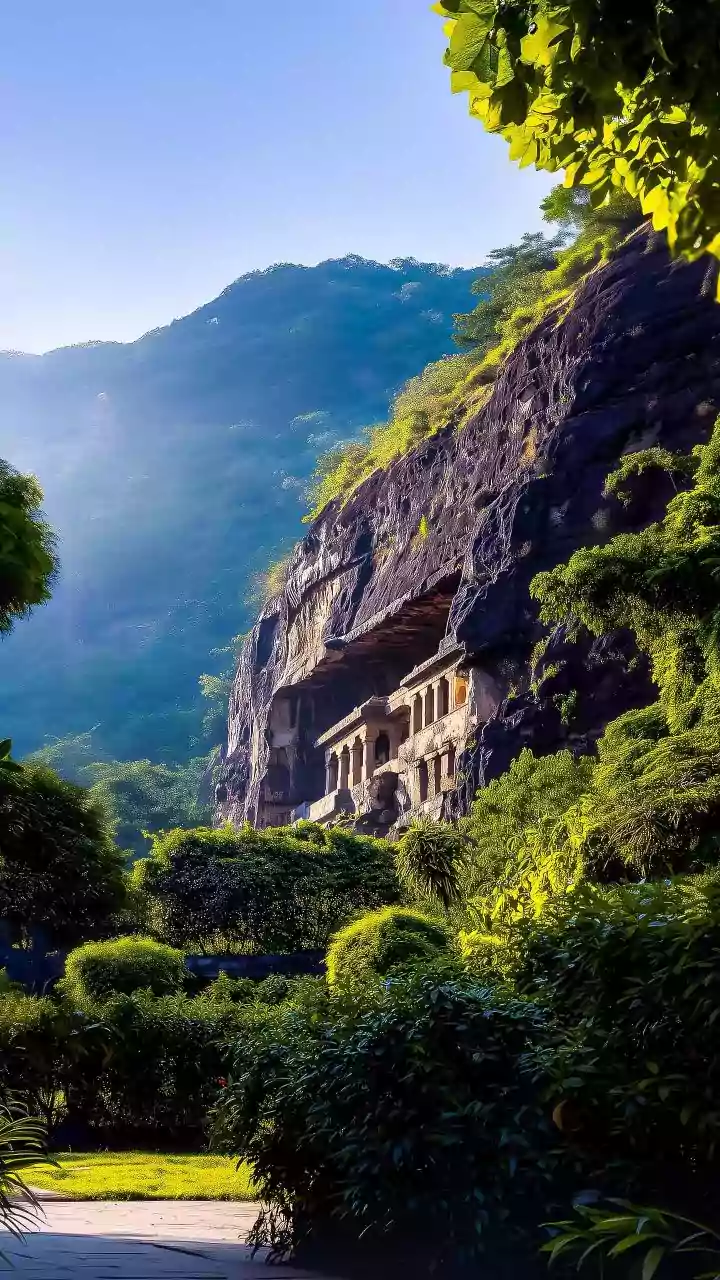
The epicentre of this monsoon trekking culture is undoubtedly the Sahyadri mountain range, or the Western Ghats, particularly in Maharashtra. Forts like Rajmachi, Lohagad, and Visapur become green wonderlands, their ancient stone pathways slick with rain and flanked by blooming wildflowers. Trekkers navigate lush plateaus and steep climbs to reach peaks shrouded in fog, offering a feeling of being on top of the world, literally in the clouds. But the trend isn't limited to one region. The hills around Lonavala and Malshej Ghat are buzzing with weekend warriors. Further south, the trails of Coorg in Karnataka and the hills of Munnar in Kerala offer their own unique brand of misty magic. Even certain accessible trails in the lower Himalayas, like those near Dharamshala, attract climbers looking for a different kind of challenge before the heavy snows arrive.
More Than Just a Walk
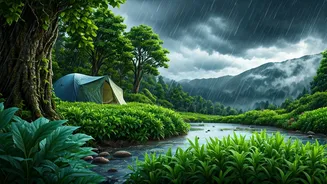
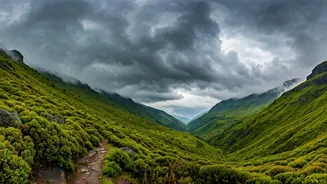
Monsoon trekking is a test of skill and spirit. It's not a casual stroll. The trails are slippery with mud and slick algae-covered rocks, demanding concentration with every step. Small streams swell into gushing currents that need to be crossed with care. And yes, there are leeches—a non-negotiable part of the experience in many wet, forested areas. Yet, for enthusiasts, these challenges are part of the thrill. They add a layer of raw adventure that a dry, predictable trail simply cannot offer. The reward is a profound sense of accomplishment and a connection to a wilder, untamed version of nature. Reaching a viewpoint to see a valley washed clean by the rain, or standing under a roaring seasonal waterfall, is a payoff that makes every slippery step worthwhile.
Gearing Up for the Drizzle
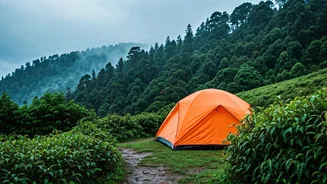
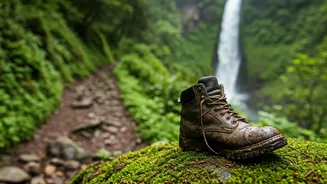
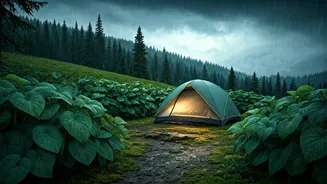
A successful monsoon trek is all about preparation. The right gear can mean the difference between a miserable slog and a memorable adventure. Cotton is your worst enemy; it soaks up water and stays cold. Instead, opt for quick-drying synthetic fabrics for your t-shirts and trousers. A reliable waterproof jacket is non-negotiable. Footwear is critical: choose hiking boots with deep lugs for superior grip on muddy and rocky terrain. Don't forget to protect your electronics and valuables by packing them in waterproof dry bags or even multiple layers of plastic bags. A walking pole can provide an extra point of contact, offering stability on tricky descents. Finally, carrying a salt pouch or a sanitiser spray can help with any leech encounters.
Safety on Slippery Slopes
While the monsoon offers incredible beauty, it also brings inherent risks. The weather can change in an instant, and visibility can drop to near-zero in thick fog. It's crucial to never trek alone. Go with an experienced group or a certified guide who knows the local terrain and weather patterns. Always check the weather forecast before you leave, and be prepared to turn back if conditions worsen. Inform someone back home of your exact itinerary and expected return time. Many popular trails can become dangerously crowded on weekends, leading to risky situations on narrow paths. If possible, plan your trek for a weekday. Most importantly, know your own fitness level. A trail that's easy in winter can be twice as difficult in the rain. Don't let ego push you beyond your limits.