


The Aroma of the Monsoon
For countless Indians, the arrival of the monsoon is inextricably linked with the sight and smell of the humble bhutta-walla. These roadside vendors, with their small charcoal grills, become a focal point of neighbourhood life as soon as the season turns.
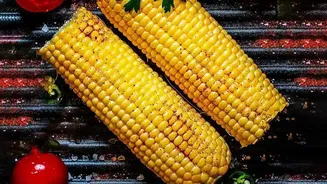
The magic begins with the sound: the crackle of burning coals and the soft popping of kernels as the corn is patiently turned over the open flame. This isn't just cooking; it's a performance. The vendor fans the flames, creating clouds of fragrant smoke that announce the availability of this beloved snack, drawing people in from their homes and offices. It's an experience that engages all the senses, turning a simple corn on the cob into a signal that the rains have truly arrived.
A Ritual of Simplicity
The preparation of street-style bhutta is a masterclass in simplicity and flavour. Once the corn is roasted, with its kernels lightly charred and smoky, the real artistry begins. The vendor takes half a lime, dips it into a personal blend of spices—typically salt, red chilli powder, and sometimes chaat masala or black salt—and rubs it generously over the hot cob. The sizzle of the acidic juice hitting the warm kernels, releasing a tangy, spicy aroma, is part of the appeal. This simple act of seasoning transforms the sweet corn into a complex burst of flavours: smoky, sweet, tangy, and spicy all in one bite. Served often on its own husk, it’s a zero-waste snack that is both delicious and elemental.
A Bite of Shared Memory
More than just a snack, bhutta is a vessel for nostalgia. For many, the taste is a direct link to the past, evoking fond memories of childhood. It recalls family drives on rainy evenings, post-school treats with friends, or romantic walks on a breezy beach at sunset. It is a taste that cuts across generations and social strata, a shared experience that connects a person from a bustling metropolis with someone in a small town. This powerful sense of nostalgia is what elevates bhutta from mere food to a cultural touchstone. It represents simpler times, the joy of a seasonal treat, and the comfort of a familiar ritual enjoyed year after year.
The Heartbeat of the Street
In the grand theatre of Indian street food, bhutta holds a unique and cherished role. It’s one of the healthiest and most affordable options available. Unlike many fried snacks, roasted corn is light, nutritious, and provides a good source of fibre. This makes it an accessible treat for everyone, from students on a tight budget to health-conscious office-goers. The bhutta-walla is a vital part of this ecosystem, often a familiar face who has been serving the same community for years. Gathering around the stall, waiting for your corn to be perfectly roasted and spiced, becomes a small, communal act—a brief moment of shared experience with strangers, all united by a common craving.
From Roadside to Restaurant
While the classic charcoal-roasted bhutta remains the undisputed champion, its flavours have inspired a new generation of chefs. Today, you can find deconstructed versions of this classic in trendy cafes and upscale restaurants. From creamy corn chaats and spicy corn ribs to soups and salads inspired by the bhutta flavour profile, the essence of the street snack is being reimagined. Some modern twists include different spice rubs, such as garam masala butter or cheese and garlic powder. These gourmet interpretations are a testament to the original’s timeless appeal, but for most, nothing can replace the authentic experience of eating a hot, freshly roasted bhutta on a rainy day, straight from the hands of a street vendor.