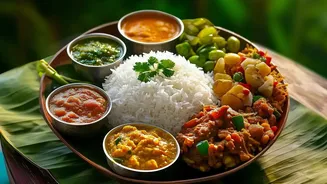

The Indian thali is more than a meal; it’s a map of flavours on a platter. Now, a culinary shift is underway in cities, as diners look beyond the familiar to embrace authentic thalis celebrating India's rarest and most diverse regional tastes.
The Return to Roots
For years,
dining out in urban India often meant choosing between homogenized 'North Indian' fare, predictable South Indian staples, or international cuisines. But a delicious revolution is taking place. Restaurants are witnessing a surge in demand for something more specific, more authentic, and more deeply rooted in the country's vast culinary landscape. Diners are increasingly trading global trends for the comforting satisfaction of a traditional meal that tells a story of a specific place. This renewed pride in regional Indian cuisine is transforming menus and palates, with the humble yet complex thali leading the charge.
Beyond Butter Chicken and Biryani
The new wave of popular thalis goes far beyond the usual suspects. In cities like Bengaluru, Mumbai, and Delhi, restaurants are finding eager customers for hyper-regional specialities that were once confined to home kitchens. We’re seeing the rise of cuisines like Kathiyawadi from Gujarat, Malnad from Karnataka, Odia from Odisha, and diverse flavours from the Northeastern states. These thalis offer a unique gastronomic journey, showcasing ingredients and cooking techniques rarely found in commercial establishments. Think Telangana's gongura mutton, Assam's xaak bhaji (green leafy vegetables), or a traditional Goan Saraswat meal, each offering a distinct taste of its terroir.
What's Fuelling the Hunger for Authenticity?
Several factors are driving this trend. A significant portion of the demand comes from India's migrant workforce living in metropolitan hubs, who crave the taste of home and are willing to pay a premium for it. For other urban diners, there's a growing fatigue with Westernized or generic food, leading to a search for more meaningful and authentic culinary experiences. Younger, more adventurous diners are curious about ingredients, recipes, and the stories behind their food. The pandemic also played a role, as many people rediscovered their own family recipes and culinary heritage, fostering a deeper appreciation for 'ghar ka khaana' or home-cooked food.
A Plate Full of Culture
The thali itself is perfectly suited for this culinary exploration. Far from being just a sampler platter, a traditional thali is a masterclass in balanced nutrition, designed centuries before the concept of a 'balanced meal' became a wellness trend. It incorporates a variety of tastes—sweet, salty, bitter, sour, and spicy—along with diverse textures. A single platter can feature lentils, multiple vegetable preparations, bread, rice, a pickle for probiotics, chutney, and a small dessert, offering a complete and satisfying experience. This format allows chefs to present a holistic picture of a region's cuisine, from everyday staples to festive specialities.
Chefs as Cultural Storytellers
This movement isn't just about recreating old recipes; it's about preserving and celebrating them. Chefs and restaurateurs are taking on the role of cultural ambassadors. They are meticulously sourcing local ingredients and often hiring cooks from specific regions to ensure true authenticity. Some chefs are even returning to their roots, opening restaurants dedicated to the food of their childhood. This dedication is paying off, with industry insights showing that a significant percentage of diners are actively seeking out these deeper culinary experiences, eager to learn the history behind each dish on their platter. It's a shift from just eating to experiencing a culture.