


An Era of Unpredictable Rains
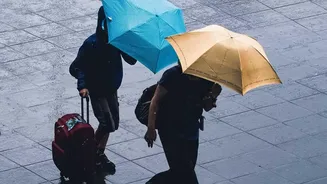
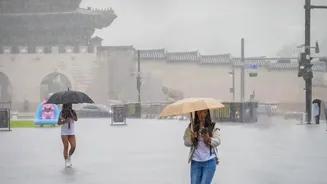
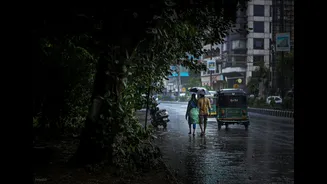
For decades, planning a trip to India followed a simple formula: avoid the monsoon months of June to September. But climate change is rewriting this calendar. The monsoon is no longer a steady, four-month affair. Instead, it is becoming more erratic,
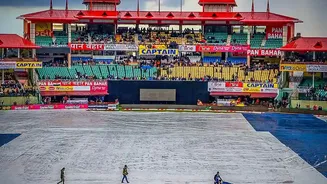
characterized by delayed arrivals, longer-than-usual stays, and intense, short bursts of extreme rainfall instead of consistent showers. According to the India Meteorological Department (IMD), the 2026 monsoon season was a clear example of this volatility, with a delayed onset in some areas and a late withdrawal. For instance, the withdrawal from west Rajasthan in 2026 began on September 19, a couple of days later than the new normal date of September 17. These shifts mean that October, once considered the start of the dry, peak travel season, may now see significant rainfall, while traditional rainy months might experience prolonged dry spells.
Coastal Getaways: A New 'Shoulder' Season
Destinations like Goa and Kerala, famous for their post-monsoon sunshine, are seeing their travel seasons blur. What was once the 'off-season' is now gaining popularity, with travellers embracing the lush, green landscapes that the rains bring. In fact, many now prefer to travel during the monsoon for more immersive, slower-paced holidays. However, the change in rain patterns means that the transition from monsoon to winter is less defined. A delayed monsoon withdrawal can mean more rainy days extending into October and even November, potentially pushing back the setup of beach shacks and the start of water sports. This creates a 'new' shoulder season where weather is a mixed bag, but crowds are thinner and prices lower. Travellers are increasingly taking shorter, more spontaneous trips, adapting to the weather as it happens.
Mountain Travel: Recalculating the Risks
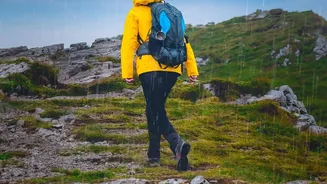
The Himalayas have always been a popular escape from the summer heat, with trekking season typically hitting its stride post-monsoon. But the new weather reality brings heightened risks. More intense bursts of rain are leading to an increased frequency of flash floods and landslides in states like Himachal Pradesh and Uttarakhand, even late into the season. A study by the Potsdam Institute for Climate Impact Research warns that monsoon rainfall is becoming stronger and more erratic, which can have severe consequences. This doesn't mean you should cancel your mountain plans, but it does require a new level of caution. The window for safe trekking may be narrowing or shifting. It's now more important than ever to travel with experienced guides, build extra buffer days into your itinerary, and stay updated on local weather alerts, as conditions can change rapidly.
How to Plan for India's New Weather
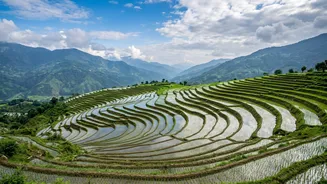
Navigating India’s changing weather patterns requires flexibility and smart planning. The old guidebooks are becoming less reliable, making real-time information your most valuable tool. Firstly, embrace flexibility. Consider booking flights and hotels with flexible cancellation or rescheduling policies. This allows you to adapt your plans if a region is experiencing unexpected weather. Secondly, monitor weather forecasts closely, relying on updates from the IMD rather than just annual climate charts. Thirdly, rethink your destinations. While some traditionally dry areas are now receiving more rain, once-soggy regions might be experiencing dry spells. Finally, don't write off the monsoon season entirely. The rains transform landscapes into vibrant green wonderlands, and many destinations like Goa are actively promoting monsoon tourism, highlighting local festivals and lush natural beauty. With the right mindset, this period can offer a unique and rewarding travel experience.