







1. Adopt a Sattvic Diet
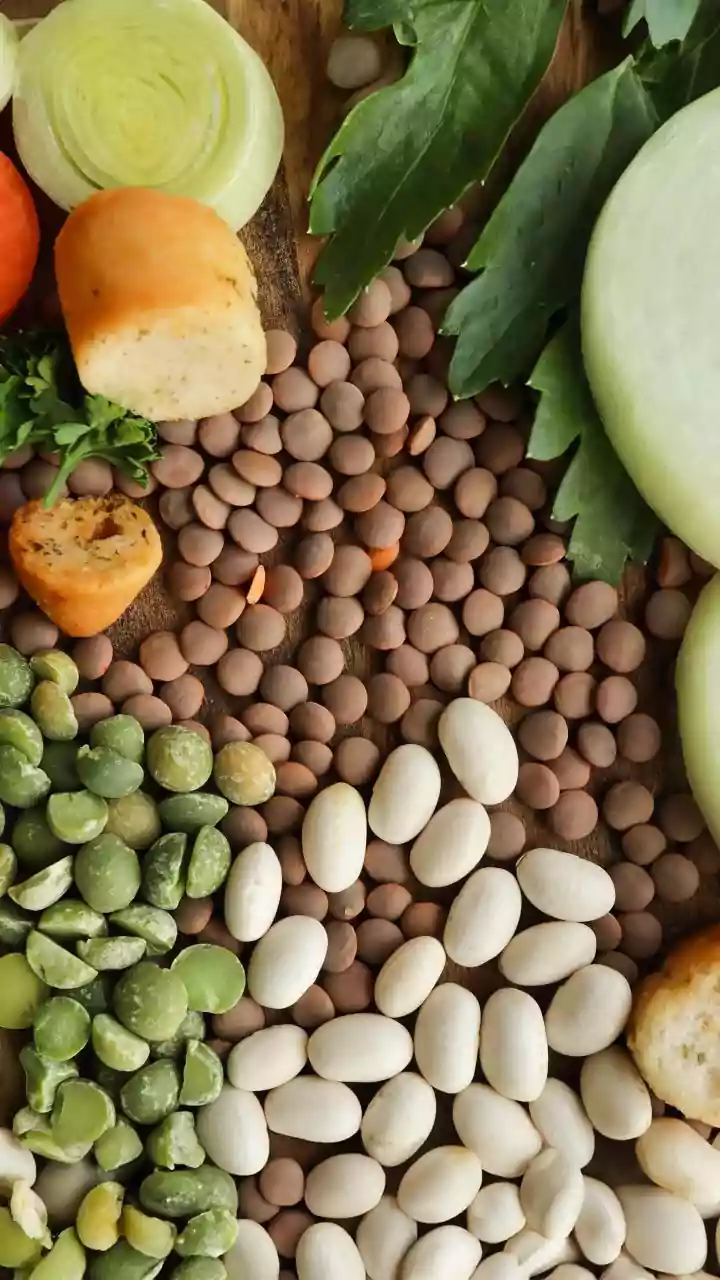
Shravan is the perfect time to embrace a sattvic diet, which consists of fresh, light, and easily digestible foods. According to Ayurveda, the digestive fire (Agni) is weaker during the monsoon. Opt for freshly cooked meals with vegetables like bottle
gourd and pumpkin, whole grains like old barley and rice, and pulses like moong dal. These foods are gentle on the stomach, prevent bloating, and promote mental clarity for spiritual practices.
2. Prioritise Smart Hydration
While it's raining outside, staying properly hydrated is crucial. However, instead of cold drinks that can dampen your digestive fire, switch to warm or boiled water. Sipping warm water throughout the day helps flush out toxins and supports digestion. You can also enjoy herbal teas made with ginger, tulsi, or cinnamon, which have anti-inflammatory properties and help ward off common colds and coughs.
3. Practice Mindful Fasting
Many people observe fasts during Shravan, especially on Mondays. This practice gives your digestive system a much-needed rest. Instead of seeing it as a restriction, view it as a detox. If you are fasting, fuel your body with nutrient-dense foods like fruits, nuts, and dairy products like milk and paneer. These provide sustained energy without being heavy. Avoid deep-fried fasting snacks, which can make you feel sluggish.
4. Be Cautious with Leafy Greens
Leafy green vegetables are generally healthy, but during the monsoon, they can be a source of germs and bacteria due to the dampness and contaminated soil. It's best to either limit their intake or ensure they are washed thoroughly, preferably in warm water with a pinch of salt, and cooked well before eating. Opt for vegetables that grow above the ground, like gourds and beans.
5. Limit Dairy and Heavy Foods
Heavy foods, including excessive dairy products like cheese and rich curds, can be difficult to digest during the monsoon. Ayurveda suggests that curd, in particular, can be problematic as it's heavy and can disrupt digestion. A lighter alternative is freshly prepared buttermilk (chaas), which is a probiotic and aids digestion. Also, reduce the consumption of oily and fried street food, as it increases the risk of stomach infections.
6. Boost Immunity with Spices
The monsoon is notorious for bringing a wave of infections. Fortify your immune system by incorporating digestive spices into your meals. Ginger, turmeric, black pepper, cumin (jeera), and asafoetida (hing) not only add flavour but also have powerful immune-boosting and anti-inflammatory properties. A simple dal tempered with these spices can become a medicinal meal.
7. Maintain Personal Hygiene
High humidity creates a breeding ground for fungal and bacterial infections, especially on the skin and feet. Always keep your skin dry and wear clean, dry clothes. Avoid walking in stagnant water, and if you get wet in the rain, change into dry clothes as soon as possible. Washing your hands and feet thoroughly after coming indoors is a simple yet effective habit.
8. Stay Active Indoors
The gloomy weather might make you feel lethargic, but it's important to stay active. Since outdoor exercise may not always be possible, embrace indoor activities. Gentle yoga, stretching, and simple home workouts are excellent for maintaining flexibility and boosting metabolism. Staying active helps prevent the sluggishness often associated with the season.
9. Focus on Mental Wellness
Shravan is as much about spiritual and mental purification as it is about physical health. The lack of sunlight during monsoon can sometimes lead to feelings of gloom. Use this time for mindfulness, meditation, or simple breathing exercises. These practices help calm the mind, reduce stress, and align with the serene, spiritual energy of the month.
10. Ensure Adequate Rest
Getting enough sleep is fundamental to a strong immune system. Ayurveda advises against sleeping during the day in this season, as it can slow down metabolism further. However, ensuring you get 7-8 hours of quality sleep at night is crucial. Proper rest helps your body repair itself and stay resilient against seasonal illnesses.