


A New Generation Reimagines Tradition
Across India, a conscious shift is underway, led by younger generations who are passionate about both cultural heritage and personal well-being. This movement finds a perfect expression during festivals like Janmashtami, where food is central to the celebration.
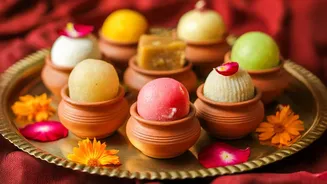
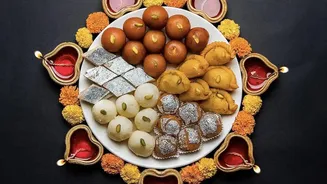
Instead of forgoing beloved sweets, youth collectives and health-conscious food enthusiasts are innovating. They are exploring ways to honour tradition while aligning with modern health principles. The goal is not to replace, but to reinvent—creating versions of classics like Panjiri, Ladoos, and Kheer that are lower in refined sugar and higher in nutritional value. This approach allows everyone, including those with dietary restrictions, to partake in the festive joy without guilt. It's a celebration of creativity, proving that festive indulgence and mindful eating can go hand in hand.
The Sweet Swap: Natural Alternatives to Sugar
The cornerstone of this healthy transformation lies in replacing refined white sugar with natural, unrefined alternatives. Jaggery (gur) is a popular choice, bringing with it a rich, molasses-like flavour and trace minerals like iron. Dates are another favourite, offering natural sweetness along with fibre and a dense, chewy texture perfect for energy bites and ladoos. Other creative swaps include using fig (anjeer) paste, raisins (kishmish), and coconut sugar, which has a lower glycemic index. For some preparations, a small amount of stevia, a plant-based, zero-calorie sweetener, can also be used effectively, particularly in milky desserts like kheer or shrikhand. These swaps not only cut down on empty calories but also add nutritional complexity and a unique depth of flavour to the sweets.
Reinventing Panjiri and Ladoos
Panjiri, a quintessential Janmashtami prasad, is traditionally made with whole wheat flour, ghee, sugar, and nuts. The healthier version sees a simple but impactful change: jaggery powder or finely chopped dates replace the sugar. To enhance its nutritional profile, young chefs are also adding seeds like flax and pumpkin. Similarly, ladoos are getting a healthy update. Dates and nut ladoos, which require no added sugar at all, have become incredibly popular. These are made by simply blending dates into a paste and combining it with roasted nuts like almonds and walnuts. Ragi (finger millet) flour is also being used to make ladoos, often sweetened with jaggery and bound with a minimal amount of ghee, offering a boost of calcium and fibre.
Healthier Kheer and Creamy Desserts
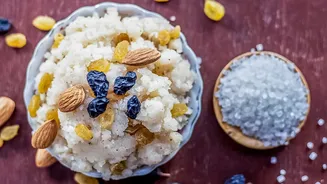
Creamy, comforting kheer is a festive staple that adapts beautifully to healthier modifications. Instead of white rice, wholesome alternatives like makhana (fox nuts) or millets can be used to create a similarly thick and satisfying pudding. To sweeten the kheer, a small amount of jaggery, date syrup, or stevia can be stirred in towards the end of the cooking process. It's important to add jaggery after the milk has cooked to prevent it from curdling. For another classic, Shrikhand, the thick, strained yoghurt can be sweetened with powdered monk fruit or stevia instead of sugar, then infused with traditional cardamom and saffron for a guilt-free yet decadent treat.
Beyond Swaps: The Rise of Healthier Cooking Methods
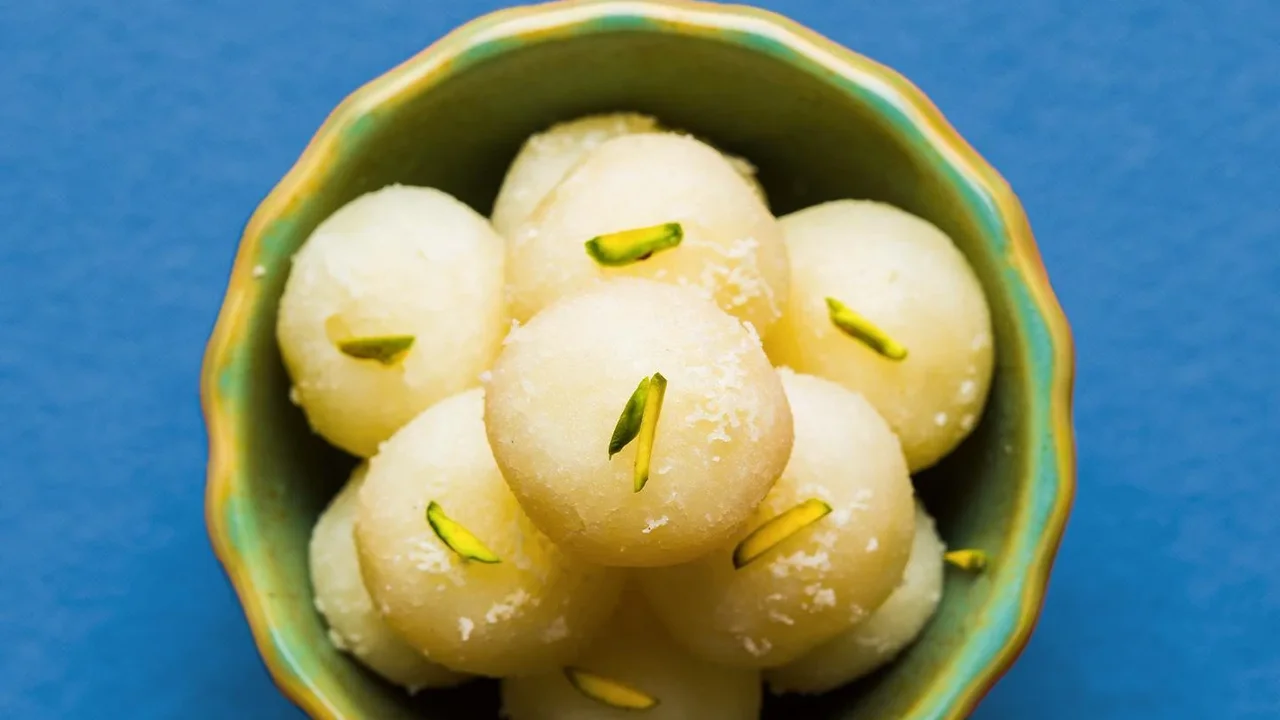
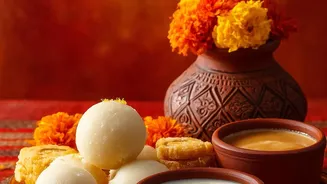
The innovation doesn't stop at ingredients. Youthful cooks are also embracing alternative cooking methods to reduce the overall fat content of festive snacks. While traditional recipes for sweets like gujiya or mathri often call for deep-frying, many are now turning to baking and air-frying. Baked versions of these treats can achieve a similar crispness with a fraction of the oil, making them significantly lighter. For instance, recipes for baked rasgullas are gaining traction, offering a new twist on the Bengali classic by baking the spongy cheese balls in a thickened milk sauce (rabdi) instead of just soaking them. This shift in cooking techniques is a key part of the larger trend towards making festive food more wholesome and sustainable for a modern lifestyle.