






What is Ambali?
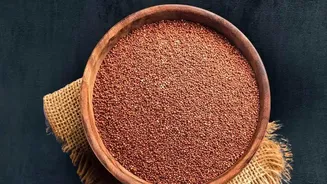
Ambali, also known as Ragi Ambali, is a traditional fermented porridge or drink made from finger millet (ragi) flour. For generations, it has been a staple in southern Indian states like Karnataka, Andhra Pradesh, and Telangana. The process is simple
yet effective: ragi flour is cooked into a paste, often cooled, and then left to ferment, typically overnight, in water. This fermentation gives the drink its signature mild, tangy flavour and unlocks many of its health benefits. Traditionally, it was the go-to fuel for farmers, valued for providing sustained energy and hydration in hot weather. It can be served savoury, mixed with buttermilk, salt, onions, and spices, or sweet with a bit of jaggery.
The Probiotic Powerhouse
The secret to Ambali's resurgence lies in one word: fermentation. This age-old process transforms the simple millet drink into a rich source of natural probiotics, the beneficial bacteria crucial for a healthy digestive system. The fermentation cultivates live cultures like Lactobacillus, similar to those in yogurt, which help nourish the gut, improve digestion, and reduce bloating. More importantly, this process breaks down 'antinutrients' like phytic acid found in the grain. Reducing these compounds makes the abundant minerals in ragi, especially calcium and iron, more bioavailable for the body to absorb.
Why Ragi is a Superfood
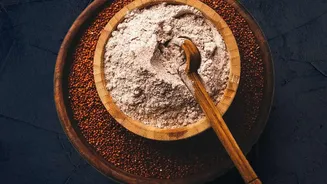
Ambali’s nutritional prowess starts with its star ingredient, finger millet. Ragi is a gluten-free powerhouse and one of the best plant-based sources of calcium, containing significantly more than other common cereals. A 100g serving of ragi provides around 344mg of calcium, essential for strong bones and preventing osteoporosis. It is also packed with dietary fibre, which promotes satiety and aids in weight management. With a low glycemic index, ragi helps in regulating blood sugar levels, making Ambali a suitable choice for those managing diabetes. Its rich profile of iron, protein, and essential amino acids further cements its status as a true superfood.
From Farmhouse Fuel to Urban Elixir
So, why is this ancient drink trending now? Ambali’s comeback is perfectly timed with a global shift in wellness culture towards gut health, immunity, and a renewed appreciation for traditional, local foods. In a world of processed foods, consumers are actively seeking authentic, nutrient-dense options. Ambali fits the bill perfectly. It's a natural, functional food that has been trusted for centuries for its cooling properties, making it an ideal summer beverage. Urban cafes are now giving this traditional drink a modern makeover, serving it in chilled glasses with contemporary garnishes, making it appealing to a new generation of health-conscious customers.
How to Experience Ambali
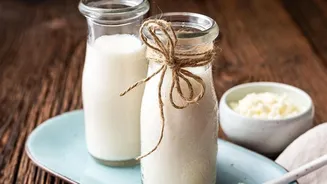
For those looking to try Ambali, many South Indian restaurants and now, increasingly, health-focused cafes are adding it to their menus. Making it at home is also straightforward. It starts with making a simple porridge by cooking ragi flour in water until it forms a lump-free paste. This mixture is then left to cool and ferment overnight in water, traditionally in an earthen pot. The next morning, the fermented mixture is whisked, and you can customize it to your liking. For a savoury version, mix in buttermilk (chaas), salt, finely chopped onions, green chillies, ginger, and curry leaves. For a sweet take, simply add jaggery. It’s a versatile drink that can be easily adapted to your taste.