



The Backlash to Being Over-Touristed
For years, the travel playbook was simple: see the icons, check the boxes. But a fatigue has set in. Travelers are growing weary of the 'Instagram effect,' where destinations become so popular online they’re rendered almost unbearable in person. Think
booking reservations months in advance, waiting in long lines for a single photo, and paying peak prices for a generic experience. This phenomenon, known as overtourism, has created its own backlash. The new travel currency isn't about proving you went to the most famous place; it's about the story you can tell from somewhere unexpected. It’s a shift from performative travel to personal discovery, driven by a desire for authenticity and a genuine escape from the hustle.
The Rise of the Second City
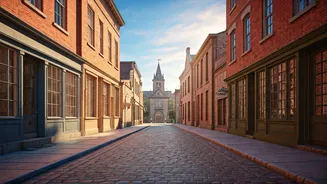
Instead of booking another trip to New York, Chicago, or Los Angeles, savvy travelers are looking to America's 'second cities.' These are metro areas with rich culture, killer food scenes, and distinct personalities that have long been overshadowed by their more famous counterparts. Think of the vibrant arts and history in Baltimore, the surprising culinary depth of Kansas City, or the brewery-and-boutique scene in Grand Rapids, Michigan. These cities offer the amenities of a major urban destination—walkable neighborhoods, great museums, and innovative restaurants—but without the crushing crowds and inflated costs. You get all the upside of a city break with the feeling that you’ve stumbled upon a well-kept secret, where local life, not tourism, is the main event.
Beyond the Famous National Park
The postcard images of Zion's canyons and Yellowstone's geysers are iconic for a reason, but their popularity has led to reservation systems, traffic jams, and crowded trails. The new frontier for nature lovers is the vast network of landscapes just beyond these headliners. State parks often rival their national counterparts in beauty, offering stunning vistas and serene trails with a fraction of the foot traffic. Consider the otherworldly rock formations at Goblin Valley State Park in Utah as an alternative to Arches, or the lush waterfalls of New York's Finger Lakes region. National forests and Bureau of Land Management (BLM) lands also offer millions of acres of wild, unstructured space for hiking, camping, and exploring, rewarding those willing to trade paved paths for a bit of adventure.
In Search of the 'Dupe' Destination
In the world of beauty and fashion, a 'dupe' is an affordable alternative to a high-end product. The same concept is now being applied to travel. Why battle the crowds and costs of Napa Valley when you can have an equally charming wine-tasting experience in Virginia's Blue Ridge Mountains or the Texas Hill Country? Instead of the packed beaches of Cape Cod, why not explore the quieter, wilder coastline of Oregon or Michigan's Upper Peninsula? The goal isn't to find an exact replica, but to capture the *vibe* of a popular vacation—be it a wine retreat, a beach getaway, or a mountain escape—in a place that's more accessible, affordable, and personal. It’s about identifying what you love about a popular hotspot and finding that same spirit elsewhere, minus the hassle.
The Allure of the Analog Town
Perhaps the ultimate hidden hotspot is the place that’s barely online at all. In a hyper-connected world, the idea of a town with spotty cell service, a Main Street full of independent shops, and a genuine sense of community has become its own form of luxury. These 'analog towns' force you to disconnect and be present. They’re places where the main activities might be browsing a bookstore, chatting with a local shop owner, or simply sitting on a porch. From the tiny artistic communities in the West Virginia mountains to the quiet fishing villages of the Maine coast, these towns aren’t trying to be hotspots. Their appeal lies in their authenticity and their refusal to chase trends—which, ironically, is what makes them so trendy right now.