






Master the Art of Layering
Dressing too warmly is a common mistake in cool weather. The key is not to bundle up in one thick jacket, but to dress in three strategic layers that you can adjust as your body heats up. The three-layer system consists of a base layer, a middle layer, and
an outer layer. This approach traps warm air for insulation while giving you the flexibility to remove a layer if you start to overheat. As a general rule, dress as if it were 10 to 15 degrees warmer outside to account for the body heat you'll generate.
Choose Your Fabrics Wisely
The material of your layers is just as important as the layers themselves. For your base layer—the one closest to your skin—choose a snug, moisture-wicking fabric. Materials like polyester, merino wool, or other synthetics pull sweat away from your body to keep you dry. Avoid cotton at all costs, as it absorbs moisture and will make you feel cold and damp once you start sweating. Your middle layer should be for insulation; think fleece or a wool blend. For the outer layer, select a jacket that is wind- and water-resistant to protect you from the elements, but also breathable enough to let moisture escape.
Protect Your Extremities
Your head, hands, and feet are often the first parts of your body to feel the cold, as blood flow is concentrated in your core. A hat or headband is crucial for preventing heat loss and protecting your ears. For your hands, consider a thin pair of wicking glove liners underneath a heavier pair of gloves or mittens. This allows you to take off the outer layer if your hands get too warm. When it comes to footwear, you might need to go up half a size to accommodate thicker thermal socks.
Prioritise Your Warm-Up and Cool-Down
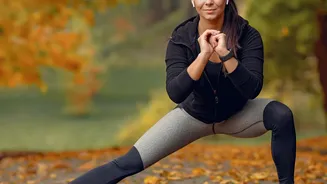
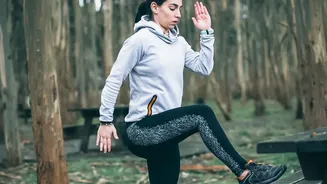
Cold muscles are tighter and more prone to injury, so a proper warm-up is non-negotiable. It's important to spend more time warming up as the temperature drops. Start with a few minutes of light activity like a brisk walk or jog to increase your heart rate and muscle temperature. Follow this with dynamic stretches—active movements like leg swings and arm circles—to prepare your body for the workout. After your session, don't just rush inside. A cool-down involving a slow walk and static stretches will help your heart rate return to normal gradually and can reduce muscle soreness.
Stay Safe and Seen
As the seasons shift, daylight hours become shorter. If you're exercising in the early morning or evening, visibility is critical for your safety. Wear bright or reflective clothing so that drivers and cyclists can see you clearly. A headlamp or carrying a small light can also be a good idea. Also, be mindful of your route. Fallen leaves can hide trip hazards, and cooler temperatures can create slick, icy patches on the ground. Choose footwear with good traction to help prevent falls.
Don't Forget to Hydrate
It's easy to think hydration is only a concern during hot summer workouts, but you can still become dehydrated in the cold. You may not feel as thirsty, and you might not notice yourself sweating as much, but your body still loses fluids through sweat and respiration. Cold, dry air can actually increase fluid loss as you breathe. Make a conscious effort to drink water before, during, and after your workout to stay properly hydrated. Room temperature or warm liquids can be a more comfortable choice than ice-cold water on a chilly day.