


Understanding Your Toddler's Unique Risk
Children are not just small adults when it comes to pollution. Their bodies are uniquely susceptible for several reasons. Toddlers breathe faster than adults, inhaling more air—and more pollutants—relative to their body weight. Their lungs and immune
systems are still developing, making them more prone to damage from particulate matter like PM2.5, which can lead to reduced lung growth, asthma, and bronchitis. Their shorter stature also puts them closer to the ground, where certain heavy pollutants from vehicle exhaust tend to concentrate. This combination of factors means that early exposure can have lifelong consequences, affecting not only respiratory health but also cognitive development and overall immunity.
Fortifying Your Home: The Indoor Battle
Many parents are surprised to learn that indoor air can be up to five times more polluted than the air outside. Sources are often everyday items: cooking fumes, cleaning agents, incense sticks (agarbattis), paints, and even new furniture can release harmful volatile organic compounds (VOCs). To truly protect your child, your strategy must begin within your own four walls. Investing in a high-quality air purifier with a HEPA (High-Efficiency Particulate Air) filter for your child's bedroom is a critical first step. These devices are effective at trapping microscopic pollutants like PM2.5. Simple habits like wet-mopping floors instead of dry sweeping, using a HEPA-filter vacuum, and ensuring good ventilation by opening windows during periods of lower outdoor AQI can also make a significant difference.
Navigating the Outdoors Safely
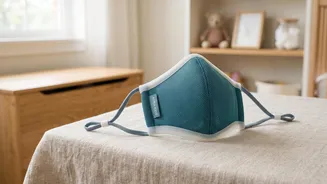
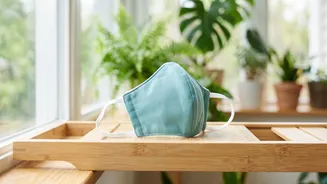
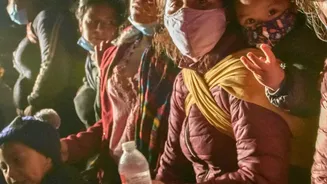
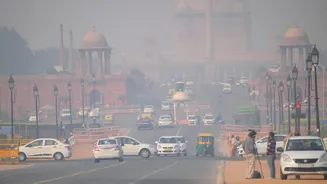
Keeping toddlers indoors all the time is neither practical nor healthy for their development. The key is to be strategic. Before heading out, always check the local Air Quality Index (AQI) using an app like SAFAR-India. As a general rule, it's best to avoid or limit outdoor play when the AQI is above 150, and certainly when it crosses 200. Pollution levels are often highest in the early morning and late evening, so planning outdoor activities for the late morning or afternoon can reduce exposure. For toddlers over the age of two, a well-fitting N95 mask can offer protection for short, essential outings, but it's important that they are not worn for extended periods. It's generally advised that children under two should not wear masks as it can impede their breathing.
The Power of a Protective Diet
What your toddler eats can play a supportive role in strengthening their body's defense against pollution's impact. Pollutants cause oxidative stress in the body, and a diet rich in antioxidants can help counteract this. Focus on incorporating foods high in Vitamin C (like citrus fruits and bell peppers), Vitamin E (like nuts and spinach), and Omega-3 fatty acids (found in avocados and flaxseed). Traditional Indian remedies also have their place; foods like jaggery and turmeric are known for their anti-inflammatory properties. Keeping your toddler well-hydrated by encouraging regular water intake is another simple but effective way to help their system flush out toxins.
Creating Smart, Healthy Habits
Beyond air purifiers and masks, a layer of smart daily habits provides a robust shield. Avoid using room fresheners, mosquito coils, and strong chemical cleaners, which contribute to indoor pollution. Opt for natural, baby-friendly cleaning products where possible. When AQI is poor, advocate for changes at your child's school, such as holding assemblies indoors and shifting sports activities to cleaner air days. Pay close attention to symptoms like a persistent dry cough, wheezing, or unusual tiredness, especially if they seem to worsen on high-pollution days, as these can be signs that the air quality is affecting your child. Consistent small precautions add up to a big difference in protecting your child's longterm health.