





How Pollution Attacks Your Skin
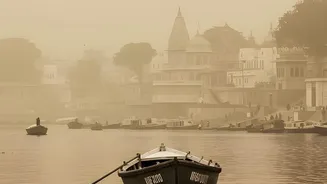
Your skin has a natural protective shield called the skin barrier. It's designed to keep moisture in and irritants out. However, the air in a highly polluted city like Delhi is filled with tiny particles known as PM2.5, along with other pollutants like ozone
and nitrogen dioxide. These particles are microscopic, often 30 times smaller than a human hair, allowing them to penetrate the skin's outer layers. Once they are in, they generate unstable molecules called free radicals. This process, known as oxidative stress, breaks down the essential fats and proteins that hold your skin barrier together. A weakened barrier can no longer effectively hold onto moisture, leading to a significant increase in water loss from the skin. The result is dryness, flaking, and a feeling of tightness.
The Link to Irritation and Premature Ageing
A compromised skin barrier doesn't just lead to dryness; it makes your skin more vulnerable to all sorts of problems. With its defences down, irritants can get in more easily, triggering inflammation, redness, and flare-ups of conditions like eczema and rosacea. This constant state of inflammation can also accelerate the ageing process. The same free radicals that cause dryness also degrade collagen and elastin, the two proteins responsible for keeping your skin firm and plump. This contributes to the premature appearance of fine lines, wrinkles, and even pigmentation or dark spots.
Your Daily Defence: A Skincare Strategy
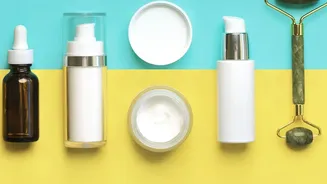
While you can't change the air quality outside, you can adopt a skincare routine to fortify your skin's defences. The goal is to remove pollutants, neutralise damage, and rebuild your skin barrier. This doesn't require a dozen complicated steps, but consistency is key. A simple, targeted approach can make a significant difference in how your skin weathers the pollution season.
Step 1: The Double Cleanse
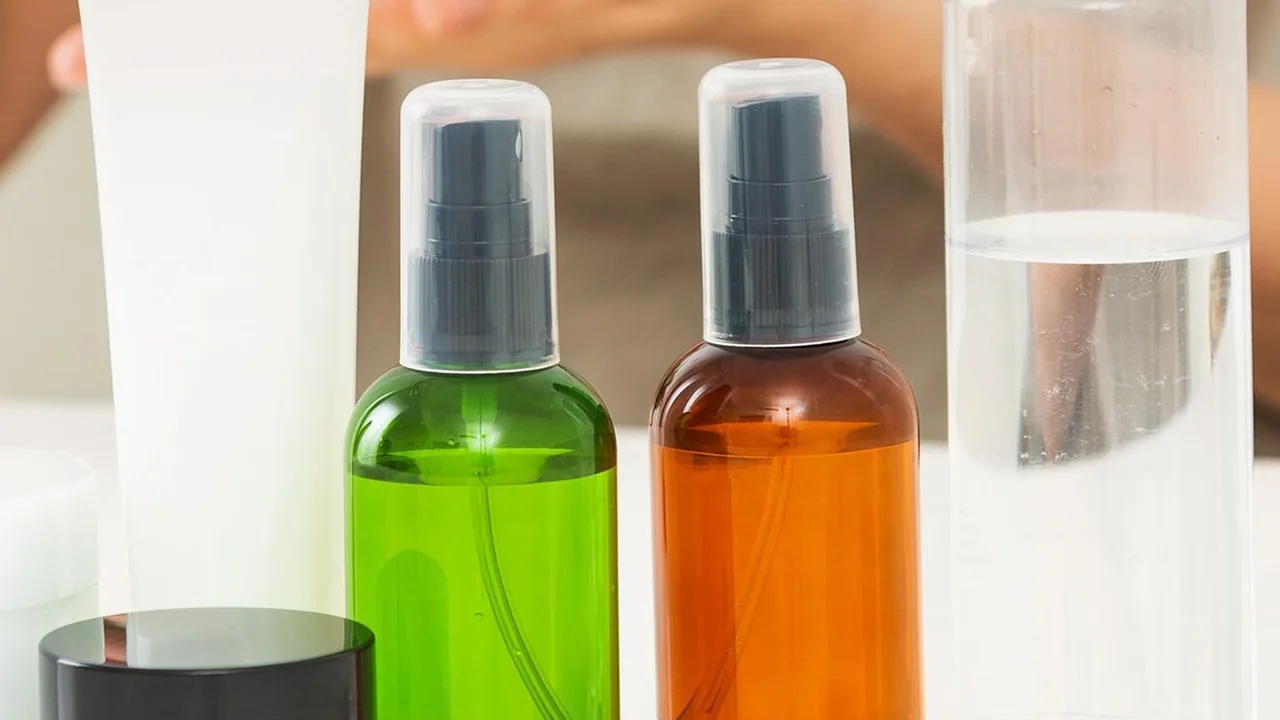
Pollutants, grime, and makeup accumulate on your skin throughout the day. A single wash might not be enough to remove it all. Double cleansing at night is a highly effective method. Start with an oil-based cleanser to dissolve stubborn, oil-soluble impurities like particulate matter and sunscreen. Follow it with a gentle, water-based cleanser to wash everything away without stripping your skin of its natural oils. This thorough cleanse ensures you go to bed with a clean slate, preventing pollutants from causing damage overnight.
Step 2: Neutralise with Antioxidants
Antioxidants are your best friend in the fight against pollution-induced damage. They work by neutralising the harmful free radicals before they can harm your skin cells. A serum containing Vitamin C is a popular and effective choice for morning use. It not only protects against environmental damage but also helps brighten the skin. Other powerful antioxidants to look for in serums or moisturisers include Vitamin E, niacinamide, and green tea extract. Applying an antioxidant serum in the morning adds an extra layer of protection under your moisturiser and sunscreen.
Step 3: Rebuild with the Right Moisturiser
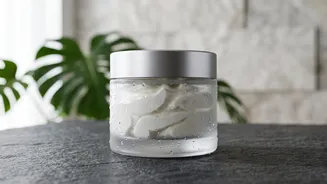
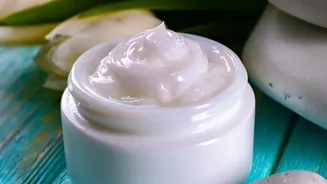
Since pollution's primary weapon is breaking down your skin barrier, your moisturiser's job is to build it back up. Look for moisturisers containing ingredients that mimic the skin's natural structure. Ceramides are lipids that are fundamental to barrier function. Hyaluronic acid is excellent for hydration as it draws and holds moisture in the skin. Glycerin is another effective hydrator. Using a barrier-repairing moisturiser twice a day helps lock in moisture, strengthen your skin's defences, and reduce sensitivity.
Step 4: Don't Skip Sunscreen
Even on hazy, smoggy days when the sun isn't visible, harmful UV rays are still present. The combination of UV radiation and pollution is particularly damaging to the skin. Sunscreen is a non-negotiable final step in your morning routine. It creates a physical shield that protects against UV rays, which can exacerbate the effects of pollution. Look for a broad-spectrum sunscreen with an SPF of 30 or higher and apply it generously every single day.