







The Ambush at the Boarding Gate
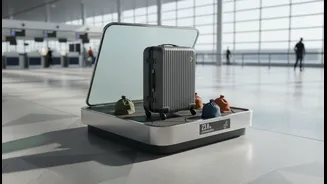
You’ve navigated check-in, cleared security, and are minutes from boarding. Then comes the announcement or the sharp-eyed gate agent: your cabin baggage is slightly too large, a kilogram too heavy, or you have one personal item too many. The only solution
is to pay a steep, non-negotiable fee. This scenario has become a routine part of air travel, transforming the final moments before a flight into a stressful and expensive ordeal. These last-minute charges for carry-on luggage, seat selection, or even printing a boarding pass feel less like a service and more like a penalty. Passengers are caught in a vulnerable position with no alternative but to pay, turning a carefully planned budget on its head and souring the entire travel experience before the plane has even left the tarmac.
A Calculated Business Model
This isn't an accident; it's a strategy. Airlines, particularly low-cost carriers, have built a significant portion of their business model around ancillary revenue. These are the earnings from non-ticket sources like baggage fees, seat selection, in-flight meals, and priority boarding. By advertising a low base fare, airlines attract customers, only to recuperate costs through a menu of add-ons later in the booking process or at the airport itself. In India, the ancillary services market was valued at over USD 6.4 billion in 2024 and is projected to grow significantly. While these services can offer choice, the problem arises when the rules and costs are not presented clearly and upfront. Hiding these potential charges until the last possible moment is a deliberate tactic that preys on the fact that once a customer is at the gate, they have no other option.
The Gap in Regulation and Rights
Regulators are aware of the problem. India's Directorate General of Civil Aviation (DGCA) and consumer protection acts have rules about fare transparency and unfair trade practices. For instance, recent guidelines have mandated that a certain percentage of seats must be offered for free and that passengers on the same booking should be seated together where possible, responding to rising complaints about seat selection fees. However, enforcement often lags behind the airlines' creative fee structures. Legal challenges have been mounted, with India's Supreme Court even examining petitions against unpredictable airfares and reduced baggage allowances. The core issue remains that many crucial limits—like the exact dimensions of a 'personal item' or the weight of a carry-on—are buried in complex terms and conditions, not displayed prominently when a customer is making their payment.
The Clear Case for Upfront Honesty
The solution is simple: airlines must be required to display all potential mandatory fees and critical limits before the customer enters their payment details. Imagine a booking process where, on the final payment screen, a clear checklist appears: "Your fare includes one cabin bag (Max: 7kg, 55x35x25 cm) and one personal item (e.g., a small handbag). Fees at the gate for oversized bags start at ₹3,000." This level of transparency builds trust. It empowers customers to make informed decisions, allowing them to either adjust their packing or willingly purchase extra services in advance, often at a lower cost. Showing the full potential cost upfront respects the consumer and shifts the dynamic from a transaction based on concealment to one based on clear, mutual understanding. This isn't about eliminating fees, but about ending the ambush.
How to Protect Your Wallet Today
Until industry-wide transparency becomes mandatory, travellers must be vigilant. First, never assume baggage rules are the same across airlines. Before you book, and certainly before you pack, read the specific airline’s policy on cabin and checked baggage. Use a measuring tape and a weighing scale at home. Second, complete everything you can online. Check-in via the airline's app or website and pre-pay for any extra baggage. Fees are almost always higher at the airport. Finally, know your rights. Under the Consumer Protection Act, failing to disclose material terms can be considered an unfair trade practice. If you believe you've been wrongly charged, you can file a complaint with consumer forums or use the government's AirSewa portal for grievance redressal.