




Redefining Goan Luxury
For decades, the idea of a Goan holiday has been synonymous with the bustling beaches of Baga and Calangute, lively shacks blaring music, and nights that stretch into dawn. While there's a definite charm to that energy, a new definition of luxury is emerging.
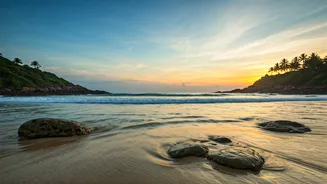
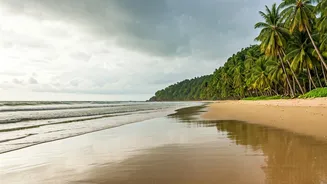
This luxury isn't measured in thread counts or Michelin stars, but in quiet mornings, empty shorelines, and the simple pleasure of hearing the waves without interruption. It’s about trading the chaotic markets for a peaceful walk through a spice plantation and swapping crowded bars for a quiet evening watching the sunset over a sleepy river. This shift towards 'slow travel' invites you to experience Goa more like a local and less like a tourist, finding richness in authenticity and connection rather than just consumption.
The Southern Sanctuaries
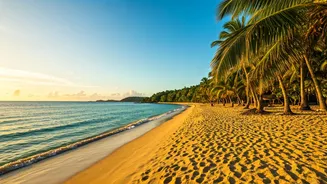
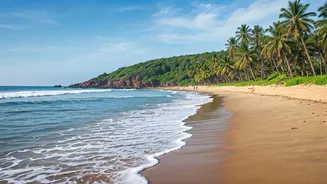
When seeking tranquility, the immediate answer is almost always South Goa. This region is geographically and spiritually miles away from the high-energy North. The beaches here are cleaner, wider, and significantly less crowded. Agonda Beach is a prime example, a long stretch of sand perfect for relaxation and protected as a nesting site for Olive Ridley turtles, which keeps commercialisation at bay. Further south, Talpona and Galgibaga beaches offer an even more raw and remote experience, where fishermen's boats and palm trees are the main sights. For couples or those seeking a touch of secluded luxury, Cola Beach, with its unique freshwater lagoon just behind the shore, is a hidden gem. Even more developed beaches like Colva and Benaulim offer peaceful mornings and a calmer vibe than their northern counterparts.
Embrace the Monsoon Magic
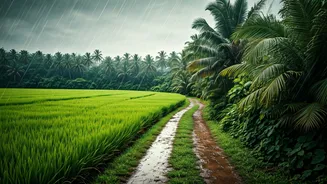
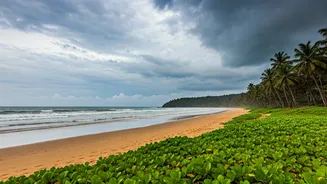
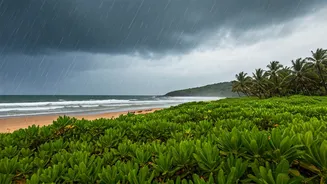
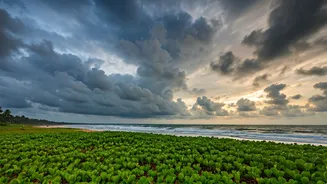
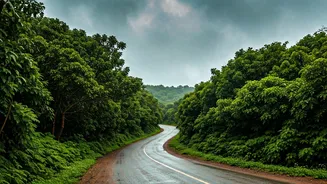
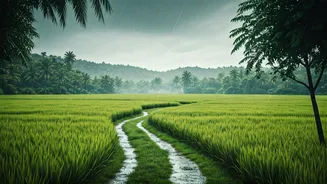
The ultimate hack for an uncrowded Goa is to visit during the off-season, which primarily means the monsoon months from June to September. This is when the state transforms into a lush, green paradise. The rains wash the dust away, leaving behind vibrant landscapes, from verdant paddy fields to flourishing spice plantations. While many beach shacks are closed and swimming in the choppy sea is not advised, the benefits are immense: fewer crowds, dramatic stormy skies, and significant discounts on flights and luxury hotels. Waterfalls like Dudhsagar are at their most majestic during this time. Driving on empty, rain-washed roads becomes a pleasure in itself, offering a serene experience of Goa's natural beauty at its peak.
Exploring the Hinterlands: Beyond the Beach
Goa's soul truly resides in its hinterlands, away from the coast. The state’s interior is a tapestry of history, culture, and nature. Explore the quiet, sleepy Divar Island, accessible only by ferry, which feels like a step back in time with its single-lane roads and old temples. Visit a spice plantation like Sahakari or Tropical Spice Plantation for a guided tour and an authentic Goan meal. The Latin Quarter of Fontainhas in Panjim offers a cultural deep-dive with its colourful Portuguese-era houses and winding lanes. For nature lovers, the Salim Ali Bird Sanctuary on Chorão Island provides a chance to kayak through mangrove forests, while the Bhagwan Mahavir Wildlife Sanctuary offers trekking trails and a glimpse of diverse fauna. These experiences reveal a Goa that is rich in heritage and deeply connected to its natural environment.
The Rise of Responsible Travel
This quest for a quieter Goa aligns perfectly with the growing movement towards sustainable and responsible tourism. The focus is shifting from mass tourism to more mindful travel that benefits local communities and preserves the environment. This involves choosing eco-friendly accommodations, many of which are built with local materials and employ practices like rainwater harvesting. It means engaging with local hosts, bakers, and artisans to ensure tourism revenue supports the community directly. Initiatives like the Responsible Tourism Collective of Goa are making it easier for travellers to find and support ethical businesses, from heritage tours to wildlife experiences. By travelling this way, you not only enjoy a more authentic experience but also contribute to the preservation of Goa's unique culture and natural beauty for the future.