






A Pinched Purse at the Kirana Store
The familiar story of rising food prices has taken a sharp turn in recent months. In May 2026, India's food inflation rate climbed to 4.8%, the highest in 16 months, contributing to a general retail inflation of 3.9%. This isn't just a statistic; it's
the tangible experience of paying more for essential food items. For the average family, this translates into difficult choices and tighter budgets. This persistent inflation is increasingly tied to a factor that feels both immense and intimate: the performance of the southwest monsoon. As economists and policymakers watch the skies with bated breath, the annual rains have transformed from a meteorological event into a critical economic indicator for every Indian household.
The Rain-Fed Engine of Our Economy
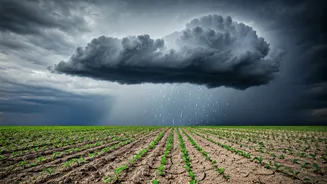
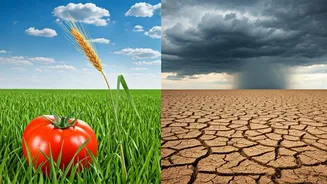
To understand why a weather forecast can sway your kitchen budget, it is important to look at the Kharif season. This summer sowing period, which coincides with the monsoon, is the backbone of India's food production, contributing nearly half of the country's annual grain output. Key staples like rice, pulses, oilseeds, cotton, and sugarcane are heavily dependent on monsoon rains. Despite decades of progress, nearly half of India’s cultivated land remains rain-fed, making it highly vulnerable to the whims of the weather. A strong, well-distributed monsoon means ample soil moisture, healthy crop growth, and robust yields. Conversely, a weak or erratic monsoon can delay sowing, damage crops, and reduce output, creating a direct ripple effect that leads to higher prices at the market.
The Alarming Forecast for 2026
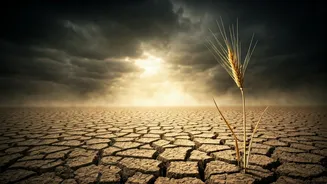
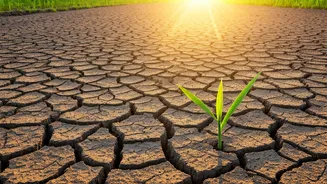
This year, the forecasts are a cause for concern. The India Meteorological Department (IMD) has projected a “below normal” monsoon for July, the most critical month for Kharif sowing. This comes after one of the driest Junes on record in over a decade, with a rainfall deficit of nearly 40%. The primary reason cited is the strengthening of El Niño conditions in the Pacific Ocean, a climate pattern historically linked to weaker monsoons in India. This double blow of a poor start and a weak forecast for the crucial mid-season has raised red flags, delaying the sowing of key crops and increasing uncertainty for the agricultural sector. The Reserve Bank of India has explicitly warned that an adverse monsoon could weigh heavily on the country's growth and inflation dynamics.
More Than Just Crops and Food Prices
The monsoon's influence extends far beyond the farm. The rains are vital for replenishing the country's reservoirs, which supply water for drinking, industry, and winter (Rabi) crop irrigation. As of late June 2026, reservoir levels in some parts of eastern and southern India were already below normal, increasing the stakes for a good monsoon. Lower reservoir levels can lead to water scarcity and increase the cost of power generation. Furthermore, a weak monsoon dampens the rural economy. Lower farm incomes lead to reduced spending on everything from tractors and two-wheelers to consumer goods, creating a slowdown that affects multiple industries. Thus, a poor monsoon doesn't just mean costlier food; it signifies a potential drag on the entire national economy.
Watching the Clouds, and the Budget
As the monsoon progresses through July and August, its performance will be closely monitored by everyone from farmers to the finance ministry. The government has tools to manage food inflation, such as releasing buffer stocks of grains and managing imports, but these measures are often reactive. For now, households are on the front lines, directly feeling the impact of climate variability on their cost of living. The coming weeks will determine whether the monsoon can recover or if the initial fears of a dry spell will translate into sustained pressure on food prices. The forecast is no longer an abstract prediction; for millions, it's a personal financial statement waiting to be written.