

The Golden Spice: Turmeric
A staple in every Indian kitchen, turmeric (haldi) is a powerhouse of health benefits, especially during the rainy season. Its active compound, curcumin, has potent anti-inflammatory, antioxidant, and antibacterial properties. Regular consumption can
significantly boost your immune system, helping your body fight off the common infections that are rampant during this time. It also supports good gut health, which is often compromised during the monsoon. A warm glass of 'haldi doodh' before bed is a timeless remedy for soothing a sore throat and preventing illness. You can also be generous with its use in dals, curries, and vegetable preparations to keep your defences strong.
The Warming Root: Ginger
Ginger is another indispensable kitchen ingredient that truly shines during the monsoon. Known for its ability to fight colds, coughs, and flu, it has powerful anti-inflammatory and antibacterial effects. A cup of hot ginger tea is not just comforting on a rainy day; it actively helps strengthen your immune response and aids digestion, which tends to be sluggish in the humid weather. You can add grated ginger to soups, teas, and meals to harness its warming and healing properties. For an added digestive boost, Ayurveda suggests chewing a small piece of ginger with rock salt before meals.
The Pungent Protector: Garlic
Garlic's strong flavour and aroma come from its rich sulfur compounds, which are also responsible for its impressive health benefits. It is known for its antiviral and antibacterial properties, making it an excellent addition to your monsoon diet to help protect against infections. Allicin, a key compound in garlic, enhances the immune response of your white blood cells, particularly against viruses that cause the common cold and flu. To get the most benefit, it's best to consume garlic crushed or chopped. Adding it to your everyday cooking not only enhances taste but also acts as a shield for your body.
Gut-Friendly Probiotics: Curd and Buttermilk
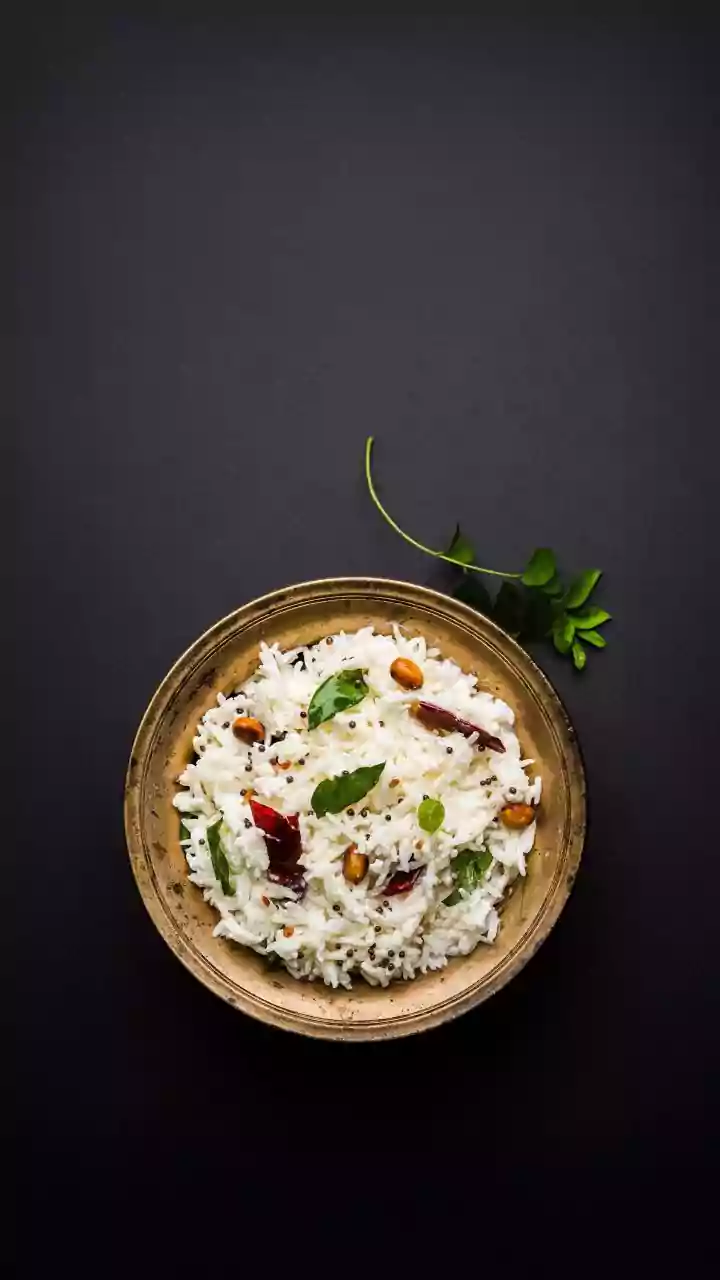
The health of your gut is directly linked to your immunity. The monsoon season can be tough on the digestive system, making it essential to include probiotics in your diet. Freshly made curd (dahi) and buttermilk (chaas) are excellent natural sources of 'good bacteria' that help maintain a healthy gut flora and fight off harmful pathogens. These foods can prevent common monsoon-related stomach issues and improve nutrient absorption. While curd is great, buttermilk is often considered even better during this season as it is lighter and easier to digest. A glass of spiced chaas after a meal can aid digestion and reduce bloating.
Embrace Seasonal Fruits
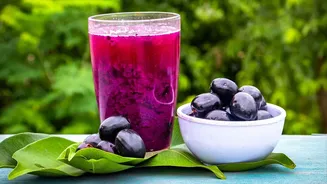
Nature provides the right foods for every season. Monsoon fruits like Jamun (black plum), pears, pomegranates, and papaya are packed with essential vitamins, fibre, and antioxidants. These fruits help boost immunity and aid digestion. Pomegranate, for example, is known for its antiviral properties and is rich in antioxidants that support overall health. Jamun is an excellent source of iron, folate, and potassium. Similarly, papaya is rich in Vitamin C, another powerful immunity booster. It’s best to consume fresh, seasonal fruits and avoid pre-cut fruits from vendors to prevent contamination.
Well-Cooked Leafy Greens and Gourds
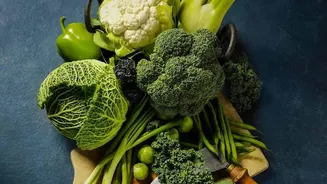
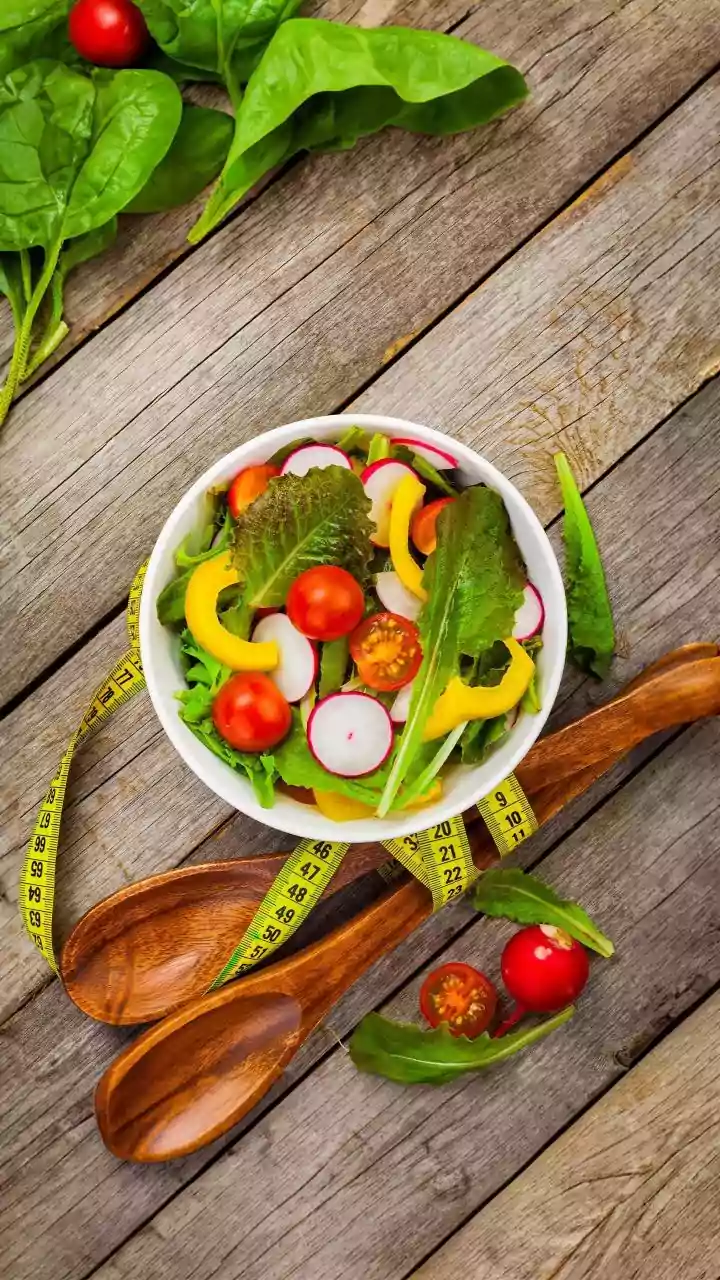
While raw salads are generally best avoided during the monsoon due to the higher risk of contamination, cooked leafy greens like spinach and fenugreek are highly beneficial. They are rich in vitamins A and C, which are crucial for a strong immune system. It's important to wash them thoroughly before cooking. In addition, seasonal vegetables like bottle gourd (lauki), bitter gourd (karela), and ridge gourd are excellent choices. They are light on the digestive system and packed with nutrients that help your body stay healthy during the damp weather.