





Why Create a Nature Patch?
In expanding cities, green spaces are shrinking, which puts pressure on urban wildlife. Small-scale gardening efforts, like those on balconies, are becoming crucial for creating 'green corridors' that connect fragmented habitats. These patches provide
food and shelter for birds, bees, and butterflies, which are essential pollinators for many plants, including food crops. Beyond the ecological benefits, these green corners offer a slice of nature that promotes mental well-being, reduces stress, and provides a tangible connection to the environment. For many, the sight of a sunbird sipping nectar from a hibiscus or a butterfly visiting a marigold is a joyful reward.
The Best Plants for Indian Balconies
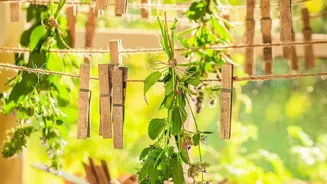
The key to a successful nature patch is choosing the right plants. Native species are ideal because they are adapted to local climates, require less water, and are exactly what local wildlife is looking for. Bright, nectar-rich flowers are a must. Hibiscus is a fantastic choice, as its large, colourful blooms are a magnet for nectar-feeding birds like sunbirds. Marigolds, available in vibrant yellows and oranges, attract bees and butterflies while also acting as a natural pest repellent. Fragrant flowers like Jasmine and Mogra not only perfume the air but also attract moths and other nocturnal pollinators. Allowing herbs like Tulsi (Holy Basil) and mint to flower provides a valuable nectar source for countless tiny insects.
Attracting Birds to Your Balcony
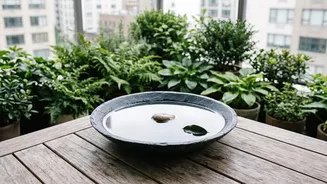
To make your balcony a haven for birds, you need to offer more than just flowers. Consider plants that provide food in the form of seeds or berries. Sunflowers, for example, produce abundant seeds enjoyed by sparrows and finches once the flowers fade. Some plants provide shelter; the dense, thorny branches of a Bougainvillea offer a safe place for small birds to rest and nest, protected from predators. A crucial element is providing a source of fresh water. A simple, shallow dish of water can serve as a bird bath for drinking and preening. Ensure the dish is not too deep, and place a stone in the middle to give smaller birds a safe perch. Maintaining clean water is vital for preventing the spread of disease.
Supporting Butterflies and Bees
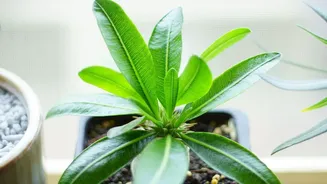
Creating a butterfly-friendly space involves thinking about their entire life cycle. One expert recommends planting 'host plants', which are species that butterflies use to lay their eggs. For example, the Curry Leaf plant (Kadi Patta) is a host for the Common Mormon butterfly. Other great choices for attracting butterflies and bees include Ixora, with its dense clusters of tiny, nectar-filled flowers, and Cosmos. To make your garden truly supportive, it is essential to avoid chemical pesticides. These can be harmful not just to pests but to the beneficial insects you are trying to attract. A garden that allows for a little 'wildness', such as letting some leaves remain on the soil, can also create micro-habitats for beneficial insects.
Small Space, Big Impact
You don't need a large terrace to make a difference. Even a small window box or a few well-chosen pots can become a vital pit stop for urban pollinators. The combined effect of thousands of these mini-gardens across a city creates a network of resources that helps sustain local biodiversity. It's a powerful demonstration of how individual actions can contribute to a larger ecological solution. By turning a small patch of personal space into a thriving habitat, urban residents are not just beautifying their homes but are also actively participating in the conservation of nature in their own backyards.