






Turmeric (Haldi)
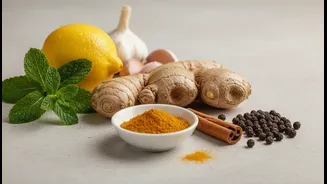
This golden spice is a monsoon powerhouse. Its active compound, curcumin, has potent anti-inflammatory and antioxidant properties that help bolster your immune system against seasonal bugs. Adding a pinch to your milk, dals, or vegetable preparations
is an easy way to incorporate its benefits. For better absorption, always pair it with a little black pepper.
Ginger (Adrak)
A staple in Indian kitchens, ginger becomes almost medicinal during the rainy months. It is excellent for digestion, which tends to be sluggish during this season. Ginger helps soothe sore throats, combat nausea, and its anti-inflammatory properties can help fight off colds and flu. A warm cup of ginger tea is both a comforting ritual and a health booster.
Garlic (Lehsun)
Known for its strong antibacterial and antiviral properties, garlic is a fantastic ingredient to increase your defense against common monsoon infections. Incorporating it into your daily cooking, especially in soups, dals, and stir-fries, can help strengthen your immune response. It is most potent when crushed or chopped and left for a few minutes before cooking.
Black Pepper (Kali Mirch)
More than just a seasoning, black pepper has antibacterial properties and is a great digestive aid. It helps alleviate chest congestion and clears up sinuses, common issues during the damp monsoon weather. Crucially, it enhances the absorption of curcumin from turmeric, making the two a powerful combination for immunity.
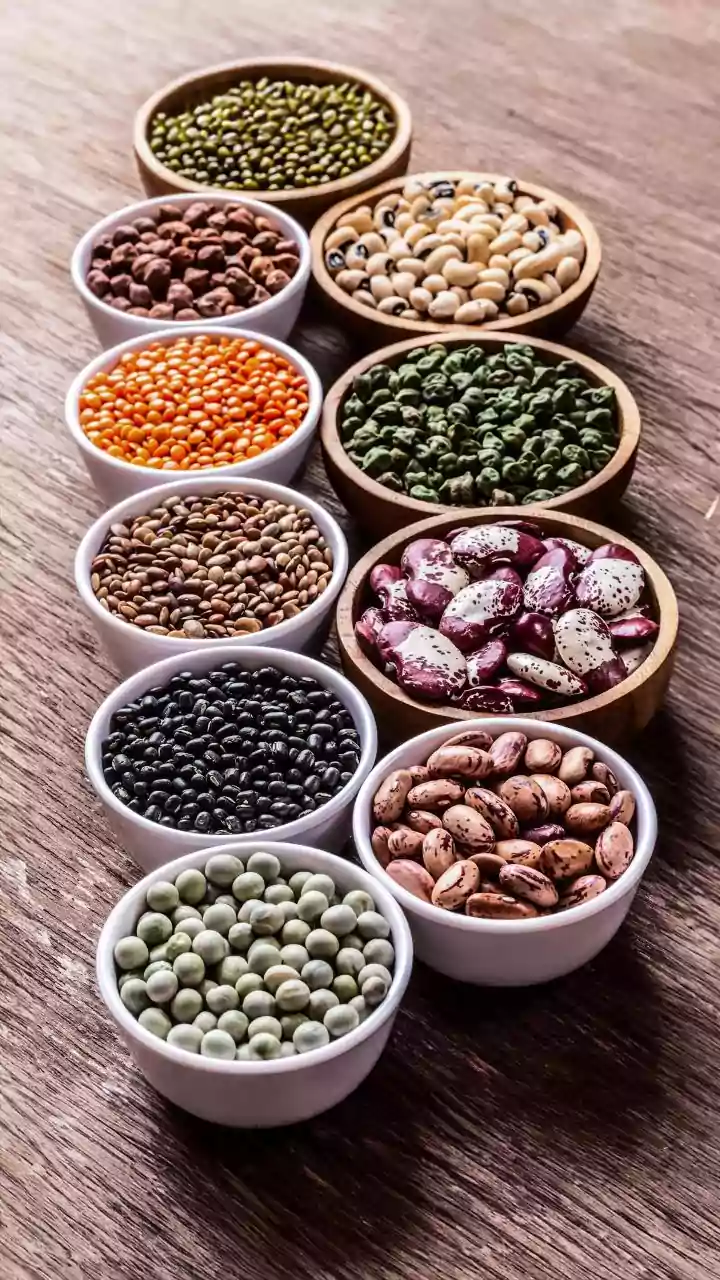
Moong Dal
When digestion feels weak, moong dal is the go-to recommendation from doctors and mothers alike. It is incredibly light on the stomach, easy to digest, and provides high-quality plant-based protein. A warm bowl of khichdi made from moong dal and rice is the ultimate comfort food that nourishes without burdening your system.
Gourds (Lauki, Turai)
Vegetables like bottle gourd (lauki), ridge gourd (turai), and bitter gourd (karela) are excellent choices for the monsoon. They are rich in fibre, have high water content, and are easy to digest. Unlike leafy greens that can harbour germs in this season, these vegetables are considered safer and help keep the digestive system running smoothly.
Probiotics (Dahi)
A healthy gut is the foundation of strong immunity. Fresh, homemade curd (dahi) or buttermilk (chaas) is packed with probiotics, the good bacteria that support gut health. However, Ayurveda suggests consuming it during the day and avoiding it at night during monsoons. Adding a pinch of roasted cumin or black pepper can help balance its cooling properties.
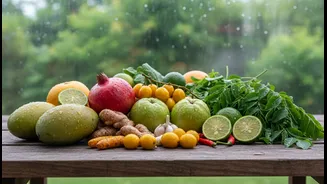
Pomegranate (Anar)
This seasonal fruit is rich in antioxidants and Vitamin C, both of which are vital for a strong immune system. Pomegranates are known to have anti-inflammatory properties and can help increase haemoglobin levels. They are a much safer bet than pre-cut fruits from street vendors, which pose a higher risk of contamination during this season.
Amla (Indian Gooseberry)
Amla is one of the most potent natural sources of Vitamin C, containing significantly more than an orange. This antioxidant powerhouse is brilliant for building immunity and aiding digestion. You can have it as a fresh fruit, juice, or in preserved forms like murabba or powder. Its sourness is a great addition to the monsoon diet.
Pumpkin Seeds (Kaddu Ke Beej)
Don't throw away these little seeds. They are a fantastic source of zinc, a mineral crucial for the proper functioning of immune cells. A handful of roasted pumpkin seeds can be a nutritious snack that keeps you full and away from unhealthy fried temptations. They are also rich in magnesium and healthy fats.