
An Offering Fit for a God
The story of the peda is inseparable from Mathura's identity as the sacred birthplace of Lord Krishna. The entire region, known as Braj, is steeped in tales of Krishna's childhood, which are filled with references to milk, butter, and curd. He is famously
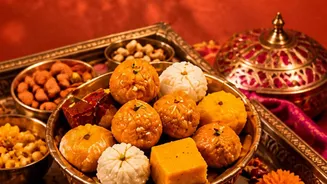
called 'Makhan Chor' or the butter thief. This deep-rooted dairy culture created the perfect environment for milk-based sweets to flourish. Legend holds that peda was a favourite of the young Krishna, and it has since become one of the most common religious offerings, or 'prasad', in the temples of Mathura and Vrindavan. This divine association elevates the peda from a simple confection to a symbol of faith and devotion, a blessed food to be shared among devotees.
The Art of the Perfect Peda
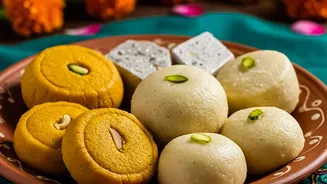
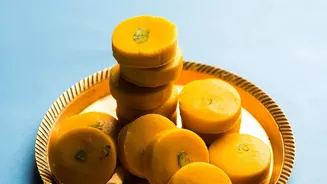
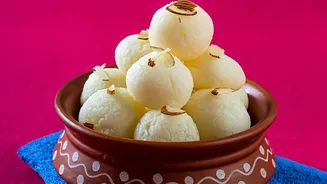
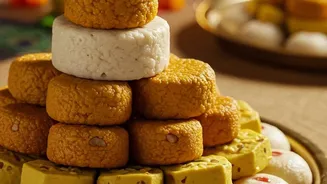
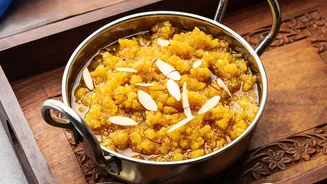
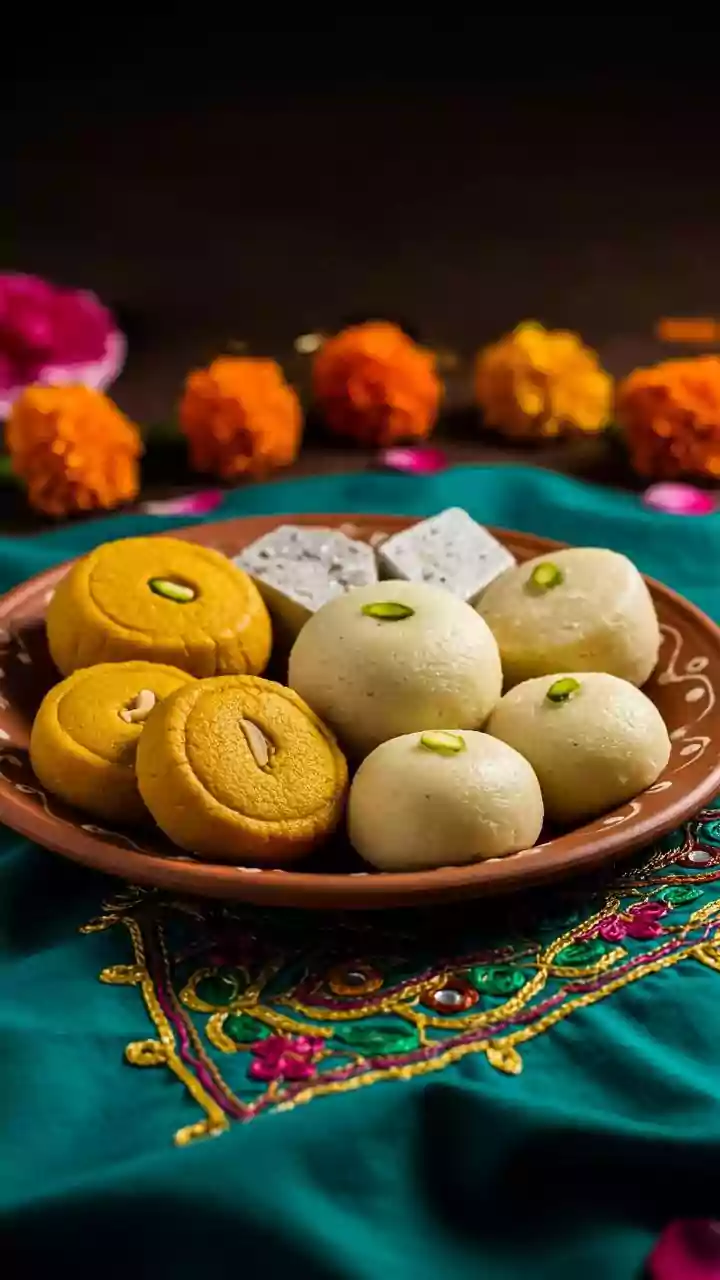
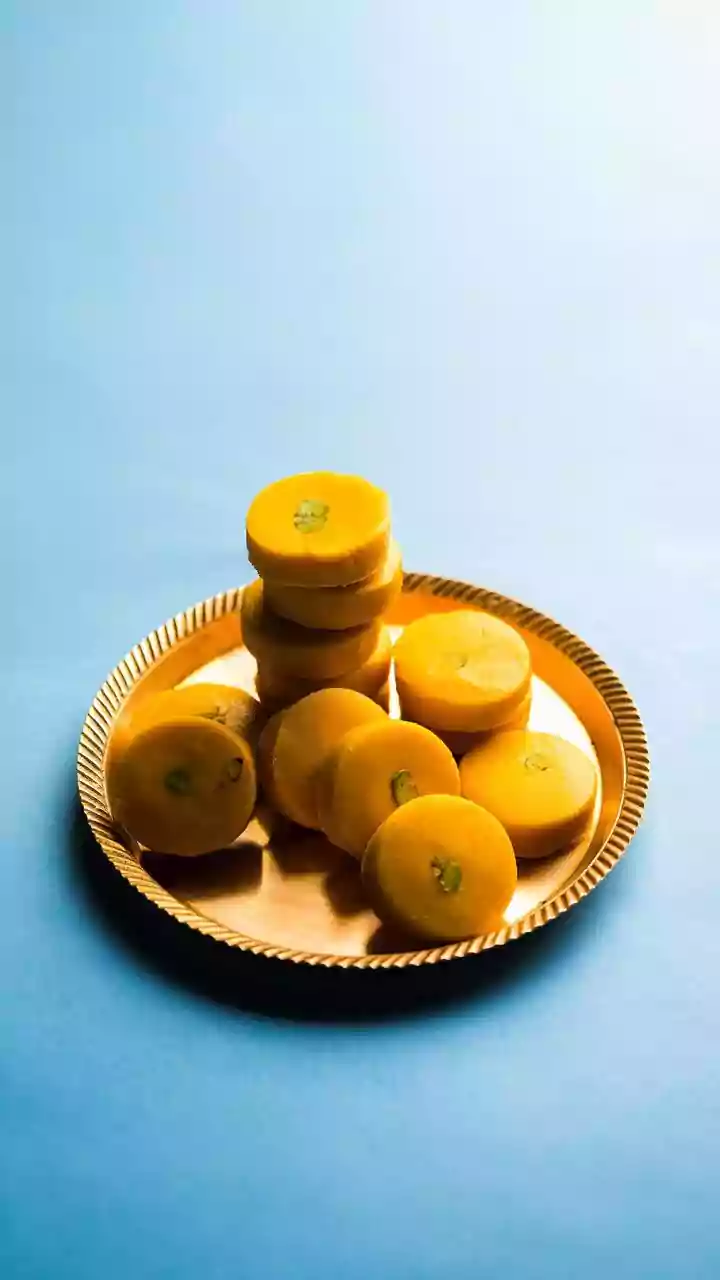
Not all pedas are created equal, and the Mathura variety has a distinct character that sets it apart. The secret lies in its preparation. The process starts with khoya (also called mawa), which is made by slowly simmering pure milk in a large pan until most of the water evaporates, leaving behind crumbly milk solids. What makes the Mathura peda special is the next step: this khoya is roasted patiently, often with ghee, until the milk sugars caramelise and turn a signature golden-brown colour. This roasting process gives the sweet its distinctive grainy texture and a deep, nutty flavour that is more caramel than fresh cream. Finally, sugar and a hint of cardamom are worked into the mixture, and the pedas are shaped into discs, often rolled in a special powdered sugar called 'tagar' or 'bura'.
From Temple to Town Square
While its origins are tied to temple offerings, the peda's journey to becoming a city-wide phenomenon was driven by local enterprise. Over generations, the art of peda-making moved from temple kitchens into the hands of local confectioners, known as 'halwais'. These families perfected their own recipes, turning the preparation into a celebrated cottage industry. The name 'Mathura ka Peda' itself became a brand, a fixed phrase synonymous with quality that even appears in folk songs and proverbs. The bustling lanes near the city's main temples, like Dwarkadhish, became hubs for sweet shops, each selling their version of the iconic treat and cementing its status as an integral part of the city’s culinary landscape.
The Birth of the Edible Souvenir
The final step in the peda's rise to fame was its transformation into a food souvenir. Mathura is one of Hinduism's seven sacred cities, drawing millions of pilgrims and tourists each year. These visitors, having enjoyed peda as prasad from the temples, naturally wanted to take a piece of their spiritual journey home with them. Unlike many other milk sweets, the specific way Mathura peda is made—by cooking down the milk solids so thoroughly—gives it a longer shelf life. This durability made it the perfect, portable memento. Carrying a box of pedas from Mathura became a tradition, a way for visitors to share the blessed taste of Krishna's holy city with family and friends back home. This practice solidified its reputation not just as a local delicacy, but as a must-buy souvenir for anyone visiting the region.