








What is Mindful Spinal Movement?
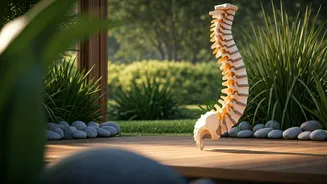
Forget high-intensity interval training or heavy weightlifting for a moment. Mindful spinal movement is a gentle, deliberate practice that focuses on the health and mobility of your backbone. It's a fusion of principles from yoga, Pilates, and physiotherapy,
emphasizing slow, controlled movements like twists, flexions, and extensions. The 'mindful' aspect is key; it’s about paying close attention to the sensations in your body, connecting your breath to each motion, and moving with intention rather than for speed or intensity. This practice isn't about pushing your limits but rediscovering your body's natural range of motion and releasing tension stored deep within the muscles and connective tissues surrounding your spine.
The Modern Antidote to 'Desk Spine'
Our modern lifestyles are notoriously hard on our backs. Hours spent hunched over laptops, peering at mobile phones, or sitting in cars create what’s often called 'desk spine'—a state of chronic stiffness, poor posture, and persistent aches. This sedentary posture causes the muscles in our back to weaken and the vertebrae in our spine to compress, leading to pain and reduced flexibility. Mindful spinal movements act as a direct countermeasure. By gently mobilizing each segment of the spine, these exercises help to decompress the vertebrae, hydrate the spinal discs, and re-educate the muscles that support good posture. It’s like hitting a reset button for your back after a long day of inactivity.
Benefits Beyond Back Pain Relief
While easing back pain is a primary benefit, the positive effects don't stop there. Regular practice can lead to significantly improved posture, making you stand taller and move with more grace. Increased spinal flexibility translates to better overall mobility, reducing the risk of injury during other physical activities. Furthermore, the mindful connection between breath and movement is a powerful tool for stress reduction. It calms the nervous system, lowers cortisol levels, and brings a sense of mental clarity and peace. Many participants report better sleep, improved digestion, and a greater sense of body awareness and confidence.
The Power of an Open Air Setting
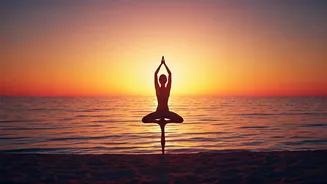
The trend of moving these sessions outdoors to parks and public spaces—what many are calling 'open air hubs'—adds another layer of benefits. Exercising in nature has been scientifically shown to boost mood and reduce feelings of anxiety. The fresh air provides better oxygenation, while exposure to natural sunlight helps the body produce Vitamin D, crucial for bone health. There's also a powerful community aspect. Practicing alongside others in a relaxed, non-competitive environment fosters a sense of connection and shared purpose, making it easier to stay motivated and consistent with the routine.
Two Simple Moves to Start Today
You don't need to wait for a class to begin. Here are two simple, effective movements you can do at home: 1. **Cat-Cow Stretch (Marjaryasana-Bitilasana):** Start on your hands and knees with your wrists under your shoulders and knees under your hips. As you inhale, drop your belly towards the floor and look up, arching your back (Cow). As you exhale, round your spine towards the ceiling, tucking your chin to your chest (Cat). Flow between these two poses for 10 breaths, moving with your breath. 2. **Seated Spinal Twist (Ardha Matsyendrasana variation):** Sit on the floor with your legs extended. Bend your right knee and place your right foot on the outside of your left thigh. Place your right hand on the floor behind you for support. Inhale to lengthen your spine, and exhale to twist your torso to the right, hooking your left elbow on the outside of your right knee. Hold for 5 breaths, then repeat on the other side. This gently massages your internal organs and mobilises your thoracic spine.