


From Blank Slides to Bespoke Art
For decades, creating a visually appealing presentation was a significant hurdle for students. The process often involved spending hours searching for 'good enough' images, struggling with clunky design software, and ending up with slides overloaded with text.
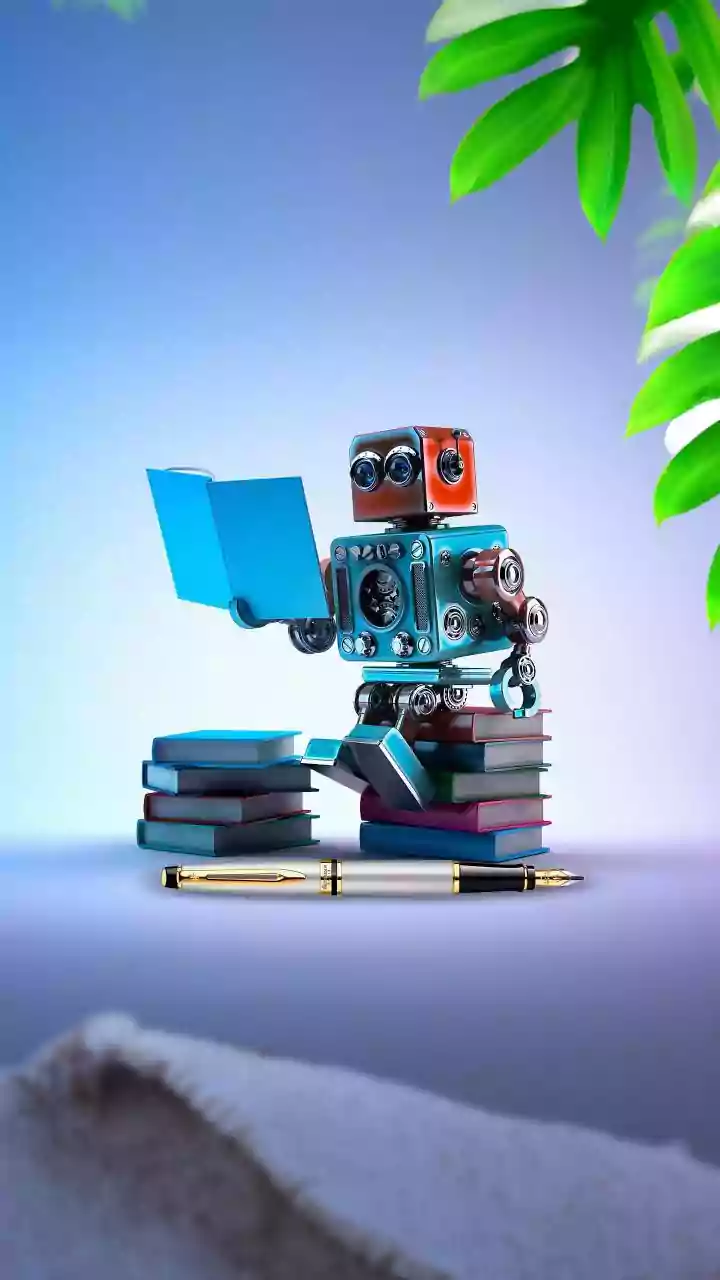
The result was often a presentation that buried good ideas under poor design. Now, generative AI tools are changing the game entirely. With simple text prompts, students can create custom images that perfectly match their topic, whether it's a depiction of a historical event, a visualisation of a complex scientific concept, or an abstract representation of a literary theme. This shift allows them to move from being content curators to content creators, transforming a once-tedious task into an act of creative expression.
The New AI-Powered Toolkit
A growing ecosystem of AI tools is making this possible. Text-to-image generators like Midjourney and DALL-E, and integrated design platforms like Canva and Microsoft Designer, are becoming as essential as word processors. Many students are also using specialised AI presentation makers that can generate an entire slideshow, complete with text summaries and visuals, from a single document or prompt. These tools don't just find images; they create them based on the user's specific instructions. For example, a student can ask for an image of 'a bustling marketplace in ancient Harappa in a photorealistic style' and receive a unique visual in seconds, something that was previously impossible without advanced artistic skills or extensive searching.
Enhancing Storytelling and Understanding
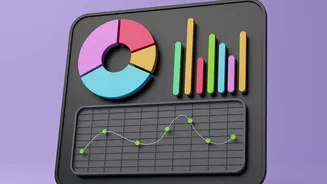
This newfound ability is about more than just making slides look pretty. It's about enhancing communication and deepening understanding. When students can create precise visuals, they are better able to tell a compelling story and explain complex ideas. Instead of describing a biological process with words alone, they can generate a series of diagrams to illustrate it step-by-step. Instead of relying on a grainy, black-and-white photo from a textbook, they can produce a vibrant, detailed scene. This process forces students to think more critically about how to best represent their ideas visually, turning them into more effective communicators. Educators note that this can lead to more engaging and memorable presentations for the entire class.
Navigating a New Academic Landscape
The rise of AI-generated content also introduces new challenges, particularly concerning academic integrity. Educators and institutions are grappling with how to define originality when a student's 'art' is created in collaboration with an algorithm. In India, universities are beginning to establish guidelines. The University Grants Commission (UGC) has indicated that unacknowledged use of AI can be treated as plagiarism, especially in research theses. Many institutions are adopting policies that require students to disclose their use of AI tools, framing them as assistants rather than creators of the core intellectual work. The key distinction often made is between using AI as a tool to augment one's own ideas versus using it to replace the thinking process altogether.
Developing Future-Ready Skills
Ultimately, this trend is reshaping the skills students need to succeed. The focus is shifting from manual design skills to prompt engineering—the art of crafting precise instructions for an AI to get the desired output. More importantly, it requires critical thinking. Students must evaluate the AI's output, check for inaccuracies (as AI can 'hallucinate' or produce incorrect information), and decide how the visual elements support their argument. Rather than making students less creative, proponents argue that using AI responsibly fosters a new kind of creativity, one that blends human ideas with machine execution. It prepares them for a modern workforce where collaborating with AI is becoming a fundamental competency.