




The Health-Conscious Cart
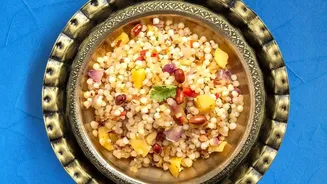
The single biggest driver of change is a collective move towards healthier eating. Consumers are consciously looking for foods that offer functional benefits beyond just taste. This has led to a rediscovery of traditional Indian grains like millets (jowar,
bajra, ragi), which are now appearing in everything from breakfast cereals and dosa mixes to cookies and crackers. They are being chosen over refined flour staples as shoppers become more aware of the importance of fibre and whole grains. This shift is also visible in the dairy aisle, where high-protein Greek yoghurt is gaining ground on traditional sweetened yoghurts. The focus is on “better-for-you” alternatives, with a 2026 survey revealing that 86% of respondents considered protein an important factor when choosing snacks. This growing health consciousness is fuelling a market for wellness foods that is expanding rapidly.
The Convenience Revolution: Shopping in Minutes
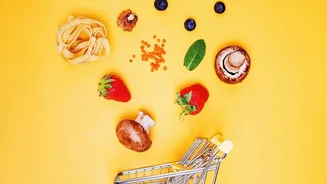
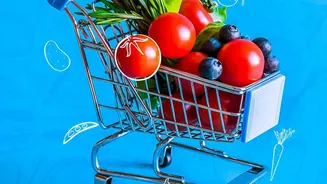
Perhaps the most disruptive change has been in how Indians buy groceries. The rise of quick commerce platforms has transformed grocery shopping from a weekly chore into an on-demand service. Companies like Blinkit, Swiggy Instamart, and Zepto have built extensive networks of 'dark stores', enabling deliveries in under 10 or 30 minutes. This segment is growing at a phenomenal rate, outpacing overall digital commerce growth in 2026. Groceries and staples make up the largest share of quick commerce orders, accounting for over 60% of the market. This isn't just about speed; it's about convenience for time-poor urban households. The trend is expanding beyond metros into Tier-II and Tier-III cities, making it a nationwide phenomenon.
A Global Palate in an Indian Kitchen
As Indians travel more and engage with global cultures online, their palates are becoming more adventurous. This curiosity is directly reflected in their shopping carts. There's a growing demand for international ingredients that allow people to replicate global cuisines at home. Supermarket shelves now feature everything from Italian olive oils and cheeses to Korean gochujang and Japanese miso. This trend is supported by an increasing number of international food brands entering the Indian market and domestic companies launching global food ranges. What’s interesting is that these ingredients are not replacing traditional items but are being integrated into daily cooking, creating a unique fusion in modern Indian kitchens.
The Plant-Based Push
While India has a strong tradition of vegetarianism, a new, more defined plant-based movement is gaining momentum. Driven by a mix of health, environmental, and ethical concerns, consumers are exploring vegan and plant-based alternatives to dairy and meat. The plant-based food market in India is projected to grow significantly, transitioning from a niche segment to a mainstream category. Plant-based dairy, including almond, soy, and oat milk, is leading this charge, holding the largest market share. These products are becoming common in cafes and homes, particularly among lactose-intolerant and health-conscious consumers. Brands are also innovating to create plant-based meats and snacks with familiar Indian flavours to improve consumer acceptance.
Ready-to-Eat Meets Home-Style Taste
The demand for convenience has also fueled a boom in the ready-to-eat (RTE) and ready-to-cook (RTC) categories. Driven by busy urban lifestyles, nuclear families, and a growing student population, these products have moved from being emergency backups to everyday meal solutions. The market now offers everything from retort-pouched dals and curries to freeze-dried meals that require only hot water. Crucially, the quality and taste of these products have improved significantly, with brands focusing on preservative-free options and authentic, home-style flavours to win consumer trust. This category is one of the fastest-growing in the Indian food sector, proving that convenience is king, but only if it doesn't compromise on taste.