


Start With Your Breath
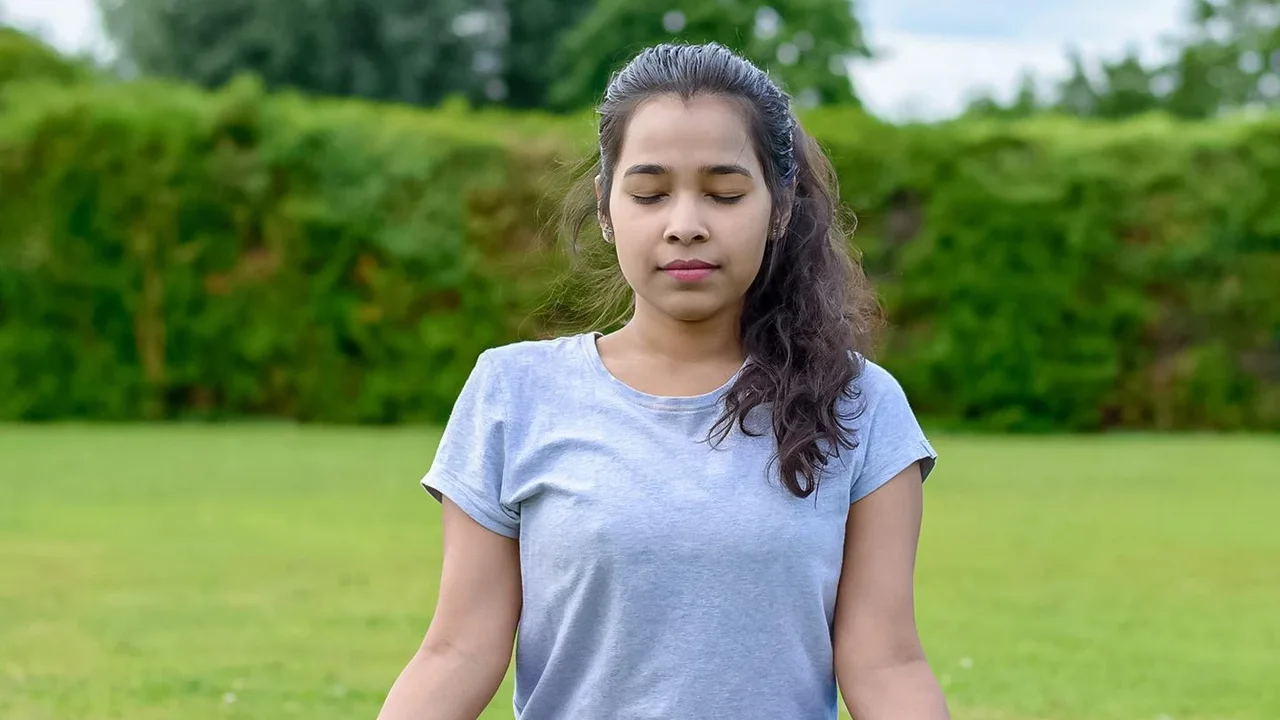
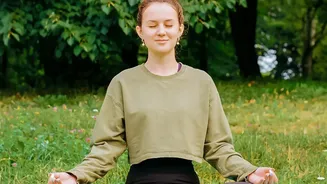
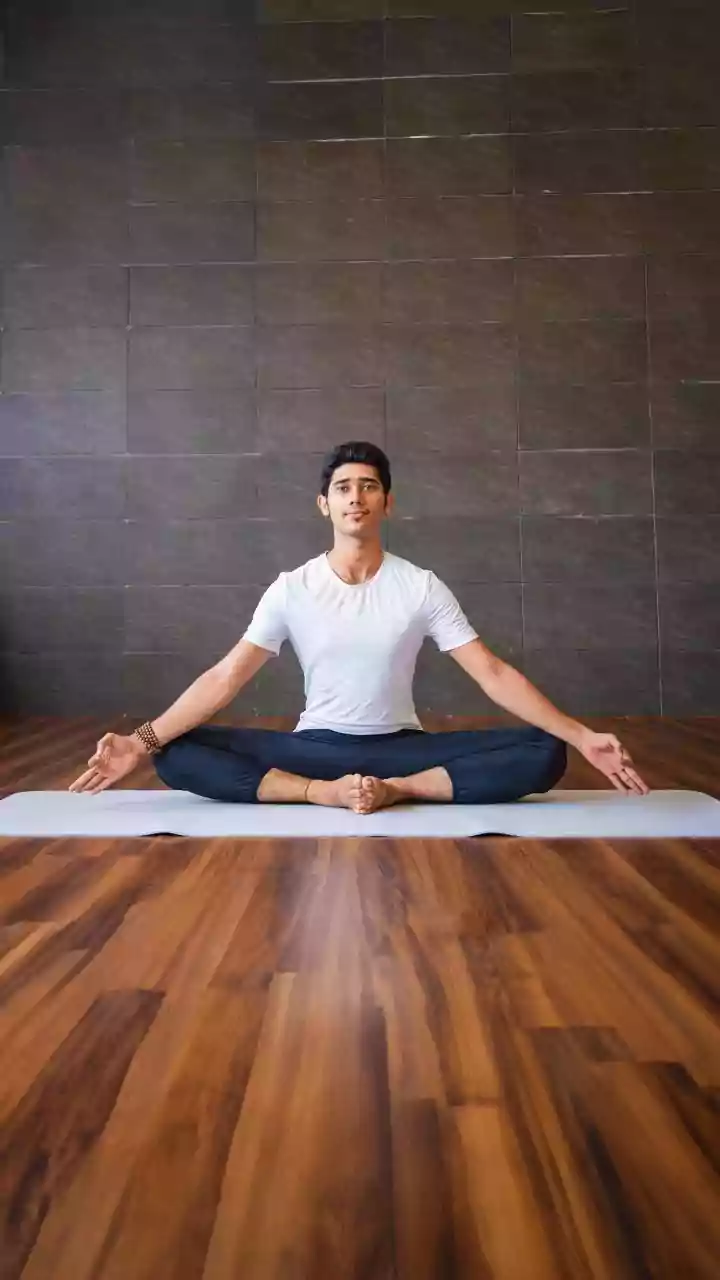
Before jumping into poses, the most crucial tool is your breath. Mindful breathing can instantly calm your nervous system. Try 'Belly Breathing': Sit comfortably, place one hand on your chest and the other on your belly. Breathe in slowly through your nose
for four counts, feeling your belly expand like a balloon. Hold for a moment, then exhale slowly through your nose for four counts, feeling your belly gently contract. Repeating this for just one minute between study sessions can significantly lower stress levels and clear your mind for what's next.
Child’s Pose (Balasana) for Instant Calm
When you feel overwhelmed, Child's Pose is your go-to for immediate relief. Kneel on the floor, touch your big toes together, and sit back on your heels with your knees wide apart. Fold forward, resting your torso between your thighs and your forehead on the floor. You can stretch your arms out in front of you or rest them alongside your body. This pose gently stretches the back and hips, quiets the mind, and encourages a feeling of safety and relaxation, making it perfect for when exam pressure feels like too much.
Cat-Cow Stretch (Marjaryasana-Bitilasana) to Release Tension
Hours spent hunched over books can create tension in your back and neck. The Cat-Cow stretch is a gentle, flowing movement that helps relieve it. Start on your hands and knees. As you inhale, drop your belly, open your chest and look up (Cow Pose). As you exhale, round your spine toward the ceiling, tucking your chin to your chest (Cat Pose). Linking your breath with this movement not only stretches the spine but also helps synchronize your body and mind, promoting a state of calm focus.
Tree Pose (Vrikshasana) to Sharpen Your Focus
Struggling to concentrate on a single topic? Tree Pose can train your brain to stay present. Stand tall and shift your weight onto one foot. Place the sole of your other foot on your ankle, calf, or inner thigh, avoiding the knee joint. Bring your hands together in front of your chest. Pick a non-moving spot in front of you to fix your gaze on, which is called a 'drishti.' Holding a balancing posture requires complete concentration, which directly trains your mind to ignore distractions and improve your attention span for longer study periods.
Seated Forward Bend (Paschimottanasana) to Soothe Nerves
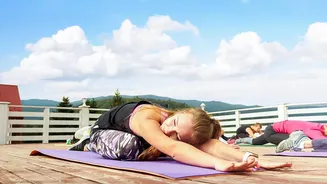
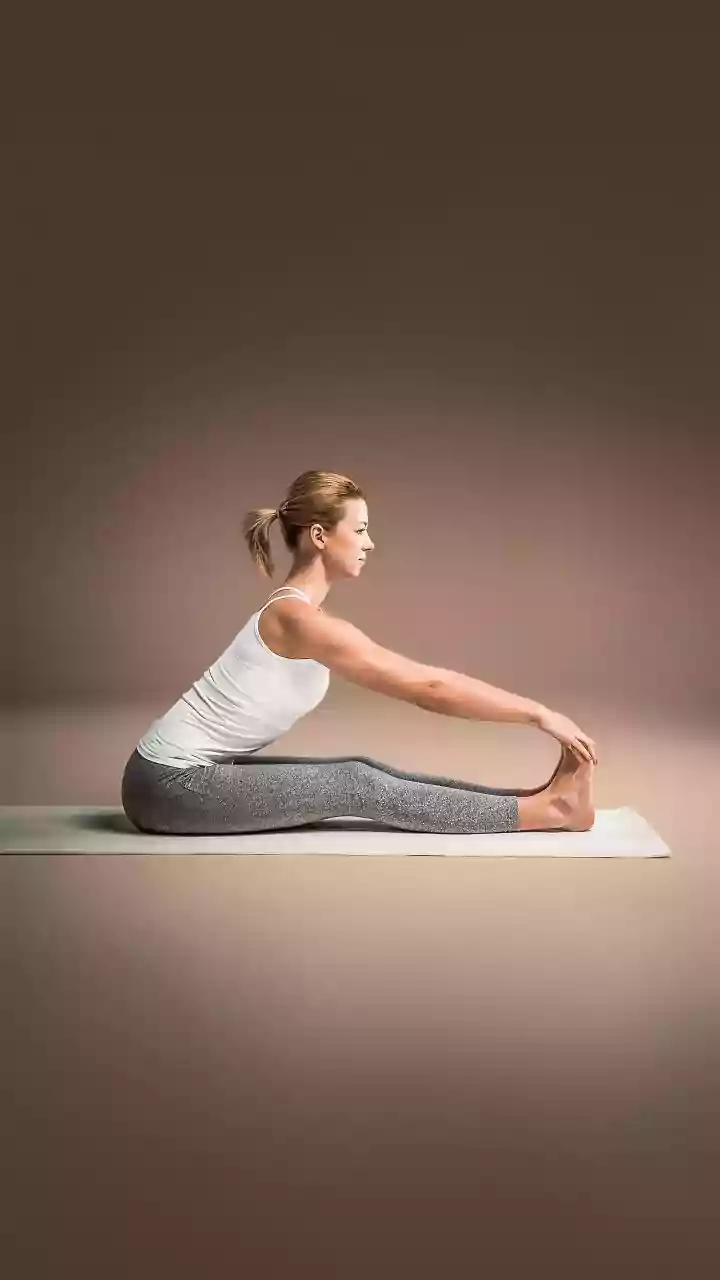
Stress is a known memory killer, and this pose is designed to fight it. Sit on the floor with your legs extended in front of you. As you sit tall, gently hinge at your hips and fold forward, reaching for your shins, ankles, or feet. Don't worry about how far you go; the goal is to feel a comfortable stretch along the back of your body. Forward bends are known to calm the nervous system, relieve fatigue, and increase blood flow to the brain, which can help ease the mental fog that comes with long hours of studying.
Legs-Up-The-Wall Pose (Viparita Karani) to Recharge
After a long day of revision, this is the ultimate restorative pose. Sit on the floor with one side of your body against a wall. Gently swing your legs up the wall as you lie back, so your body forms an 'L' shape. Rest your arms by your sides with palms facing up. This inversion is incredibly calming for the nervous system, helps reduce fatigue in the legs, and promotes relaxation without any effort. Just five to ten minutes in this position can help you feel refreshed and ready to either continue studying or get a good night's sleep.