





What is the Hemis Festival?
The Hemis Festival is one of Ladakh’s most famous and vibrant cultural events, held annually at the Hemis Gompa, the region's largest monastery. Celebrated on the 10th day of the fifth month of the Tibetan lunar calendar, it commemorates the birth anniversary
of Guru Padmasambhava (also known as Guru Rinpoche). He is revered as the second Buddha, credited with introducing Tantric Buddhism to Tibet and the Himalayan region in the 8th century. The festival is a profound expression of devotion, a community gathering, and a mesmerising spectacle that draws visitors and devotees from all over the world to this remote mountain sanctuary.
The Heartbeat of the Festival: The Cham Dances
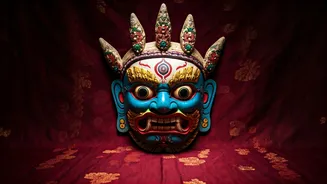
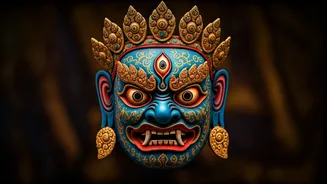
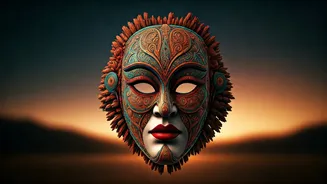
The centerpiece of the festival is the Cham, a series of sacred mask dances performed by monks in the monastery's main courtyard. Donning elaborate silk costumes and fearsome, intricate masks, the performers move to the hypnotic rhythm of long horns (dungchen), drums, and cymbals. These aren't just performances; they are a form of meditation and a religious ritual. Each movement is precise and symbolic, telling stories of the triumph of good over evil. The dances depict wrathful and compassionate deities, protectors, and demons, creating a dynamic visual narrative that is both breathtaking and deeply spiritual.
Understanding the Masks and Symbolism
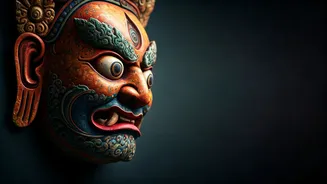
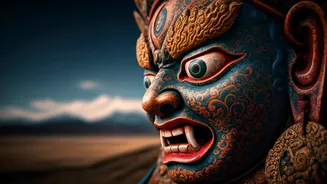
The masks are the most captivating element of the Cham. They are not mere costumes but are considered sacred objects that embody the deities they represent. When a monk wears a mask, he is believed to enter a meditative state and take on the spirit of that deity. The dances often re-enact the legend of Guru Padmasambhava vanquishing negative forces to establish Buddhism. The fierce, wrathful expressions on many masks are not evil; they symbolise protectors of the dharma, whose terrifying appearance is meant to ward off obstacles and negative energies. Observing the dances is considered a way to receive blessings and to be reminded of the core tenets of Buddhist philosophy.
When and How to Plan Your Visit
The Hemis Festival typically falls in June or July. Because it follows the Tibetan lunar calendar, the exact dates change every year, so it is crucial to verify the schedule before making travel plans. Hemis Monastery is located about 45 kilometres from Leh, the main town in Ladakh. You can hire a taxi from Leh for the day or use local buses, though taxis offer more flexibility. Accommodation in Leh fills up quickly during the festival, so book your hotels well in advance. Remember that Leh is at a high altitude (over 11,000 feet). It is essential to spend at least two full days acclimatising in Leh before venturing out to the festival to avoid acute mountain sickness.
Festival Etiquette and Respectful Observation
As a visitor, you are a guest at a sacred religious ceremony. It is vital to show respect. Arrive early to find a good viewing spot, as the courtyard gets extremely crowded. Dress modestly, covering your shoulders and knees. Maintain silence during the performances, and do not try to talk to the monks who are performing. When it comes to photography, be mindful. While it is generally allowed, avoid using a flash as it can distract the performers and is considered disrespectful. Never obstruct the view of local devotees for a photo. Always ask for permission before taking a close-up picture of a person. The best experience comes from putting the camera down for a while and simply immersing yourself in the profound atmosphere.