





The Problem with Mango Sap
Before you can enjoy the sweet, golden flesh of a mango, you have to contend with its first line of defence. When you pluck a mango from its branch, a milky, resinous sap leaks from the stem area. This isn't just sticky; it's a potent cocktail of compounds
designed to protect the fruit. The main culprit is urushiol, the very same oily allergen found in poison ivy and poison oak. For many people, contact with this sap can lead to contact dermatitis—an itchy, unpleasant rash. Furthermore, the sap is notoriously difficult to wash off hands, clothes, and kitchen surfaces, often leaving behind a stubborn black stain as it oxidises.
The Simple Saltwater Solution
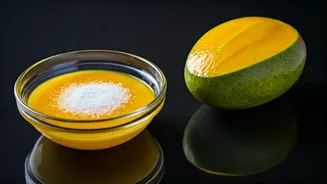
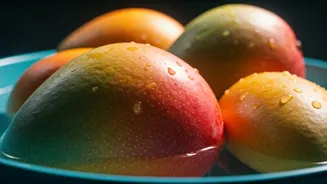
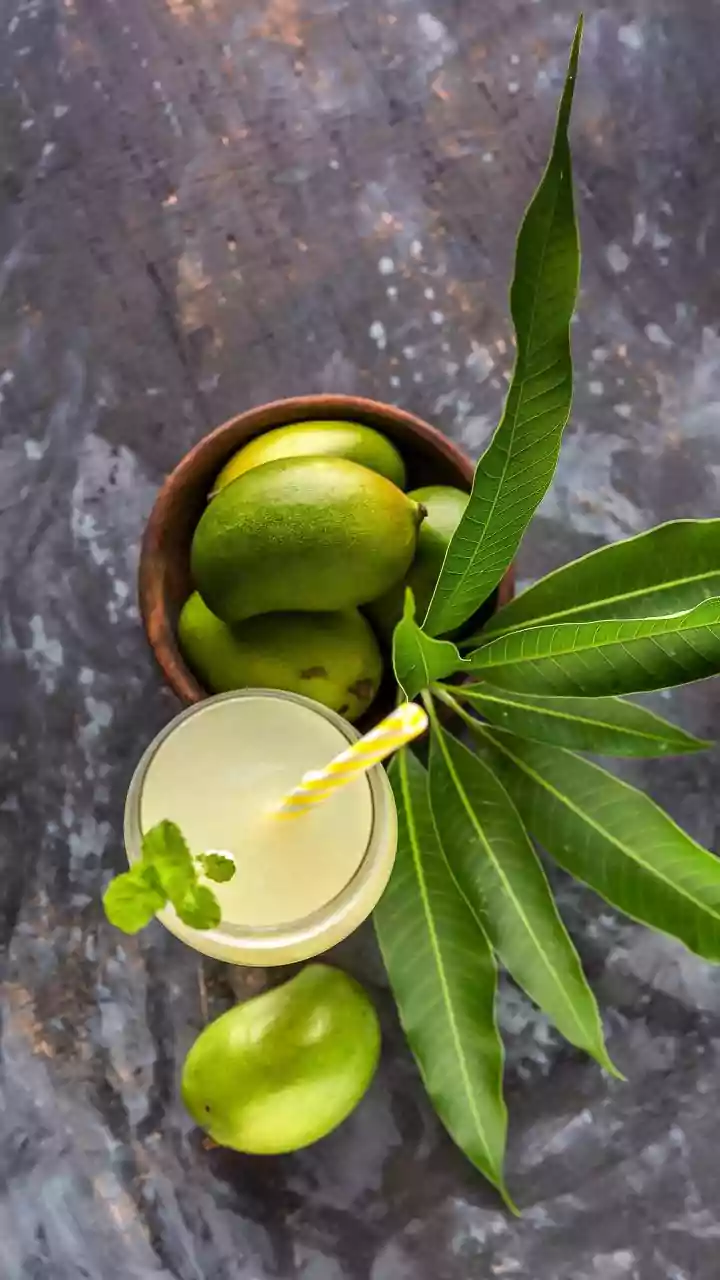
Generations of mango lovers, particularly in India and Southeast Asia, have used a simple soak to neutralise this pesky sap. The method is incredibly straightforward and requires just two basic ingredients: salt and water. Start by trimming the small nub of the stem from your mangoes, which may cause a little more sap to ooze out—this is exactly what you want. Next, prepare a saltwater bath. In a large bowl or bucket, dissolve about a quarter cup of regular table salt in four to five litres of cool or room temperature water. The exact ratio isn't critical, but you want the water to be noticeably saline. Submerge your mangoes completely in the saltwater solution. Let them soak for at least 30 minutes, though an hour is ideal for ensuring all the sap is drawn out and neutralised. You may notice the water becomes slightly cloudy, a sign that the process is working.
The Science Behind the Soak
This isn't just an old wives' tale; there's solid science at play. The process works primarily through osmosis. The high concentration of salt in the water creates a hypertonic solution relative to the mango's sap. This difference in solute concentration encourages the water-based sap to move from an area of low salt concentration (inside the mango stem) to an area of high salt concentration (the surrounding water), effectively 'drawing out' the sticky liquid. Moreover, the saline solution helps to denature the problematic enzymes and phenolic compounds like urushiol within the sap. Salt ions can interfere with the chemical structure of these allergens, rendering them less potent and less likely to cause a skin reaction. This dual action of drawing out and neutralising the sap makes the saltwater soak remarkably effective.
Does It Affect the Mango's Taste?
A common concern is whether soaking a mango in saltwater will make the fruit taste salty. The answer is no, provided you follow the process correctly. The mango's thick skin is a formidable barrier that prevents the saltwater from penetrating the flesh during a relatively short soak of 30 to 60 minutes. Once the soaking time is complete, simply remove the mangoes from the bath, give them a thorough rinse under fresh running water, and pat them dry. The final taste of the fruit will be unaffected. In fact, some connoisseurs believe this process helps reduce the fruit's natural 'heat' (a concept in Ayurveda) and can even enhance its sweetness by removing any bitter notes from residual sap near the stem.
Extra Tips for a Mess-Free Experience
To fully master mango season, combine the saltwater soak with a few other best practices. When buying mangoes, try to choose ones with a small portion of the stem still attached, as this can minimise initial leakage. When you get home, trim the stem over the sink before placing them in the saltwater bath. If you are particularly sensitive to urushiol, consider wearing gloves while handling and cutting unwashed mangoes. Always wash your hands, knife, and cutting board thoroughly with soap and water after preparing them. By making the saltwater soak a standard step in your mango prep, you can ensure a clean, delicious, and itch-free experience every time.