







What Exactly Is Karkidaka Kanji?
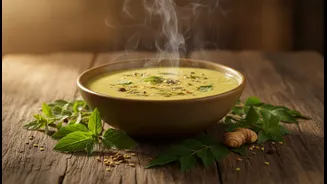
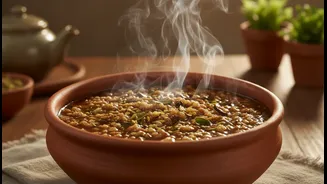
Karkidaka Kanji, also known as Oushadha Kanji or Marunnu Kanji, is a medicated rice porridge from Kerala. It is traditionally consumed during Karkidakam, the peak monsoon month in the Malayalam calendar (mid-July to mid-August). Far from a simple gruel,
it is a carefully formulated dish that combines special rice with a blend of medicinal herbs and spices. This porridge is a cornerstone of Karkidaka Chikitsa, a seasonal Ayurvedic wellness regimen designed to support the body when it's considered most receptive to healing treatments.
What Is the Ayurvedic Logic Behind It?
According to Ayurveda, the monsoon season, or Varsha Ritu, is a period when our digestive fire (Agni) is naturally weaker and the body's doshas (governing energies) can be easily imbalanced. The high humidity and dampness can make the body feel sluggish and more vulnerable to ailments like joint pain, indigestion, and infections. Karkidaka Kanji is specifically designed to counteract this. Its ingredients are chosen to be easily digestible, rekindle digestive fire, boost immunity, and provide nourishment without overburdening the system. It's a practice of aligning the diet with the demands of the season for preventive health.
What Are Its Key Ingredients?
The power of Karkidaka Kanji lies in its specific combination of ingredients. The base is typically Navara rice, a unique, unpolished red rice from Kerala prized in Ayurveda for being light and nourishing. It is believed to balance all three doshas and support tissue systems. To this base is added coconut milk, which provides healthy fats, and a blend of warming spices like dry ginger, cumin, black pepper, and fenugreek. The most vital component is the 'marunnu koottu', a medicinal herb mixture that can include powerful Ayurvedic herbs like Dashamoola (a group of ten roots) and Dashapushpam (a group of ten flowers), which help with immunity and inflammation.
Are There Other Monsoon Porridges?
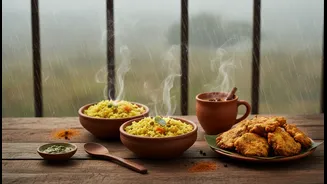
The tradition of eating nourishing, warm porridges during the monsoon is not limited to Kerala. Across India, regional cuisines feature similar dishes that serve the same purpose of providing comfort and supporting digestion. In Goa, a popular monsoon dish is Tizaan, a sweet and restorative porridge made from ragi (finger millet), coconut milk, and earthy palm jaggery. In Maharashtra, Pithla, a savory porridge made from gram flour (besan) and spices, is a quick and satisfying meal often eaten with bhakri (millet flatbread). South India also has Kambu Koozh, a fermented pearl millet porridge that is excellent for gut health.
Essential Monsoon Pantry Wisdom
The high humidity of the monsoon can wreak havoc on kitchen ingredients, leading to clumping, spoilage, and pests. To protect your pantry, transfer all moisture-sensitive items like grains, flours, spices, and biscuits from their original packaging into airtight containers. For staples like rice and lentils, adding a few dried bay leaves or neem leaves to the container can act as a natural insect repellent. Spices are especially vulnerable to clumping; always use a dry spoon and seal containers tightly. It is wise to stock up on digestive-friendly spices like ginger, turmeric, and cumin, which are staples in many monsoon recipes for their ability to support a sluggish gut.