






From Influence to Instant Checkout
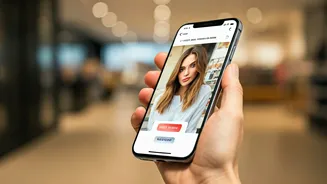
For years, influencer marketing was about awareness. A creator would post about a product, and you might remember the brand later. Today, that model has been supercharged. Creator-led shopping, also known as social commerce, closes the gap between discovery
and purchase entirely. It's a system where creators aren't just recommending products; they are the storefront. Through features like shoppable posts on Instagram, product tags in YouTube videos, and curated collections, influencers act as a direct and trusted bridge between brands and consumers. The entire transaction, from seeing a product in a Reel to completing the purchase, can happen without ever leaving the social media app. This evolution marks a significant shift from creators as advertisers to creators as a primary sales channel.
The Authenticity 'Shortcut'
So, why is this being called a shortcut? The answer lies in trust. Consumers, particularly Gen Z and millennials, have become increasingly skeptical of traditional advertising. A recommendation from a trusted creator, however, feels more like advice from a friend. Statistics show that a majority of consumers trust influencer recommendations more than information coming directly from a brand. This trust is the ultimate shortcut, bypassing the lengthy process of building brand credibility from scratch. When a creator they follow and admire uses a product, it serves as powerful social proof, validating its quality and desirability. For brands, this translates into higher engagement, better conversion rates, and access to highly targeted, loyal communities that traditional marketing struggles to reach.
The Indian Creator Commerce Boom
India's social commerce market is exploding, projected to grow from around $8.9 billion in 2025 to over $54 billion by 2034. This rapid expansion is fueled by India's massive internet user base, high smartphone penetration, and the seamless digital payment infrastructure provided by UPI. The trend is particularly powerful in Tier 2 and Tier 3 cities, where vernacular and regional creators are driving incredible engagement. Brands like Mamaearth, boAt, and Nykaa have successfully leveraged creator collaborations to achieve significant growth, proving the model's effectiveness in the Indian context. These companies have mastered the art of working with a diverse range of creators, from mega-celebrities to nano-influencers with smaller, highly dedicated followings, to build authenticity and drive sales.
More Than a Trend: A Tectonic Shift
The rise of creator-led shopping is more than just a fleeting trend; it represents a fundamental change in the digital economy. We are seeing the professionalization of the creator class in India, with a growing number of influencers registering as formal business entities. This formalization is turning influencer marketing from an experimental branding exercise into a measurable, business-critical operation. Some creators are even taking the next step, moving beyond partnerships to launch their own brands, leveraging their deep audience connection to compete with established companies. This shift democratizes entrepreneurship, allowing individuals with a strong community to build businesses directly on the back of their influence.
The Risks and Realities
Despite its immense potential, the creator-led model is not without challenges. For brands, over-reliance on a single creator can be risky; if that person's reputation suffers, the brand can be damaged by association. For creators, the pressure to constantly create content and drive sales can lead to burnout. There's also the risk of audience fatigue, as followers become weary of constant product promotions. Furthermore, the industry is highly competitive and subject to the ever-changing algorithms of social media platforms, which can impact a creator's reach and income unpredictably. Success requires a delicate balance between authentic content creation and commercial objectives.