

Mansur Ali Khan Pataudi: The Prince Who Instilled Pride
Long before the era of multi-million dollar leagues and global superstars, Indian cricket needed a visionary. It found one in Mansur Ali Khan Pataudi. Taking over in the 1960s, 'Tiger' Pataudi inherited a team that was skilled but often psychologically
on the back foot. He was the first to truly galvanise the side, fostering a sense of unity and national pride. Pataudi championed the idea of playing to India's strengths, particularly spin bowling. He pioneered the use of a multi-spinner attack, a strategy that would become a hallmark of Indian home dominance for decades. More than just tactics, he taught India how to be a competitive, cohesive unit, laying the very first stone of self-belief upon which all future success would be built.
Kapil Dev: The Leader Who Defied the Odds
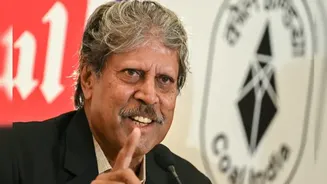
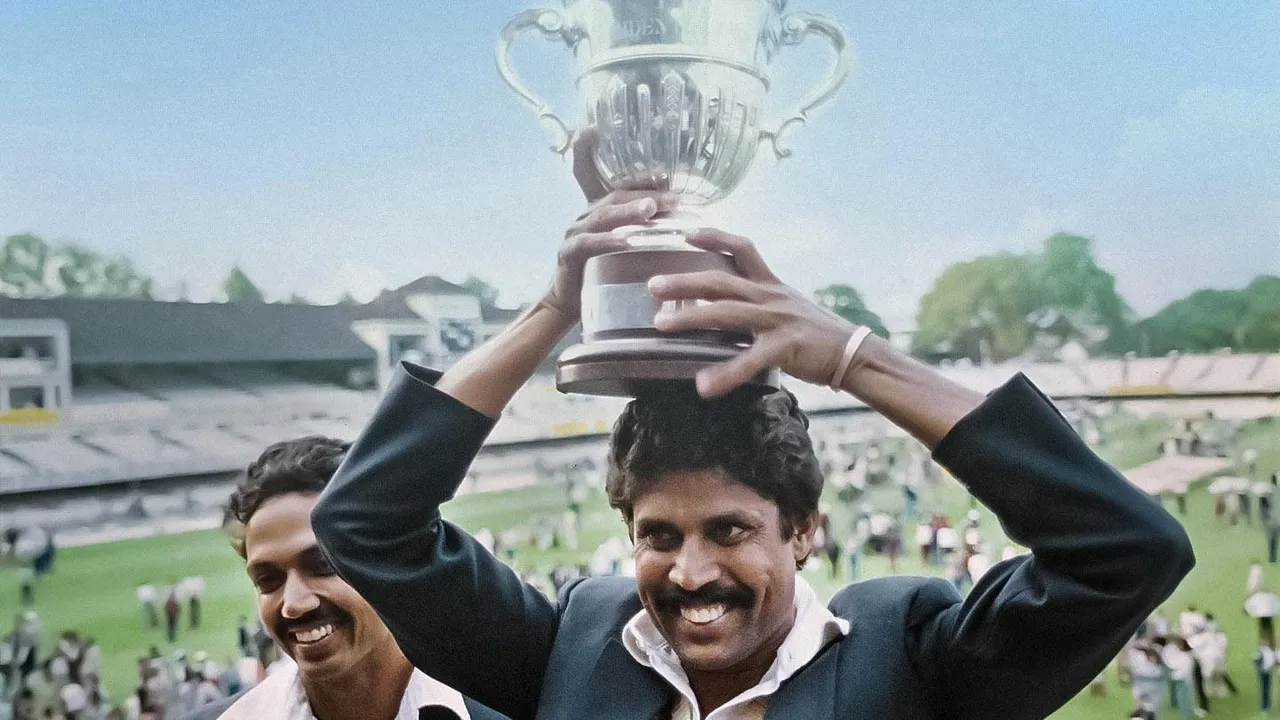
If Pataudi taught India to believe, Kapil Dev taught India how to win. The 1983 World Cup was not supposed to be India's moment. The team arrived in England as rank outsiders. But their captain, a dynamic all-rounder from Haryana, had other ideas. Kapil led from the front, not just with his captaincy but with his performances, most notably an iconic 175 not out against Zimbabwe when his team was on the brink of collapse. His leadership was instinctive and aggressive. The final victory against the seemingly invincible West Indies was a seismic event. It did more than just bring a trophy home; it ignited a passion for the one-day game across the nation, transforming cricket from a sport into a national obsession and inspiring a generation of future world-beaters.
Sourav Ganguly: The Architect of 'New India'
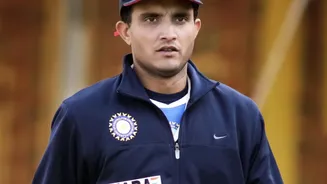
Sourav Ganguly took the captaincy in 2000, a time when Indian cricket's credibility was at a low ebb due to the match-fixing scandal. He responded not with caution, but with defiance. Ganguly transformed the team's attitude, replacing a previously docile approach with a new, fearless aggression. He famously backed young, hungry players like Virender Sehwag, Yuvraj Singh, and Harbhajan Singh, empowering them to play without fear. Under his leadership, India started winning Test matches overseas, a feat that had long been a rarity. His iconic shirt-waving at Lord's after the 2002 NatWest Trophy final was more than a celebration; it was a statement of intent from a new, assertive India that would not be intimidated.
MS Dhoni: The Master of Trophies and Calm
If Ganguly built a team that could fight, Mahendra Singh Dhoni taught that team how to finish. Taking the helm in a new T20 era, Dhoni's calm and calculated leadership was a paradigm shift. He was unflappable under pressure, a trait that trickled down to his team. This mental fortitude led to an unprecedented era of success. Under his captaincy, India won the inaugural 2007 T20 World Cup, the 2011 ODI World Cup at home, and the 2013 Champions Trophy. He is the only captain in history to have won all three major ICC white-ball tournaments. Dhoni's era was defined by consistent, clinical execution and a knack for making unorthodox decisions that paid off spectacularly, cementing India's status as the dominant force in world cricket.