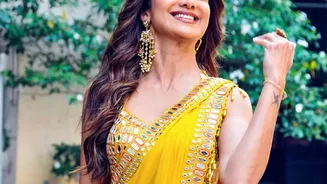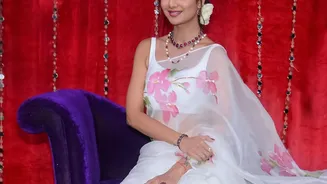



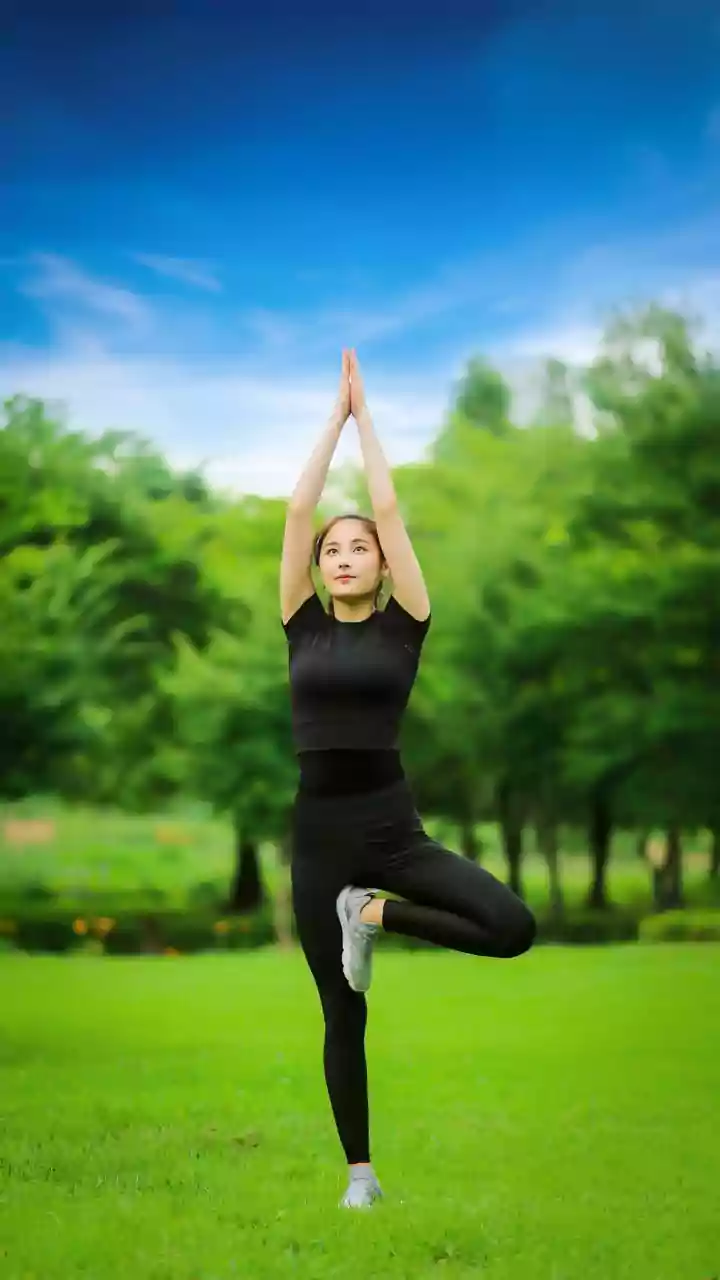
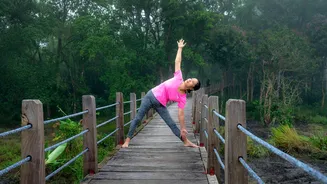
Shilpa Shetty Kundra’s social media is a masterclass in making peak fitness look effortless. Her latest posts, often showcasing a new yoga flow or mobility challenge, look graceful and fluid. But don't be fooled by the calm demeanour.
The Exercise That Deceives the Eye
One of the actress’s
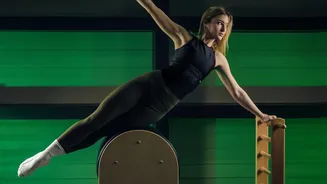
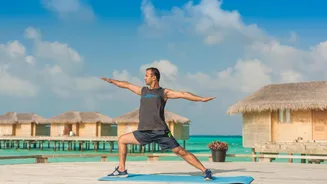
recent challenges that has fans talking is a dynamic movement that combines a deep squat with a difficult balancing act, such as the Vatayanasana (Horse-Face Pose) or a complex Virabhadrasana (Warrior Pose) flow. In these exercises, she moves with control from a standing position into a complex, one-legged squat or lunge, often with her other leg in a half-lotus position. To the casual observer, it looks like a beautiful, dance-like sequence. But anyone who has tried to replicate it knows the truth: it’s an incredibly demanding full-body exercise that tests the limits of physical control. Shetty herself has noted that such poses require immense focus and take time to master.
The Hidden Battle for Balance
The most immediate and humbling challenge is balance. Unlike static poses, a dynamic flow requires constant micro-adjustments. As you transition, your centre of gravity shifts, forcing your core and the stabilising muscles in your standing leg—especially the ankle and hip—to work overtime. Holding a pose like Vatayanasana involves lowering your body while one leg is in a compromised half-lotus position, which demands extraordinary balance and proprioception (your body's awareness of its position in space). It’s not just about not falling over; it’s about maintaining a smooth, unshaken posture, which requires a calm nervous system and intense concentration.
The Understated Strength Requirement
While the movement looks fluid, it is built on a foundation of pure strength. The standing leg’s quadriceps, glutes, and hamstrings are under immense tension to support your entire body weight in a deep, single-leg squat. This is a feat of unilateral strength that many people who are strong in bilateral squats (using both legs) struggle with. Furthermore, the core is not just passively engaged; it’s the anchor that connects the upper and lower body, preventing your torso from collapsing. Exercises like gliding knee tucks and weighted squats, which Shetty also incorporates into her routines, build this foundational core and leg strength necessary for more advanced poses.
Flexibility: The Non-Negotiable Entry Ticket
Before you can even attempt the strength and balance components, you need a significant degree of flexibility. Poses like the half_lotus require open hips and flexible knees and ankles. Without this mobility, you can’t get into the correct starting position safely, let alone move through the entire sequence. Shilpa Shetty often emphasizes the importance of mobility in the hips, spine, and shoulders in her fitness philosophy. These advanced poses are the culmination of consistent stretching and mobility work that keep the joints healthy and the muscles pliable, allowing for a greater range of motion without injury.
The Mental Game of Grace
Perhaps the most overlooked aspect is the mental fortitude involved. Holding a challenging posture while breathing steadily requires a calm and focused mind. As Shetty often notes, yoga is as much a mental discipline as a physical one. The ability to link breath to movement (vinyasa) is key. When your muscles are screaming and your balance is wavering, the instinct is to hold your breath and tense up. The true challenge is to breathe through the discomfort, stay present, and maintain an appearance of effortlessness. This mind–muscle connection is what elevates the movement from a simple exercise to a display of masterful control.