






Decode the Weather Alerts
Before any other planning, become familiar with the India Meteorological Department (IMD) colour-coded alerts. These are your first and most important decision-making tool. A 'Green' alert means all is well. A 'Yellow' alert means 'Be Aware'; it signals
potentially bad weather that could cause disruptions, so you should remain vigilant. An 'Orange' alert means 'Be Prepared' for extremely bad weather that could disrupt transport and power. This is a serious warning to reconsider your plans. A 'Red' alert means 'Take Action'; it warns of conditions that pose a significant risk to life and property. If a red alert is issued for your destination or route, the decision is simple: cancel or postpone your trip.
Research Your Destination's Risks
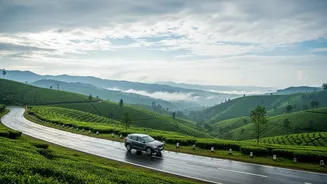
Not all destinations are equal in the monsoon. Hilly and mountainous regions in states like Himachal Pradesh, Uttarakhand, and parts of the Western Ghats are particularly susceptible to landslides. Areas like the Kullu-Manali corridor, the routes to Char Dham, and regions like Wayanad and Munnar in Kerala have historically seen major disruptions. Before booking, do a quick search for recent news about your chosen location. Are there reports of landslides, flash floods, or road closures? Coastal areas can also be risky. Even popular getaways near major cities, like Lonavala and Khandala, can face roadblocks and waterlogging. Choosing a destination with more robust infrastructure or one closer to home can be a safer bet during peak monsoon months.
Scrutinise the Journey Itself
Getting there is half the battle, and often the most dangerous part. Road travel requires extreme caution. Heavy rain reduces visibility, makes roads slippery, increases braking distance, and can hide dangerous potholes or debris. Driving at high speeds is incredibly risky, as it can lead to hydroplaning, where your tyres lose contact with the road. Avoid driving through waterlogged streets, as you never know the depth or what lies beneath. If you are relying on trains or flights, check their status frequently. Services can be delayed or cancelled with little warning due to weather. Build buffer days into your itinerary to avoid the stress of a tight schedule.
Prepare for the Worst-Case Scenario
A key part of deciding whether to travel is knowing you can handle things if they go wrong. Do you have a plan B? Before you leave, ensure your phone is fully charged and carry a power bank. Pack an emergency kit with a first-aid box, any necessary medications, a torch, and some non-perishable snacks and water. Inform a friend or family member of your itinerary and check in with them regularly. It is also wise to have waterproof bags or pouches to protect your documents and electronic gadgets. If your plans feel fragile and you don't have solid contingency options, it might be a sign to stay home.
The Final Call: Red Flags to Heed
Sometimes, the signs are clear. Postpone your trip without a second thought if: an Orange or Red alert is issued by the IMD for your destination; local authorities have issued advisories against travel to the area; there are active reports of landslides or significant flooding along your planned route; or key transportation services like trains or flights are already being cancelled. Remember that a delayed or cancelled trip is merely an inconvenience. Getting stranded in a dangerous situation is a crisis. The goal of a getaway is to relax and rejuvenate, and you can't do that if your safety is compromised.