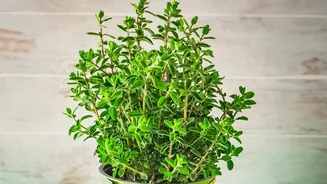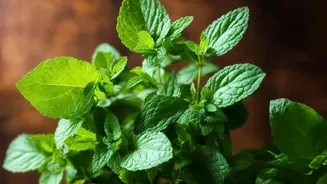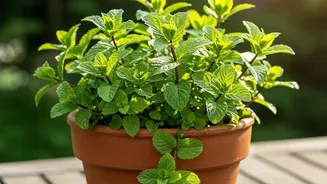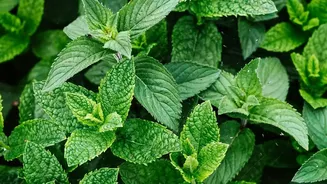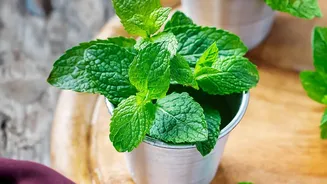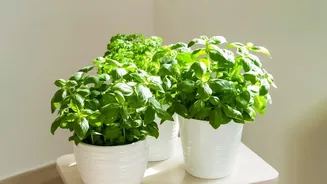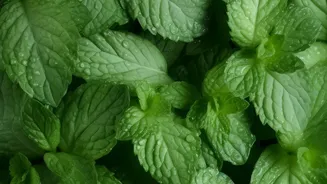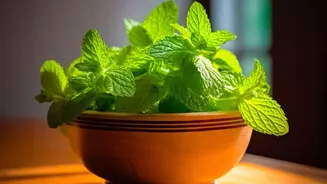




Mint's Natural Comfort Zone
To understand why your indoor mint plant might be struggling, it helps to think about its natural habitat. Outdoors, mint is a famously vigorous plant that often grows in areas with dappled sunlight or partial shade. It thrives in moist soil, often found
near streams or in lower-lying spots where it gets a break from the intense heat of the day. It's a resilient herb, but it isn't built to withstand a constant barrage of scorching sun. This natural preference for a balance of light and shade is the first clue to creating the perfect environment for it inside your home.
The Problem with Too Much Sun
When you place a mint plant in a window that gets hours of direct, intense afternoon sun, you're essentially forcing it into an environment it isn't equipped to handle. The harsh light can cause a number of problems. The most obvious is leaf scorch, where leaves develop brown, crispy edges or pale, bleached-out patches. You might also notice the plant wilting dramatically during the day, even if the soil is moist. This is the plant's defense mechanism, trying to reduce water loss. Intense sun also heats up the pot and soil, causing moisture to evaporate much faster, which can stress the plant and damage its roots.
What 'Bright, Indirect Light' Means
So, what is the ideal 'bright, indirect light' that experts recommend? Think of it as a well-lit spot where the sun's rays don't fall directly onto the plant's leaves for hours on end. It's the kind of light you’d find a few feet away from a south- or west-facing window, or right next to an east-facing window that only gets the gentler morning sun. A room with a north-facing window can also provide this kind of consistent, gentle brightness. The goal is to give the plant enough light energy for photosynthesis to produce lush, flavourful leaves without causing the stress and damage associated with direct sun exposure.
Finding the Perfect Spot in Your Home
To find the perfect location, observe the light in your home throughout the day. An east-facing windowsill is often ideal, providing several hours of direct morning sun that is less intense than the afternoon sun. If you only have south- or west-facing windows, which receive the strongest light, don't place the mint directly on the sill. Instead, move it back a few feet or use a sheer curtain to diffuse the light. Pay attention to your plant's signals. If you see long, 'leggy' stems with sparse leaves, it's a sign your mint needs more light. Conversely, if the leaves look scorched or faded, it's getting too much.
Beyond Light: Water and Care
While getting the light right is crucial, a happy indoor mint plant also depends on a few other factors. Mint loves consistently moist soil, but it dislikes being waterlogged. Water it thoroughly whenever the top inch of soil feels dry. Ensure your pot has good drainage holes to let excess water escape. Mint is also a vigorous grower and can quickly become root-bound in a small container. Giving it a wide pot provides space for its roots to spread. Finally, don't be shy about harvesting. Regularly snipping the tops of the stems encourages the plant to grow bushier and more compact, giving you a steady supply of fresh leaves for your kitchen.