






What a 'Weak' Monsoon Used to Mean
For decades, the India Meteorological Department (IMD) has classified the monsoon's performance using a straightforward metric: the Long Period Average (LPA). A 'normal' monsoon means the country as a whole receives rainfall between 96% and 104% of this
50-year average. If the total rainfall falls between 90% and 95%, it’s considered 'below normal'. Anything less than 90% of the LPA has traditionally been classified as a 'deficient' monsoon, raising alarms about potential drought. This system provided a simple, national-level summary of the monsoon's health, primarily concerned with the total volume of water received over the four-month season. For farmers, economists, and policymakers, this single number was a critical indicator for everything from crop yields to economic growth.
The New Reality: Dry Spells and Sudden Deluges
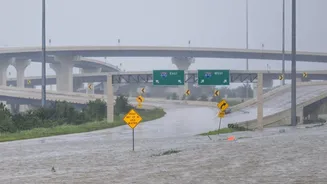
The script is changing. India is now increasingly experiencing seasons where long, dry spells are punctuated by terrifyingly intense, short bursts of extreme rain. A region can suffer from drought-like conditions for weeks, only to be hit by a deluge that causes flash floods and landslides. Recent monsoon seasons have highlighted this erratic behaviour, with significant rainfall deficits in some regions even while others face floods. This pattern challenges the very definition of a 'weak' monsoon. The problem is no longer just a lack of total rainfall, but its character and distribution. The rain, when it does arrive, often comes in such concentrated downpours that the dry, hardened ground cannot absorb it, leading to massive surface runoff, soil erosion, and flooding instead of replenishing groundwater.
The Science Behind the Shift
This dangerous new pattern is a direct consequence of a warming climate. Studies show that a warmer atmosphere can hold more moisture. The Indian Ocean, particularly the Arabian Sea, has been warming rapidly, leading to increased evaporation and more moisture being available for the monsoon winds to carry. However, instead of being released steadily, this excess moisture is often dumped in concentrated, extreme rainfall events. The Intergovernmental Panel on Climate Change (IPCC) has noted with high confidence that the frequency of heavy precipitation events has increased over most land areas since the 1950s, with human-induced climate change being the likely driver. So, even if the overall monsoon circulation is weaker in a given year, the conditions are ripe for more extreme and chaotic downpours.
Consequences for a Nation on the Front Line
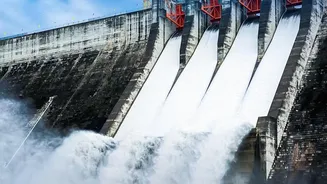
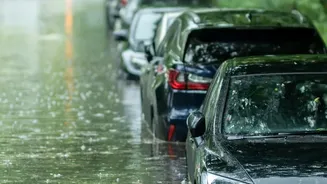
This new monsoon volatility has severe, cascading consequences. For India's farmers, who depend on predictable rains for sowing, long dry spells can cause crops to fail, while sudden floods can wash them away entirely. This disrupts the agricultural cycle that sustains millions. In urban areas, the story is just as grim. Cities like Mumbai, Bengaluru, and Delhi, with their vast concrete surfaces and often-inadequate drainage systems, are ill-equipped to handle such intense bursts of rain, leading to widespread urban flooding and chaos. This erratic rainfall also impacts water and energy security. Reservoirs may not fill up if the rain is too localized or runs off too quickly, and a weak monsoon with reduced hydropower output can force a greater reliance on fossil fuels to meet energy demands.
Adapting to an Unpredictable Future
Relying on a single, nationwide rainfall percentage is no longer enough. The changing nature of the monsoon demands a more nuanced approach to forecasting and disaster management. We need to shift focus from the total volume of rain to its intensity, timing, and spatial distribution. This means investing in better, more localized weather forecasting to provide actionable warnings for extreme rain events. Urban planning must prioritize climate resilience, incorporating more green spaces, improving drainage infrastructure, and restoring water bodies that can act as natural buffers against floods. For agriculture, this means promoting water-efficient crops and farming techniques that can withstand both dry spells and intense rain. The challenge is no longer about managing a simple deficit, but about building resilience to a more volatile and violent climate.