





The Basic Liquid-to-Oat Ratio
The foundation of great steel-cut porridge is the ratio of liquid to oats. The most common starting point is 3:1, meaning three parts liquid to one part steel-cut oats. For example, if you use one cup of oats, you would add three cups of water or milk.
This ratio typically yields a porridge that is thick but still has some distinct, chewy grains. For those who prefer a creamier, softer consistency, increasing the ratio to 4:1 (four parts liquid to one part oats) is recommended. This extra liquid allows the oats to break down more during the 25 to 30-minute cooking time, resulting in a silkier texture.
Perfecting a Single Serving
When cooking for one, getting the portion right prevents waste and ensures a satisfying breakfast. A standard single serving of dry steel-cut oats is 1/4 cup (about 40 grams). Using the 3:1 ratio, you would combine 1/4 cup of oats with 3/4 cup of water or milk. If you prefer a creamier bowl, increase the liquid to a full cup for the same amount of oats. A pinch of salt is also essential, as it enhances the natural nutty flavour of the oats and prevents the porridge from tasting bland. Remember that steel-cut oats expand significantly during cooking, so this seemingly small amount will produce a generous and filling portion.
Scaling for Multiple Servings
Making a large batch of steel-cut oats is an excellent way to meal prep for the week. The ratio remains your guiding principle. To make four servings, you would use 1 cup of steel-cut oats and 3 to 4 cups of liquid, depending on your texture preference. It's crucial to use a large, heavy-bottomed pot to prevent the mixture from boiling over and to minimise sticking. As the volume increases, so does the need for occasional stirring, especially during the last 10-15 minutes of cooking, to ensure the porridge cooks evenly and doesn't scorch at the bottom.
Understanding Dry vs. Cooked Volume
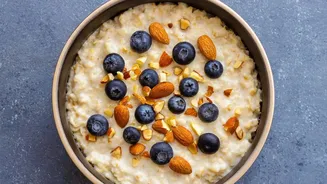
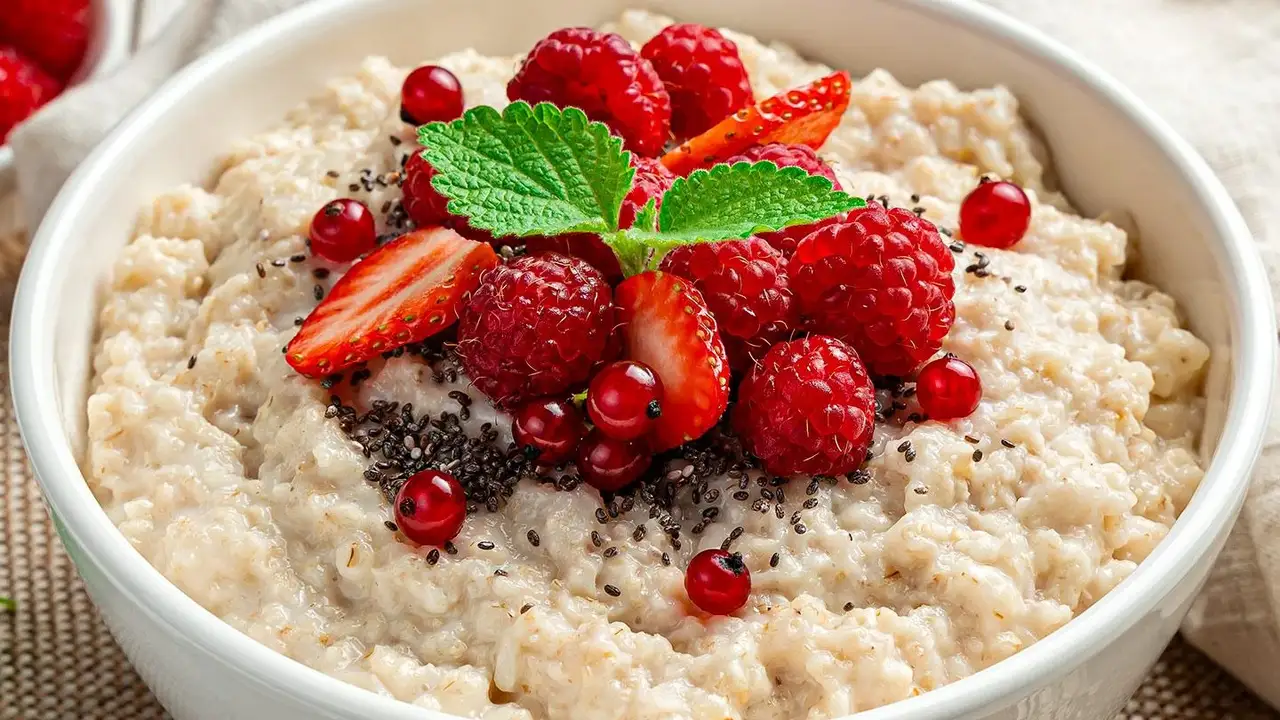
One of the most common surprises for those new to steel-cut oats is how much they expand. A dry 1/4 cup serving will cook up to about one full cup of porridge, sometimes more. This is because the dense, cut grains absorb a large amount of liquid as they soften and cook. This expansion is why a 40-gram dry serving, which contains around 150 calories, feels so substantial. Understanding this volume change is key to portion control and ensuring you don't accidentally make far more porridge than you intend to eat.
Adjusting for Mix-Ins and Toppings
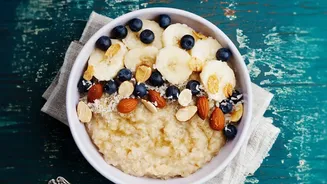
While the basic ratio provides a reliable starting point, you may need to make slight adjustments depending on your favourite additions. If you plan to stir in ingredients that absorb liquid, such as chia seeds or ground flax, you might want to add an extra splash of water or milk to maintain a creamy consistency. Conversely, adding fresh fruit or a swirl of yoghurt after cooking won't significantly alter the texture. For a richer flavour without thinning the porridge, consider using whole milk or a combination of milk and water as your cooking liquid from the start.