



1. The Bold Paint Statement
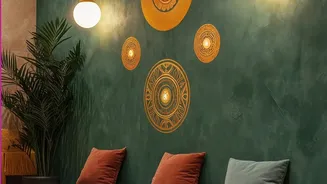
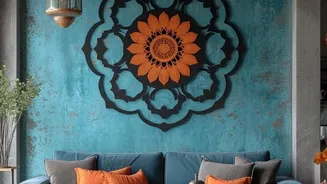
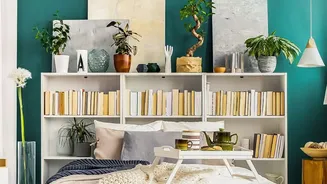
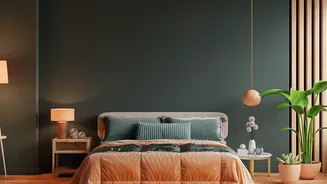
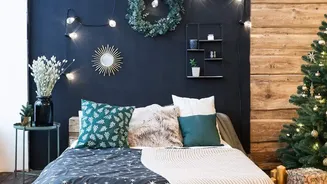
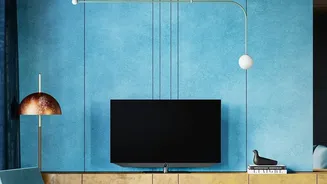
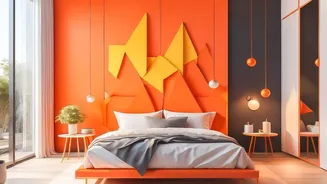
The simplest, most cost-effective, and versatile way to create a feature wall is with a coat of paint. A bold, contrasting colour can dramatically alter the mood of a room, anchor a furniture arrangement, and highlight a space's best features. A deep
navy or charcoal behind a sofa can make a living room feel cozier and more sophisticated. A warm terracotta can bring an earthy, inviting feel to a dining area. The key is to choose the right wall—typically the one your eyes are naturally drawn to when you enter a room, like the wall behind a headboard or fireplace. To ensure the look is intentional, pull a shade from your existing decor, like a rug or throw pillows, to guarantee a cohesive look. Don't be afraid of dark colours; they often create an illusion of depth, making a room feel larger, not smaller.
2. Elegant and Timeless Wallpaper
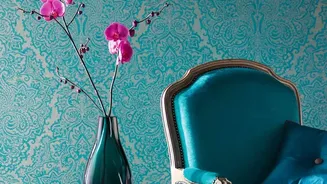
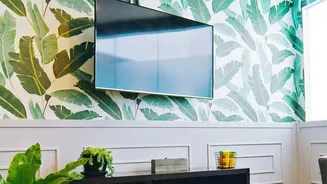
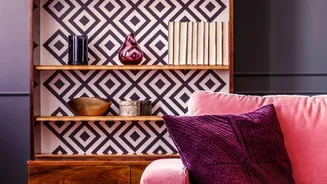
Wallpaper offers a world of pattern, texture, and colour that paint alone cannot replicate. While trends come and go, certain styles remain eternally chic. Large-scale botanical or floral prints can add a sense of drama and connect the room to nature, while subtle grasscloth or linen textures provide depth and warmth without overwhelming the space. Geometric patterns are another classic choice that can feel both modern and timeless. A feature wall is the perfect place to experiment with a bolder pattern that you might not commit to for an entire room. The best wall for wallpaper is a solid surface, uninterrupted by too many doors or windows, which allows the pattern to shine. To integrate the wallpaper seamlessly, pick a colour from the design and use it for accessories elsewhere in the room.
3. Warm and Textural Wood Panelling
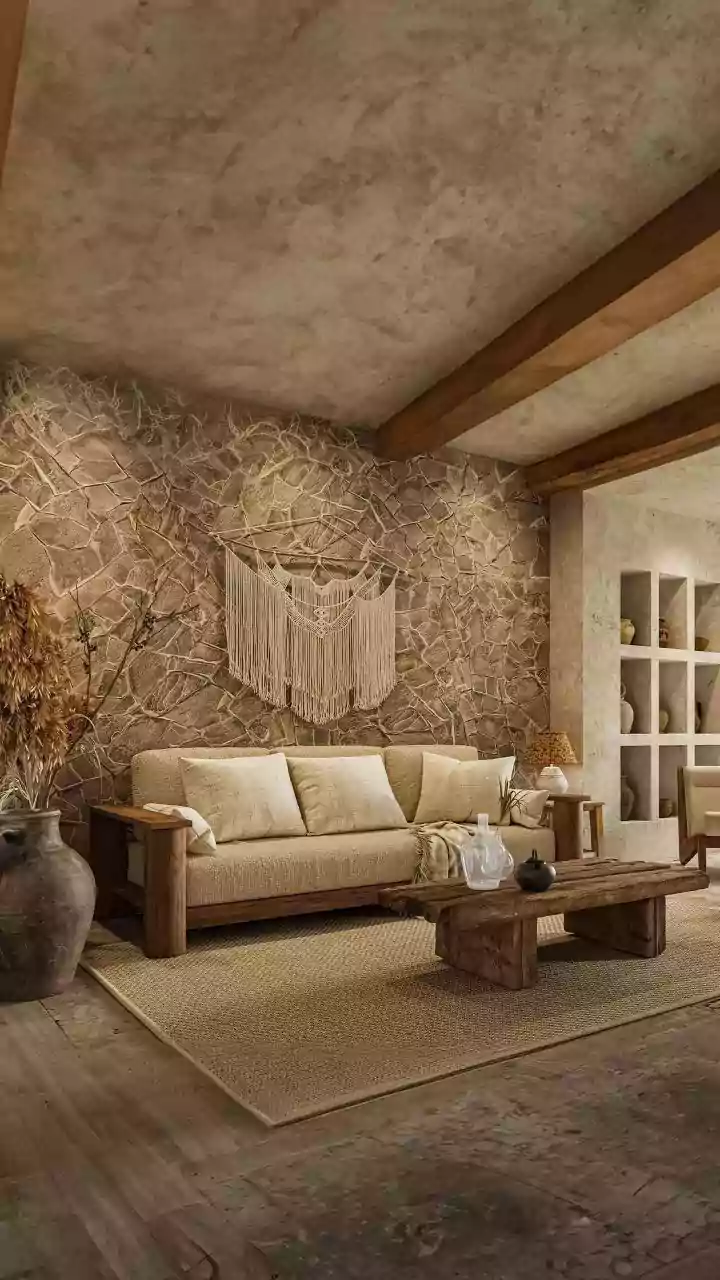
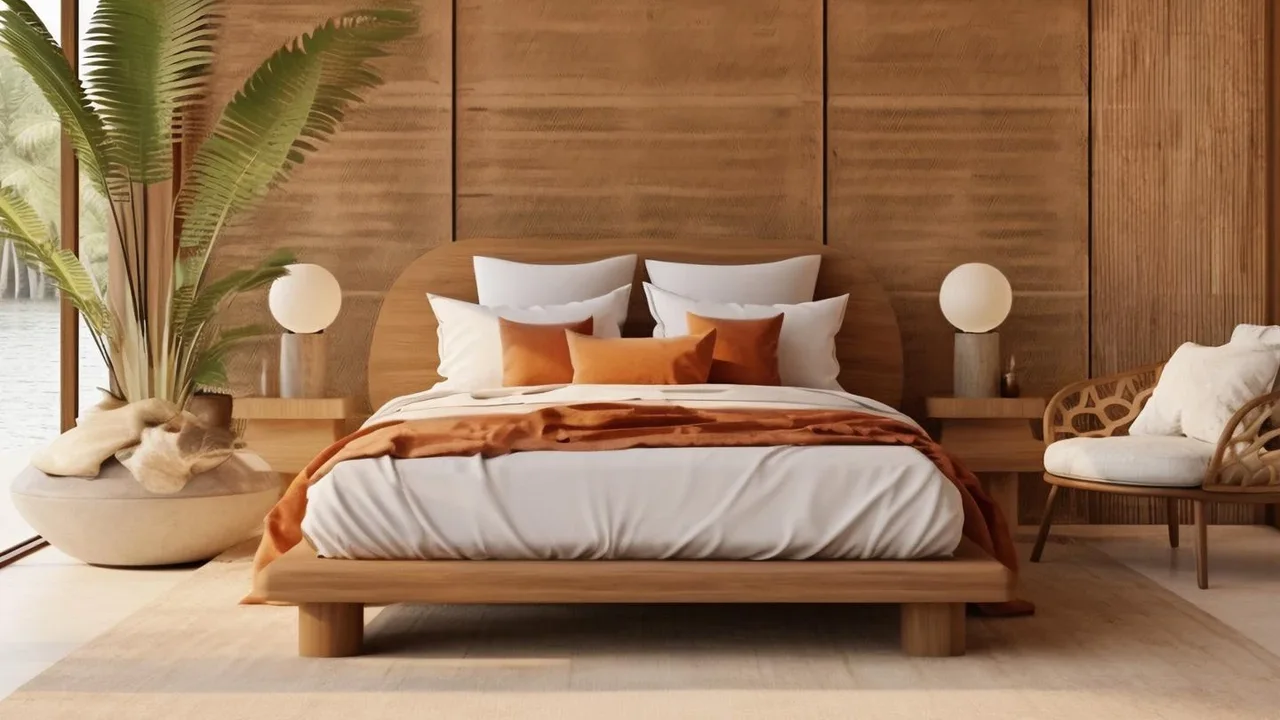
Wood brings an unmatched sense of warmth and natural texture to an interior. Once relegated to basements, modern wood panelling is sophisticated and versatile. Vertical wood slats, for instance, can draw the eye upward, making ceilings appear higher, and create a clean, contemporary feel. Herringbone or chevron patterns introduce a sense of dynamic movement and craftsmanship. For a more rustic or farmhouse aesthetic, reclaimed barn wood or shiplap provides character and a connection to history. A wood accent wall works beautifully behind a bed to create a built-in headboard effect or in a living room to add an organic touch. Depending on the type of wood and finish, it can suit styles from minimalist to industrial.
4. Rustic and Industrial Exposed Brick
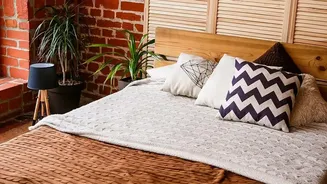
An exposed brick wall adds instant character, texture, and a sense of history to a space. It provides a rustic, industrial charm that serves as a stunning backdrop for various design styles, from modern minimalist to cozy farmhouse. In living rooms, it can frame a media unit or fireplace, while in a bedroom, it creates a warm, grounded headboard wall. If your home doesn't have original brickwork, you can achieve a similar effect with thin brick veneers, which are lightweight and easier to install. Brick pairs beautifully with natural materials like wood and leather, and its rugged texture provides a compelling contrast to soft furnishings and sleek metal finishes. You can also paint the brick white for a softer, more modern or Scandinavian look.
5. The Curated Gallery Wall
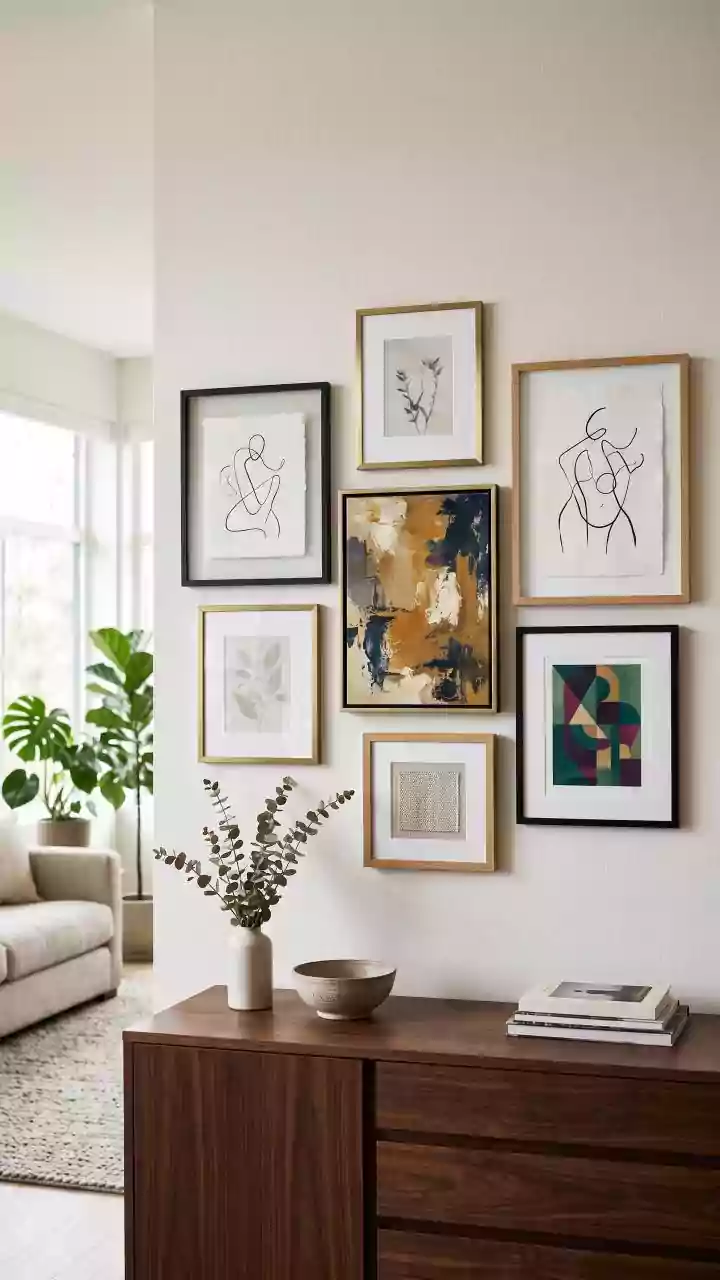
Turn a blank wall into a personal statement by transforming it into a gallery of art, photographs, and meaningful objects. A gallery wall is a classic way to showcase your personality and create a dynamic focal point. The key to success is careful curation and planning. Start by laying out your pieces on the floor to find a balanced arrangement before hanging anything. Mix different sizes, orientations, and frame styles for an eclectic, collected look, but maintain cohesion by sticking to a consistent colour palette or theme. Don't be afraid to include three-dimensional objects like small mirrors or sculptural pieces to add depth. A gallery wall is infinitely adaptable and can evolve with you over time, making it a truly timeless choice for any room in the house.