





Decoding the Travel Seasons
To grasp the magic of shoulder season, you first need to understand how the travel year is divided. Most destinations have three phases. Peak season is the busiest time, usually when the weather is best or a major event is happening, leading to high prices
and large crowds. Off-season is the quietest period, often due to less favourable weather, which means rock-bottom prices but also the risk of many attractions being closed. In between these two lies the 'shoulder season'. It's the transitional period just before or after peak season, offering a sweet spot that savvy travellers are increasingly taking advantage of.
The Compelling Case for Fewer Crowds
One of the most immediate and tangible benefits of shoulder season travel is the simple pleasure of space. Imagine wandering through ancient ruins without a sea of selfie sticks, finding a prime spot on a famous beach with ease, or exploring a museum at a relaxed pace. During peak season, popular destinations can feel overwhelming, with long queues for attractions and packed streets. Shoulder season travel offers a more serene experience, allowing you to connect with a place more deeply and spend more time enjoying it rather than waiting in line. This calmer atmosphere often leads to a more relaxed and rewarding holiday.
Significant Savings on Major Expenses
For budget-conscious travellers, shoulder season is a game-changer. As demand dips from its peak, the basic laws of supply and demand kick in. Airlines often lower their fares, and hotels offer more competitive rates to fill rooms. These savings aren't just minor discounts; they can significantly reduce the overall cost of your trip, freeing up your budget for other experiences like fine dining, unique tours, or shopping. In some cases, you might be able to afford a level of luxury, like a nicer hotel, that would be out of reach during the high season.
A More Authentic and Mellow Experience
With fewer tourists around, destinations often revert to a more normal rhythm. This allows for more genuine interactions with locals, who are often less overwhelmed than during the peak rush. You might find restaurant staff have more time to chat and make recommendations, or shopkeepers are happier to share stories. This slower pace can make your trip feel less like a transaction and more like a true cultural immersion. You’re not just seeing a place; you’re experiencing it as it breathes.
Considering the Potential Downsides
While shoulder season has many advantages, it's important to be aware of the potential trade-offs. The weather can be more unpredictable than during the peak season; you might have a string of perfect sunny days, or you could encounter more rain or cooler temperatures than expected. It's wise to pack layers and be prepared for varied conditions. Additionally, some seasonal attractions, restaurants, or tour operators may have reduced hours or could be closed entirely, especially as the season winds down. A little research beforehand can ensure your must-see spots are still open.
Where to Go and When
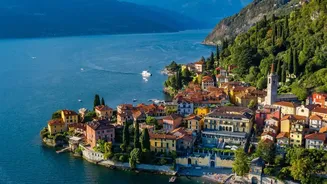
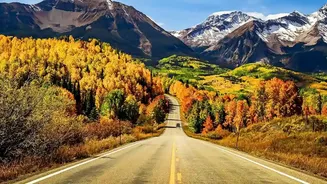
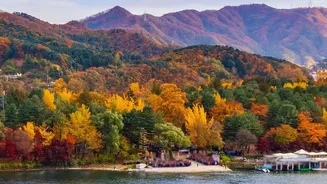
The timing of shoulder season varies globally. In Europe, it generally falls in spring (April-May) and autumn (September-October), offering pleasant weather without the intense summer heat and crowds. For travellers from India, shoulder periods in Rajasthan can be February-March and September-October, while Goa's shoulder season is often considered mid-June to October. For many Southeast Asian countries, the shoulder months are those that border the monsoon season, providing a lush landscape with fewer visitors. The key is to research your specific destination to identify that perfect window between the rush and the lull.