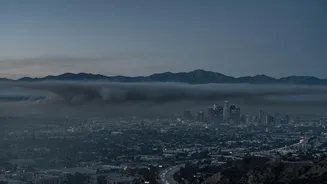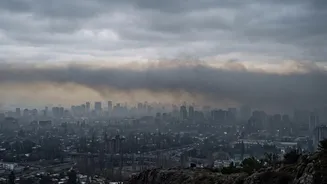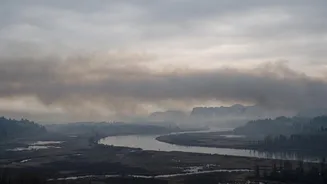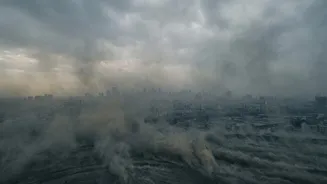

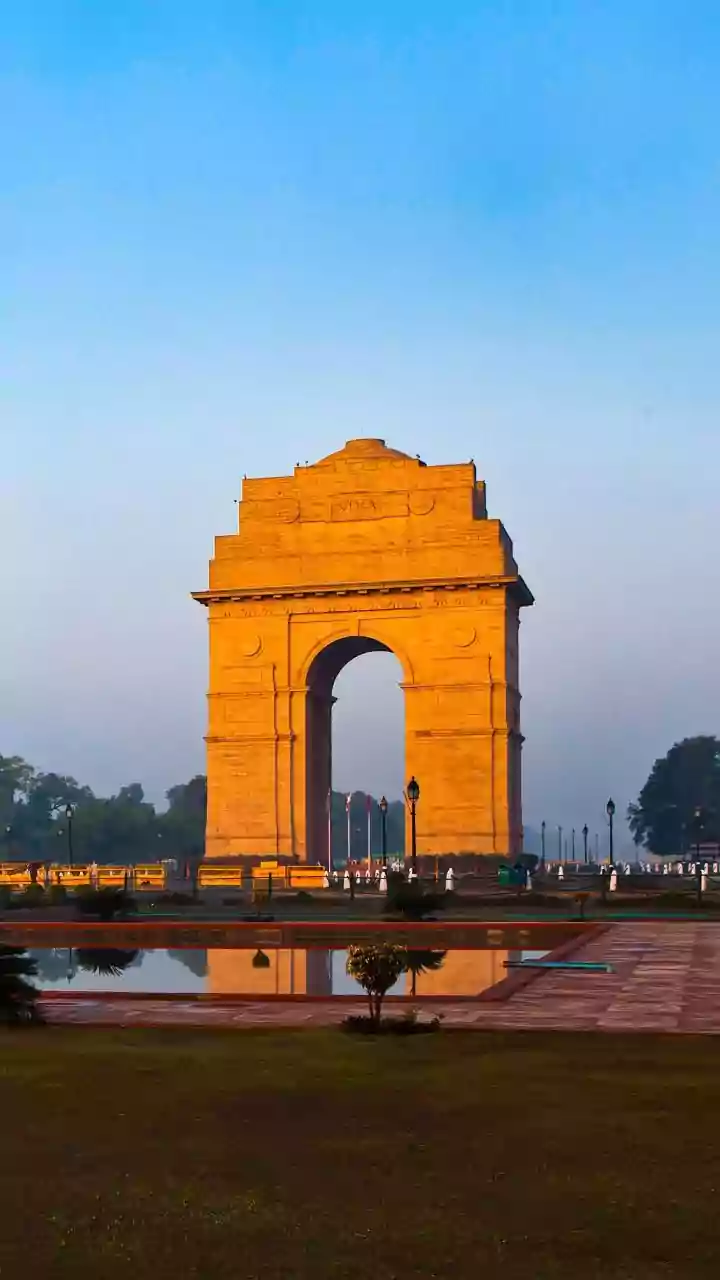

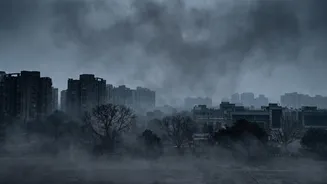
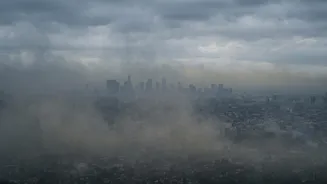

Ever notice how a crisp, cold winter morning in the city often comes with a thick, grey haze that seems to hang in the air? This isn't your imagination. A specific atmospheric phenomenon is at play, creating a lid over our cities.
The Atmosphere's Invisible Lid
Normally, the air closest
to the ground is warmer than the air above it. This warm air rises, carrying pollutants from traffic and industry upwards and away from where we breathe. This process of atmospheric convection acts as a natural ventilation system. However, on cold, clear, and calm nights, this pattern flips. The ground cools rapidly, chilling the air directly above it. This results in a layer of cold, dense air being trapped near the surface by a warmer layer of air above it. This phenomenon is called a temperature inversion, and it acts like an invisible lid, stopping the normal vertical mixing of air and setting the stage for a pollution pile-up.
What is This Trapped 'Gunk'?
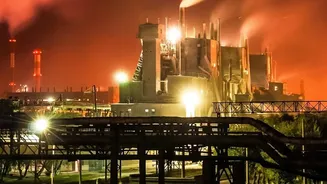
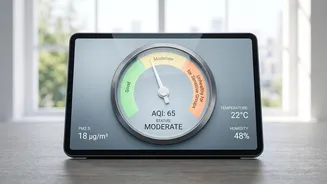
The haze we see is largely made of microscopic particulate matter, or PM. These are tiny solid particles and liquid droplets suspended in the air. They are classified by size, with the most concerning for health being PM10 (particles 10 micrometres or smaller) and PM2.5 (2.5 micrometres or smaller). To put that in perspective, a single human hair is about 70 micrometres thick—30 times wider than the largest PM2.5 particle. In Indian cities, these particles come from a mix of sources: vehicle exhaust, dust from construction sites, industrial emissions, and smoke from residential heating and regional crop burning.
A Pollution Trap at Breathing Height
When a temperature inversion forms, this constant stream of particulate matter has nowhere to go. The cold, heavy air near the ground, laden with fresh emissions from morning traffic and other activities, is unable to rise through the warm air layer above. Instead of dispersing, the pollutants become concentrated in this shallow layer of stagnant air right where we live and breathe. The lack of wind during these inversion events makes the situation worse, allowing these harmful particles to accumulate to dangerous levels throughout the day. The lower the inversion 'lid' sits, the smaller the volume of air for pollutants to mix in, causing their concentration to skyrocket.
Why Cities Are Especially Vulnerable
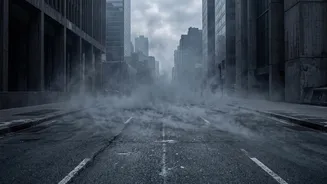
Urban landscapes can intensify the effects of a temperature inversion. Materials like concrete and asphalt, which make up our roads and buildings, retain heat but also cool down quickly at night, contributing to the formation of the cold surface air layer. This phenomenon, known as the urban heat island effect, can become an 'urban cool island' effect at the surface level on winter nights, exacerbating the temperature difference that fuels an inversion. Furthermore, the 'canyons' created by tall buildings can trap air, preventing it from mixing and allowing pollutants to build up even more. This combination of atmospheric conditions and urban geography creates a perfect storm for poor air quality.
The Impact on Our Health
The consequence of breathing this concentrated soup of particulate matter is significant. Because PM2.5 particles are so fine, they can bypass the body's natural defenses, travelling deep into the lungs and even entering the bloodstream. Exposure to high levels of particulate pollution is linked to a range of serious health problems. These include respiratory issues like aggravated asthma and decreased lung function, as well as cardiovascular problems such as heart attacks and irregular heartbeats. Longterm exposure is associated with chronic conditions and can increase the risk of premature death in people with heart or lung disease.