
An Off-Season No More
For years, the Indian travel calendar was predictable: mountains in the summer, beaches in the winter, and a quiet pause for the monsoon. That pattern is rapidly changing. Recent travel data shows a significant shift, with the rainy season becoming a preferred
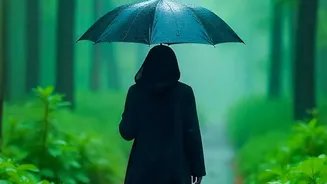
time for holidays. According to a report by Cleartrip, hotel bookings during the monsoon have surged by nearly 54% year-on-year. The surprising epicentre of this boom is Northeast India. States like Nagaland and Arunachal Pradesh have seen flight bookings increase by 62% and hotel bookings climb by a staggering 90%. This isn't just a fleeting trend; it’s a fundamental change in how travellers perceive the rains, viewing them not as an inconvenience but as an immersive experience.
The Allure of a Rain-Washed World
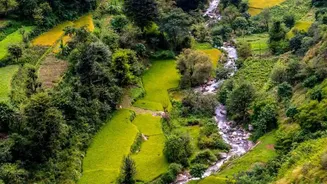
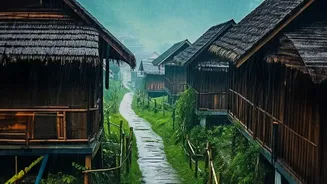
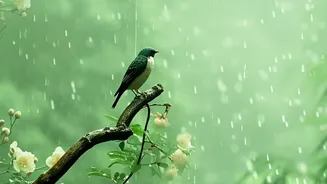
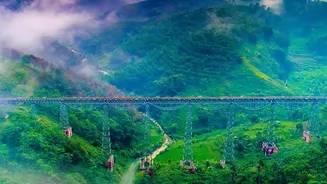
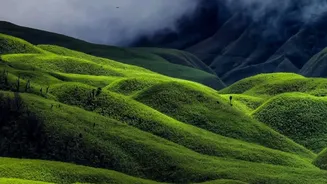
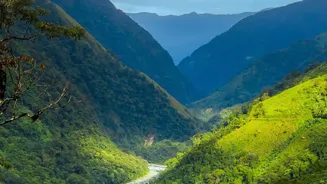
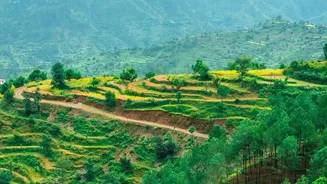
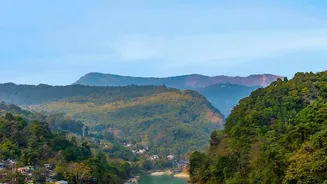
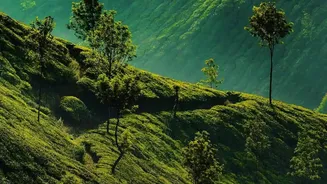
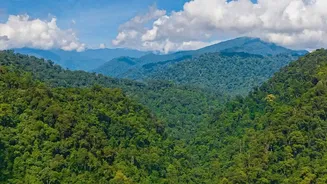
So, what’s drawing people to the region during its wettest months? The answer is simple: the Northeast is a rare destination that is beautiful because of the rain, not despite it. The monsoon transforms the landscape into a lush, vibrant paradise. Mountains and valleys are draped in countless shades of green, waterfalls like Nohkalikai and the Seven Sisters Falls swell to their most powerful and majestic forms, and the weather remains cool and pleasant, a welcome escape from the heat in other parts of the country. This shift is also driven by a desire for more authentic and less crowded travel. The off-season perks include budget-friendly prices on flights and hotels, quieter tourist spots, and a more peaceful atmosphere. Travellers are increasingly seeking nature-focused holidays, and the rain-washed hills of the Northeast offer a perfect, serene backdrop.
Meghalaya: In the Abode of the Clouds
Meghalaya, whose name literally means “Abode of Clouds,” is the heartland of India’s monsoon tourism. Home to Cherrapunji and Mawsynram, two of the wettest places on Earth, the state comes alive during the rains. Driving from Shillong to Cherrapunji is an adventure in itself, with mist-covered valleys and dramatic landscapes that change by the hour. The iconic living root bridges, especially the double-decker bridge in Nongriat, become even more mystical amidst the verdant foliage. While the famous transparent waters of the Umngot River in Dawki might be less clear, the surrounding greenery makes for a breathtaking sight. Key attractions like Elephant Falls and the limestone Mawsmai Cave offer a powerful, raw experience of nature shaped by water.
Sikkim and Beyond: Verdant Vistas
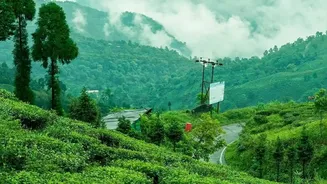
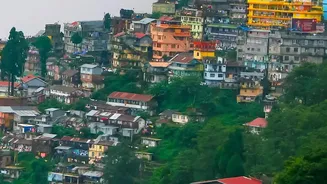
While Meghalaya is a prime draw, other states are also gaining popularity. In Sikkim, the monsoon brings blooming wild orchids and transforms towns like Pelling, Ravangla, and the capital, Gangtok, into misty havens. While heavy rains can make North Sikkim and high-altitude passes like Nathula Pass challenging due to landslides, the southern and western parts of the state are generally safe and incredibly scenic. The season offers a chance to experience local festivals like Drukpa Tshechi or Tendong Lho Rum Faat. Meanwhile, Assam is rebranding the monsoon experience with events like the Nagaon Monsoon Fest, a cultural celebration of rain through music, food, and art, which reimagines the season as a time of resilience and community.
A Practical Guide to Your Monsoon Trip
A monsoon trip to the Northeast requires some planning. Road conditions can be challenging, with a risk of landslides in hilly areas, so it's wise to build extra days into your itinerary and stay updated on local conditions. While some remote areas may have patchy internet, major hubs like Shillong and Gangtok are well-connected. Packing is key: waterproof jackets, quick-drying clothes, and sturdy, non-slip footwear are essential. For those planning treks, leech socks are a good idea. It's also recommended to book accommodations in advance, as the growing popularity means hotels in prime locations can fill up quickly. Despite these considerations, the rewards are immense—a chance to see a region at its most dramatic and beautiful, without the peak-season crowds.