








Why Starting Small Is a Big Deal
The all-or-nothing approach to fitness is a common trap. You start with immense motivation, planning hour-long workouts every day, but life inevitably gets in the way. A busy week or a dip in energy can make you miss a session, which leads to feelings
of failure and, often, quitting altogether. The solution is counter-intuitive: start ridiculously small. The goal of a 10-minute workout isn't to transform your body overnight; it's to build the habit of showing up. Psychology shows that small, achievable goals create a pattern of success. Each time you complete a 10-minute session, you cast a vote for yourself as 'a person who exercises'. This builds belief and momentum, making the behaviour more automatic over time. It lowers the barrier to entry so much that it's almost harder to say no than to just do it.
The Underrated Power of 10 Minutes
It’s easy to dismiss a 10-minute workout as 'not enough', but science suggests otherwise. Research has shown that short bursts of activity can provide significant health benefits, especially when done consistently. Just 10 minutes of moderate-intensity exercise per day can improve cardiovascular health, help regulate blood sugar, lower blood pressure, and boost your mood by releasing endorphins. If you use high-intensity interval training (HIIT), some studies show you can get similar cardiovascular benefits in 10 minutes as you would in a longer, moderate-intensity session. The point isn't to push for maximum effort but to make movement a non-negotiable part of your day. It’s a way to tell your body and mind that activity is a priority, even on the busiest of days.
Designing Your 10-Minute Routine
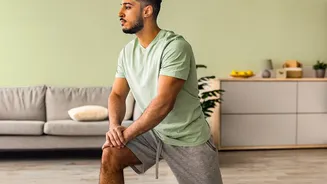
The best 10-minute workout is the one you'll actually do. It doesn't require a gym membership or fancy equipment. The key is to focus on compound movements that engage multiple muscle groups to maximize efficiency. You can rotate your focus each day to ensure you're working your whole body over the course of a week—chest one day, legs the next, and so on. A simple routine could include: A two-minute warm-up of light jogging in place and arm swings. Then, perform a circuit of bodyweight exercises for the next seven minutes, such as squats, push-ups (on knees or toes), lunges, planks, and jumping jacks. Spend the final minute on a cool-down stretch. The structure is less important than the action. You could also simply go for a brisk 10-minute walk, do a quick yoga flow, or dance in your living room.
From 10 Minutes to a Lifelong Habit
Once your 10-minute routine feels automatic—research suggests this can take anywhere from a few weeks to several months—you can begin to build on it. The key is to progress gradually. Don't jump from 10 minutes to an hour overnight. First, try increasing your sessions to 15 minutes. Once that feels comfortable, move to 20. You can also increase the intensity of your existing 10-minute workouts by adding more challenging exercises or reducing rest times. Another strategy is 'habit stacking'. Attach your 10-minute workout to an existing, solid habit. For example: 'After I brush my teeth in the morning, I will do my 10-minute workout'. This uses an established routine as a trigger for the new one, making it easier to remember and execute without relying on willpower.