






A Sip of History from the Fields of Punjab
Lassi's story begins in the fertile plains of Punjab, with roots stretching back to at least 1000 BC. Born from necessity and ingenuity in a pre-refrigeration world, it was a practical way for farming communities to use surplus yogurt and stay hydrated
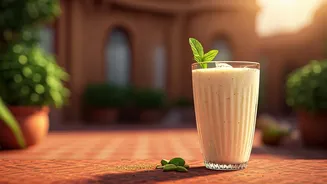
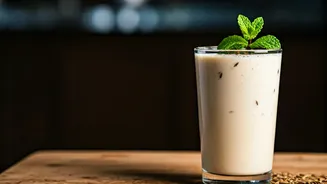
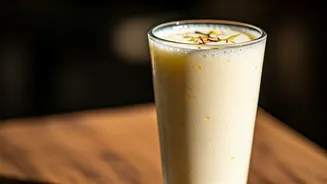
under the scorching sun. Traditionally, it was a simple, savoury blend of 'dahi' (curd) and water, often spiced with roasted cumin and salt. This humble drink, sometimes called "the air conditioner of Punjab," became deeply woven into the fabric of daily life and a symbol of the region's rich dairy culture. Served in earthy clay cups called 'kulhars' to keep it naturally cool, it was a staple from the farmer's lunch to a sign of hospitality offered to respected guests.
The Ayurvedic Science of Cool
The enduring appeal of lassi is not just about taste; it is deeply connected to ancient Indian wisdom. Ayurvedic principles have long praised lassi for its health-giving properties. Classified as a 'satvik' food, it is believed to promote harmony and balance in the body. The probiotics in the yogurt base are known to aid digestion, soothe the stomach, and promote a healthy gut microbiome, which in turn boosts immunity. Traditional Ayurvedic texts describe a similar drink called 'takra' for its ability to cool the body, balance the three 'doshas' (elemental forces), and strengthen digestive fire, or 'agni'. Modern science confirms many of these benefits, recognizing lassi for its rich content of calcium, protein, and essential vitamins that help in hydration and provide an energy boost.
A Tour of India in a Glass
While its heartland is Punjab, lassi has journeyed across India, adapting to local tastes and climates. The fundamental recipe of yogurt and water serves as a canvas for incredible diversity. In North India, you'll find the classic sweet 'meethi lassi', often fragrant with rosewater or cardamom, and its savoury counterpart, 'namkeen lassi'. The city of Varanasi is famous for its thick lassi topped with a generous dollop of 'malai' (clotted cream) and rabri. Rajasthan offers rich saffron-infused versions, while in Haryana, a thinner, saltier version called 'chaach' is a daily staple. Travel further south, and the drink transforms into 'neer mor' in Tamil Nadu, a spiced buttermilk tempered with curry leaves and mustard seeds. Each variation tells a story of the region's ingredients and culture.
From Tradition to Modern Trend
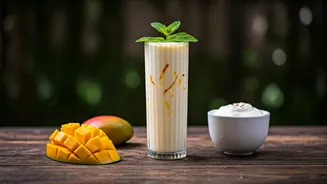
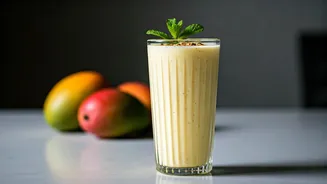
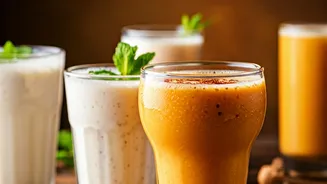
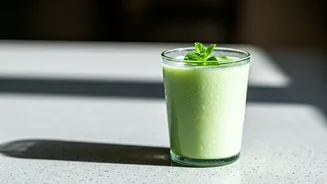
Today, lassi is more than just a traditional beverage; it has evolved into a global phenomenon. The 'mango lassi' is perhaps its most famous modern iteration, a staple in Indian restaurants worldwide. But the creativity doesn't stop there. Cafes and restaurants now offer a dizzying array of flavours, from strawberry and banana to more adventurous combinations with ginger or even chocolate. The drink even holds a place in cultural festivals, most notably the 'bhang lassi', a cannabis-infused version traditionally consumed during Holi. Despite these modern twists, the essence of lassi remains unchanged: a versatile, refreshing, and deeply satisfying drink that connects the past with the present.