


What Is Functional Fitness?
Functional fitness involves exercises that train your muscles to work together, mimicking the movements you perform in daily life. Think about squatting to pick up a box, carrying shopping bags, or pushing a heavy door. Instead of isolating one muscle at a time,
like with a bicep curl, functional training focuses on multi-joint, multi-muscle movements. This approach originated in physical therapy to help rehabilitate patients but has since become a popular way for everyone to build practical, usable strength. The goal is to make everyday activities easier and reduce the risk of injury.
The Core Movements of Life
Our daily activities can be broken down into a few fundamental movement patterns. Functional training builds strength around these patterns to improve your overall physical capability. The most common patterns include pushing, pulling, squatting, hinging, lunging, and carrying. By training these movements, you’re not just getting stronger in the gym; you're building a body that's more resilient and capable of handling whatever life throws at it, from gardening to playing with your children. This method improves muscle memory, balance, and coordination for daily tasks.
Lifting and Carrying with Confidence
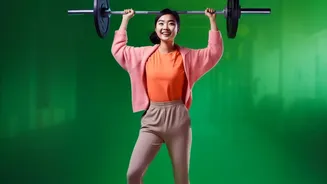
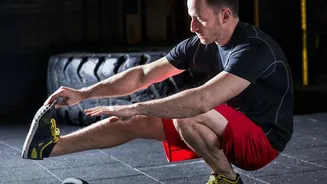
Two of the most common real-world tasks are lifting objects off the floor and carrying them. Exercises like squats and deadlifts directly translate to safely picking up a heavy suitcase or even a toddler. The squat, for instance, strengthens the muscles you use every time you sit down and stand up. Meanwhile, an exercise called the farmer's carry, which involves walking while holding weights in each hand, is a direct simulation of carrying heavy groceries from the car into your house. Mastering these movements builds lower body and core strength, protecting your back from strain.
Pushing and Pulling Power
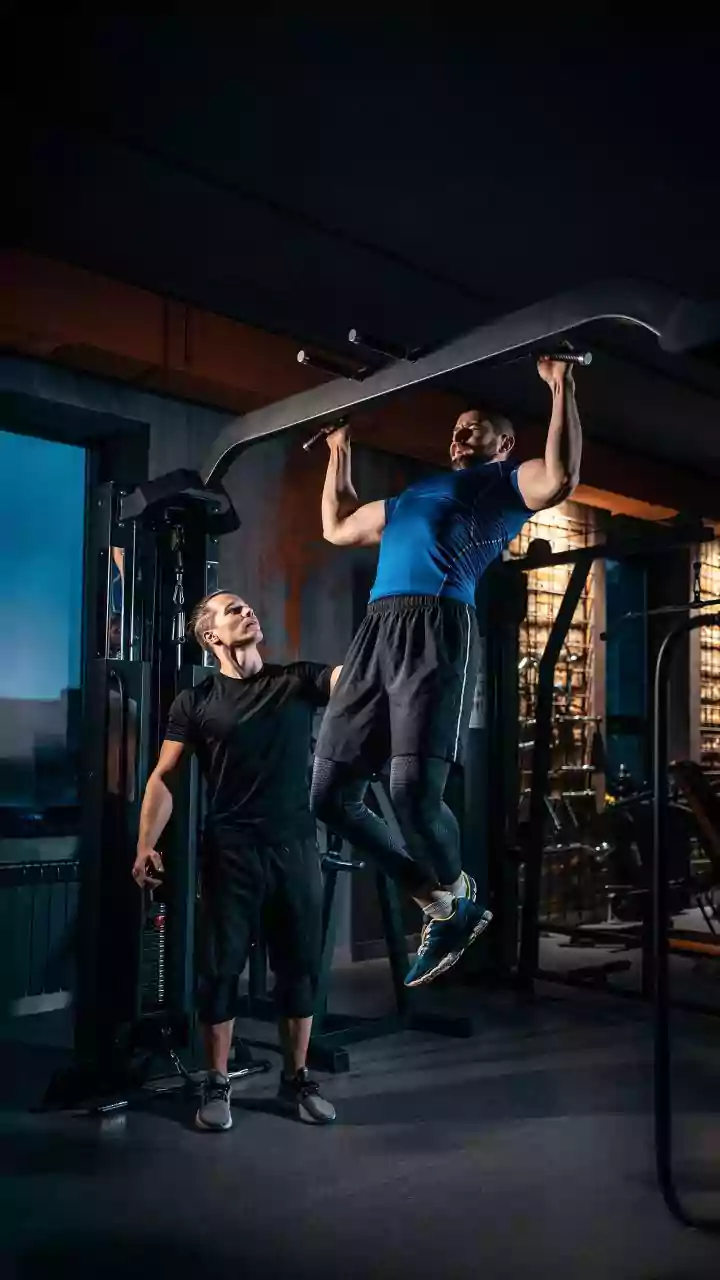
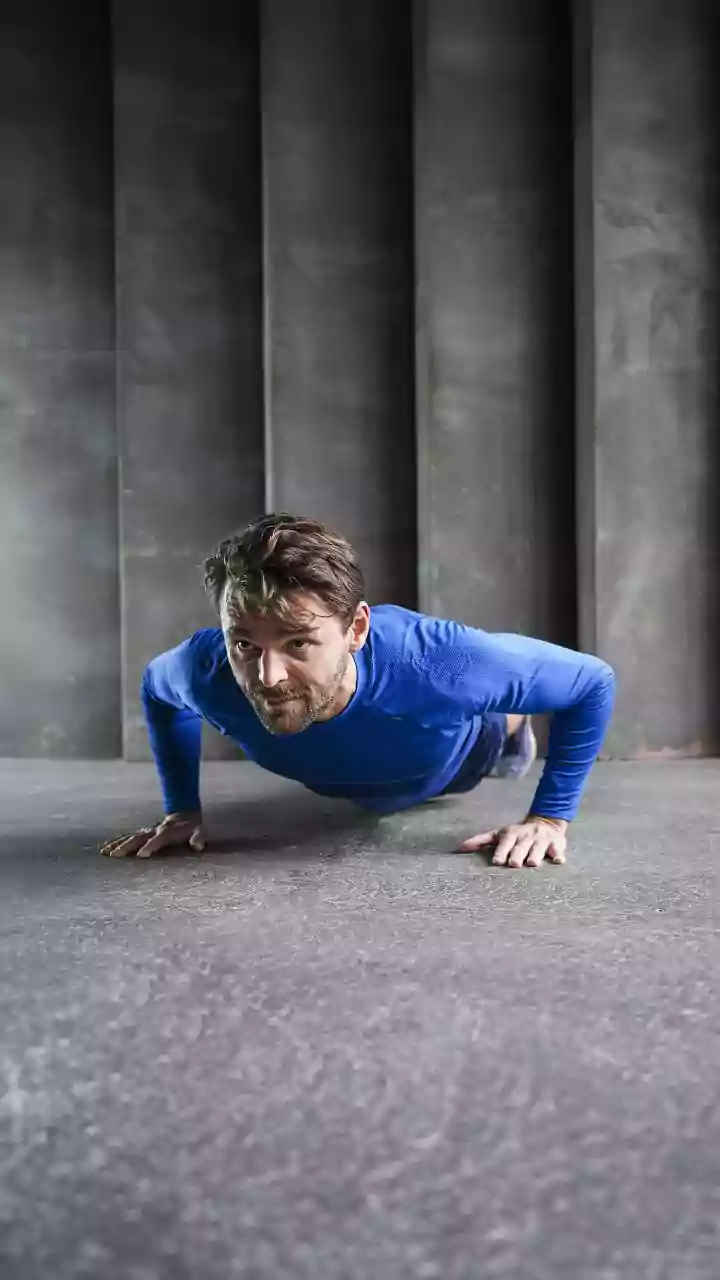
From pushing a lawnmower to pulling open a heavy door, push-and-pull movements are everywhere. In the gym, these actions are mirrored by exercises like the chest press and rows. A simple push-up strengthens the same muscles you use to push a trolley or get up from the floor. A rowing exercise, whether done with dumbbells, resistance bands, or a machine, builds the back strength needed for pulling things toward you. These exercises create a balanced upper body, which is crucial for good posture and preventing shoulder injuries.
Building Stability and Balance
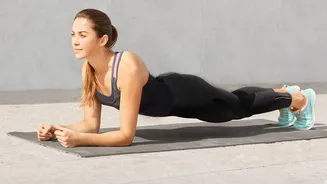
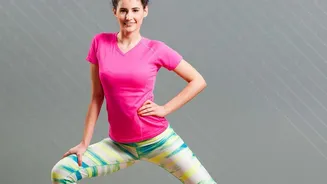
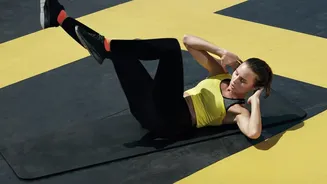
As we get older, maintaining balance and stability becomes increasingly important for preventing falls and staying independent. Functional training is excellent for this, as it often involves exercises that challenge your core and coordination. Movements like lunges and step-ups improve single-leg strength and stability, crucial for climbing stairs or simply walking on uneven ground. Even simple planks are a fantastic functional exercise, as they teach you to brace your core, which helps protect your spine during almost any activity. A strong, stable core is the foundation for all powerful and safe movement.