


Why Separation is a Non-Negotiable First Step
Many common household cleaners contain chemicals that can be harmful, or even toxic, to pets. Ingredients like ammonia, bleach (sodium hypochlorite), chlorine, and phenols are found in everything from glass cleaners to toilet bowl disinfectants. When
pets walk across a freshly mopped floor, they can get these chemicals on their paws and later ingest them while grooming. Fumes can also irritate their sensitive respiratory systems. Symptoms of exposure can range from skin irritation and drooling to more severe issues like vomiting, lethargy, or even organ damage. Creating a physical barrier by securing your pet in a separate space is the most effective way to prevent accidental exposure and ensure they don't get underfoot, which can cause stress for both you and your animal.
Create a Comfortable 'Safe Zone'
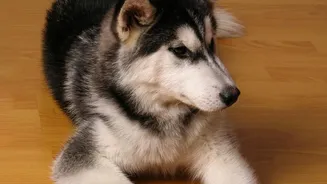
Your pet’s temporary sanctuary should be a place they feel secure and comfortable, not punished. Choose a room that will not be cleaned during that session, such as a bedroom or a laundry room. Close the door securely to prevent any escapes. Make the space inviting by providing their bed, fresh water, a few favourite toys, and perhaps a puzzle feeder or a long-lasting chew to keep them occupied. For some pets, a familiar crate within a quiet room is the best option. This separation not only protects them from chemicals but also minimises the stress and anxiety that the noise of a vacuum cleaner or the presence of new people (like a cleaning service) can cause.
Choose Your Cleaning Arsenal Wisely
Reading labels is crucial. Actively avoid products containing ammonia, chlorine, bleach, phenols, and quaternary ammonium compounds (often listed as benzalkonium chloride). Many brands now offer plant-based, non-toxic cleaners specifically marketed as pet-safe. However, you can also create effective cleaners with ingredients you already have. A simple solution of one part vinegar to four parts water in a spray bottle works as an excellent all-purpose cleaner. Baking soda is fantastic for deodorising carpets and soft surfaces, while a paste of baking soda and water can tackle tougher grime. For disinfecting, a very dilute solution of hydrogen peroxide can be an option for some surfaces, but always use it with caution, especially around cats, as it can be harmful if ingested.
Execute the Cleaning Routine Safely
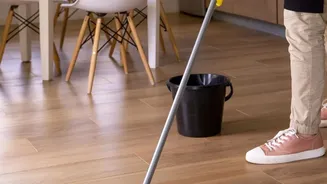
With your pet safely tucked away, you can begin cleaning. Start by opening windows to ensure good ventilation, which helps dissipate any fumes, even from natural cleaners. Work on one area of the house at a time. When mopping floors or cleaning other surfaces, it is vital to let them dry completely before allowing your pet back into the area. This prevents them from walking through any residual product. Pay close attention to rinsing surfaces after cleaning. A quick wipe-down with a clean, damp cloth can remove any remaining residue. Once you are finished, store all cleaning products, including sponges and buckets, in a secure cabinet that pets cannot access.
The Post-Cleaning Reunion
Before you release your pet from their safe zone, do a final check of the cleaned areas. Make sure floors are dry, surfaces are rinsed, and the air is fresh. Dispose of any used paper towels and store your cleaning tools. Then, open the door and welcome your pet back into the sparkling space. This clear boundary between 'cleaning time' and 'family time' establishes a routine that is safe, predictable, and stress-free. By taking these deliberate steps, you are not just cleaning your home; you are actively protecting a beloved member of your family.