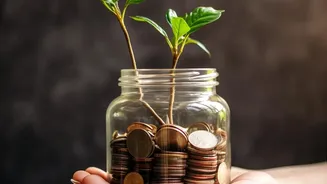








The Power of Starting Small
The core challenge of saving isn't always a lack of income; it's the mental hurdle of getting started. Our brains are often wired for instant gratification, making it difficult to prioritize a distant future benefit over a present desire. This is where
the magic of micro-habits comes in. Committing to save a large sum every month can feel overwhelming, leading to procrastination. However, setting aside a small, manageable amount—say, the cost of your daily chai or coffee—feels almost effortless. Financial experts agree that starting small and being consistent is more effective than waiting for a large surplus to begin saving. This approach transforms saving from a stressful chore into a simple, repeatable daily action, building a powerful habit over time.
Automate Your Discipline with Technology
The single most effective way to ensure your small savings add up is to automate them. Relying on manual transfers means you have to make a conscious decision to save every single day, leaving room for forgetfulness or temptation. India's digital payment ecosystem makes this incredibly easy. Features like UPI AutoPay allow you to set up recurring daily mandates for small amounts. You can instruct your bank or UPI app to automatically transfer a fixed amount, from as little as ₹50 or ₹100, from your primary account to a separate savings account each day. Once set up, this 'set it and forget it' system works quietly in the background, building your fund without any further effort from you. This removes willpower from the equation and turns financial discipline into an automated process.
How Much Is Enough for an Emergency?
An emergency fund is your financial safety net against life's unexpected turns, like a medical issue, job loss, or urgent repairs. The primary goal is to cover essential living expenses without needing to take on high-interest debt or liquidate long-term investments. Financial planners in India generally recommend a fund that covers three to six months' worth of essential expenses. To calculate your target, add up your non-negotiable monthly costs: rent or EMI, groceries, utility bills, insurance premiums, and transportation. For those in less stable jobs or who are the sole earner in the family, aiming for a nine-to-twelve-month cushion provides an even stronger buffer. Remember, this is a fund for true emergencies, not for discretionary spending.
Choosing the Right Place for Your Fund
The key characteristics of an emergency fund are safety and liquidity—meaning you can access the money quickly when you need it. High returns are not the priority. A separate, high-interest savings account is an excellent starting point. This separation is crucial to avoid accidentally spending the money on non-essential items. As your fund grows, you can consider a tiered approach. Keep one to two months of expenses in a highly liquid savings account for immediate access. The remainder can be placed in slightly higher-earning but still accessible options like sweep-in fixed deposits or liquid mutual funds, which can offer better returns than a standard savings account without a long lock-in period.
From Emergency Savings to Wealth Building
Mastering the habit of small, automated daily savings does more than just build an emergency fund; it creates the foundation for all future financial goals. Once you have reached your emergency fund target, you don't have to stop. The same automated transfer that built your safety net can be redirected towards long-term wealth creation. You can channel the daily amount into a Systematic Investment Plan (SIP) for mutual funds, allowing you to start your investment journey with the same discipline. This simple, powerful habit of paying yourself first, automated through technology, is one of the most effective strategies for building lasting financial security and independence early in your career.